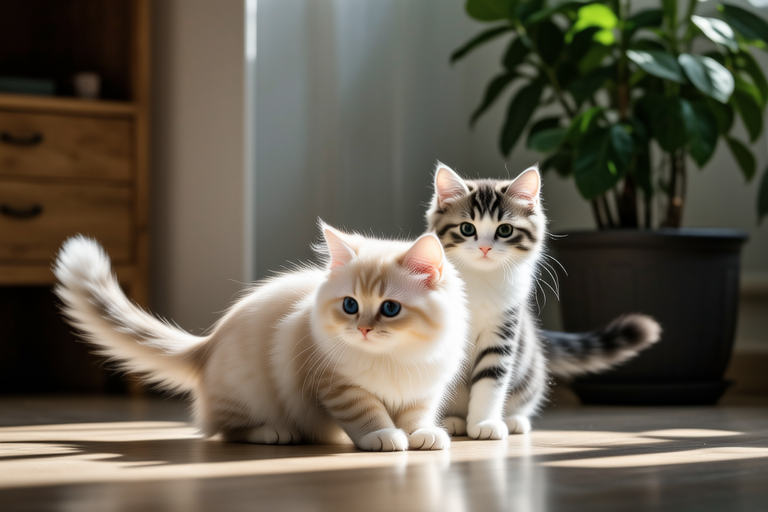
Adorable Munchkins: The Cat with Unique Short Legs
Welcome to the enchanting world of Munchkin cats! These adorable felines are known for their unique short legs, which have made them a popular and intriguing breed among cat lovers. In this article, we’ll explore the distinctive features, temperament, and care requirements of Munchkin cats, along with their historical background, common health concerns, and how these traits affect their lifestyle and interaction with humans.
A Brief History of Munchkin Cats
The history of Munchkin cats is quite fascinating. They were first discovered in the United States in the late 1980s when a Louisiana woman found a pregnant stray cat with unusually short legs. One of her kittens inherited the same trait. This discovery led to the development of the Munchkin breed. Over time, breeders carefully selected for this unique trait, and today, Munchkin cats are recognized by several cat registries around the world.
Distinctive Features
Munchkin cats are most easily identified by their disproportionately short legs, which give them a distinctively low-slung appearance. Despite their short stature, they possess a well-proportioned body, with a muscular build that belies their playful and agile nature. Their head shape can vary, but it’s typically rounded, complemented by large, expressive eyes and medium-sized ears. Munchkins come in a wide variety of coat colors and patterns, making each individual unique.
Temperament
One of the most endearing qualities of Munchkin cats is their delightful and affectionate temperament. They are known for their friendly and social behavior, often seeking out human companionship and interaction. Munchkins are generally playful and curious, enjoying interactive toys and games. However, despite their short legs, they are surprisingly athletic and can leap to impressive heights. This combination of agility and playfulness makes them excellent companions for families with children or other pets.
Reasons for Short Legs
The reason behind Munchkin cats’ short legs is a genetic mutation known as hypochondroplasia. This condition affects the growth plates in the long bones of the legs, causing them to stop growing prematurely. While this mutation is responsible for the breed’s signature feature, it also raises some concerns regarding potential health issues. It’s important for prospective owners to be aware of these risks and take appropriate measures to ensure the health and well-being of their Munchkin companions.
Common Health Concerns
While Munchkin cats are generally healthy, their unique physical characteristics can predispose them to certain health issues. One of the primary concerns is spinal problems, such as lordosis (swayback) and pectus excavatum (funnel chest). These conditions can result from the stress placed on the spine due to their short legs and elongated bodies. Regular veterinary check-ups are crucial for early detection and management of these issues.
Another concern is the possibility of joint issues, including arthritis. The shorter leg length may place additional strain on joints, particularly as the cat ages. Providing a soft, supportive bed and maintaining a healthy weight can help minimize the risk of joint problems. Additionally, Munchkin cats are prone to respiratory issues, especially if they have flat faces or short noses. Ensuring proper ventilation and avoiding exposure to dusty environments can help reduce the risk of respiratory complications.
Lifestyle and Interaction with Humans
Munchkin cats adapt well to various living environments, whether in urban apartments or rural homes. Their short legs make them less adept at climbing than many other cat breeds, so they tend to enjoy activities that don’t require high jumps or perches. This doesn’t mean they’re inactive; Munchkin cats are still energetic and playful, often engaging in ground-level games and chasing after toys. They are highly social animals and thrive in households where they receive plenty of attention and interaction.
When it comes to interacting with humans, Munchkin cats are typically very affectionate and enjoy being petted, brushed, and held. They often form strong bonds with their owners and can be quite vocal, communicating their needs and desires through chirps, meows, and purrs. Their friendly demeanor makes them excellent companions for people of all ages, including elderly individuals and families with young children.
Comparisons with Other Cat Breeds
Compared to other cat breeds, Munchkin cats stand out for their unique physical characteristic of short legs. However, they share many similarities with other domestic shorthair and longhair breeds in terms of temperament and care requirements. For instance, like many other cat breeds, Munchkin cats require regular grooming to keep their coats healthy and free from mats. They also benefit from a balanced diet and routine veterinary care.
One notable difference between Munchkin cats and other breeds is their activity level. While some cat breeds are more sedentary, Munchkin cats are generally more active and playful. This makes them ideal for households where there are children or other pets that can engage in playtime. However, their short legs mean they may need more encouragement to climb and jump, so providing ramps or tunnels can help them explore their environment safely.
Tips for Potential Owners
If you’re considering adopting a Munchkin cat, here are some tips to help you provide the best care for your new companion:
- Provide a Safe Environment: Ensure your home is safe for a Munchkin cat by removing any hazards, such as sharp objects or small spaces they might get stuck in. Consider installing ramps or stairs to help them access higher areas.
- Regular Veterinary Care: Schedule routine check-ups with a veterinarian who is familiar with the breed. Early detection and management of potential health issues can greatly improve your Munchkin’s quality of life.
- Interactive Play: Encourage your Munchkin to stay active and engaged with interactive toys and games. This helps maintain their physical fitness and mental stimulation.
- Healthy Diet: Feed your Munchkin a balanced diet that meets their nutritional needs. Consult with your veterinarian to determine the appropriate portion sizes and types of food for your cat.
- Love and Affection: Spend quality time with your Munchkin, offering plenty of love, attention, and affection. This will help strengthen your bond and ensure your cat feels secure and happy.
Conclusion
Munchkin cats are truly one-of-a-kind feline companions, with their distinctive short legs, charming personalities, and unique lifestyle requirements. By understanding their history, health concerns, and care needs, potential owners can provide a loving and supportive environment for these delightful creatures. Whether you’re an experienced cat owner or new to the world of feline companionship, a Munchkin cat can bring joy, companionship, and endless entertainment into your life.
