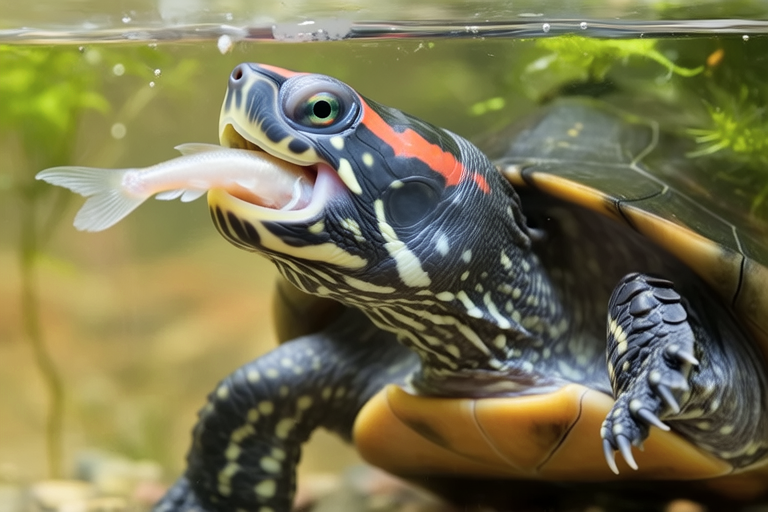
Feeding Your Red-Eared Slider the Right Way
Introduction: Proper nutrition is fundamental to the well-being of your red-eared slider. Just like humans, these aquatic turtles require a balanced diet to thrive. A diet lacking in essential nutrients can lead to various health issues, including shell deformities, weakened immune systems, and even shortened lifespans. Ensuring your pet turtle gets the right amount of proteins, vegetables, and calcium is crucial. This guide will walk you through the steps necessary to feed your red-eared slider correctly, helping you provide them with a healthy and fulfilling diet.
Nutritional Needs
Your red-eared slider’s diet should be rich in proteins, vegetables, and calcium. Proteins are vital for muscle development and overall growth, while vegetables offer vitamins and minerals that promote good health. Calcium is particularly important for bone and shell strength. The balance between these components is key to preventing diseases and ensuring a long, healthy life.
Proteins
Proteins are essential for growth and repair. Younger turtles need more protein than adults. Suitable protein sources include insects (crickets, mealworms), earthworms, and commercially available turtle pellets. Be cautious with live prey, as they might carry parasites.
Vegetables
Vegetables provide essential vitamins and minerals. Leafy greens like kale, collard greens, and dandelion leaves are excellent choices. Avoid iceberg lettuce as it has minimal nutritional value. Other suitable vegetables include squash, green beans, and carrots. Always wash vegetables thoroughly before feeding.
Calcium
Calcium is crucial for strong bones and shells. It can be provided through calcium-rich vegetables and supplements. Commercially available calcium powders can be sprinkled onto food. Ensure the calcium supplement does not contain vitamin D3 unless prescribed by a veterinarian, as excess vitamin D3 can be harmful.
Preparing Food
Proper preparation ensures your turtle gets the most out of their meals. Wash all vegetables under running water to remove any dirt or pesticides. Chop them into bite-sized pieces, taking care not to make them too small, as this could lead to choking hazards. For protein sources, ensure they are fresh and free from contaminants.
Portion Control and Feeding Frequency
Overfeeding can lead to obesity, while underfeeding can result in malnutrition. Feed young turtles daily, gradually reducing to every other day as they mature. An adult red-eared slider should be fed every two to three days. Portion sizes should be small enough to be consumed within 15 minutes. Overfeeding can cause floating debris in the tank, leading to water quality issues.
Suitable Diets: Commercial vs. Homemade
Commercial turtle foods are convenient and formulated to meet basic nutritional requirements. However, a varied diet is ideal. Homemade diets can include a mix of vegetables, proteins, and calcium supplements. If opting for homemade, consult a veterinarian to ensure the diet meets all nutritional needs. Always introduce new foods gradually to monitor for any adverse reactions.
The Importance of a Varied Diet
A varied diet ensures your turtle receives all necessary nutrients. Lack of variety can lead to deficiencies, affecting growth and health. Introduce different types of vegetables and proteins regularly. A diverse diet also keeps meals interesting, potentially reducing picky eating habits.
Avoiding Overfeeding and Recognizing Signs of Malnutrition or Obesity
Observe your turtle’s behavior and physical condition. Signs of overfeeding include excessive weight gain, lethargy, and difficulty swimming. Malnutrition may manifest as shell deformities, listlessness, and poor appetite. Regular weigh-ins can help monitor your turtle’s weight and health.
Maintenance Tips
After feeding, promptly clean any uneaten food from the tank to maintain water quality. Use a siphon to remove debris and perform regular water changes. Ensure fresh, clean water is always available. Cleaning the feeding area prevents bacterial growth and keeps the environment hygienic.
Conclusion
Proper feeding is a cornerstone of red-eared slider care. By understanding and meeting their nutritional needs, you can significantly enhance their quality of life. Remember, consistency is key. Regularly observe your turtle’s behavior and health to adjust their diet if necessary. With the right approach, you can ensure your pet enjoys a long, healthy life.
