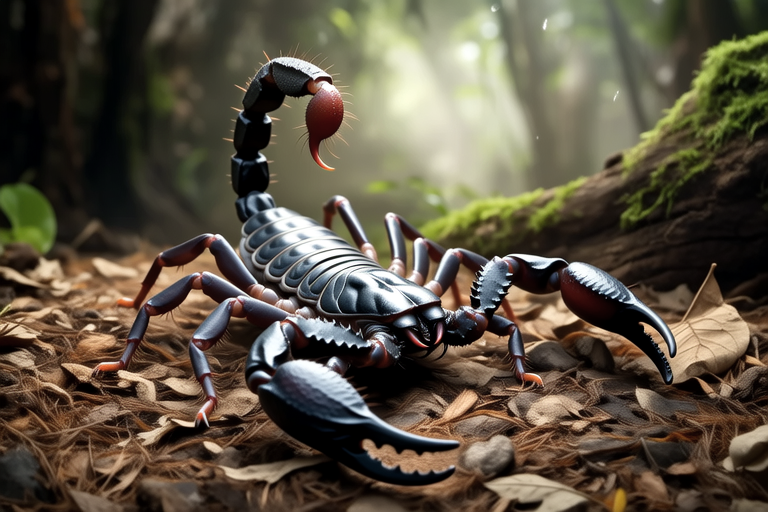
From Fear to Fascination: My Journey with the Heterometrus Spinifer Scorpion
Scorpions have long been misunderstood creatures, often associated with fear and danger. Growing up, I harbored a deep-seated dread of these arachnids, especially after hearing stories of their painful stings and aggressive nature. The Heterometrus spinifer, a species native to Southeast Asia, was particularly notorious in my mind. With its formidable size and menacing appearance, it seemed like an embodiment of everything scary about scorpions.
The first time I encountered one, it was at a local pet store. Its dark, segmented body and curved tail were intimidating, and the venomous sting only added to the fear. I remember feeling a mixture of curiosity and apprehension as I watched it slowly move across the glass enclosure. It was clear that I had a lot to learn about these creatures before I could overcome my fear.
Research and Education
Determined to understand the Heterometrus spinifer better, I delved into extensive research. I discovered that while they do possess venom, it’s generally not lethal to humans. Their venom serves primarily for hunting small insects and as a defense mechanism against predators. This revelation began to chip away at the misconceptions I held about scorpions.
I learned that the Heterometrus spinifer, also known as the Asian forest scorpion, thrives in tropical environments. They prefer humid conditions and can be found in forests, caves, and sometimes even in urban areas. Their diet consists mainly of insects, and they play a crucial role in controlling insect populations. Understanding their habitat and ecological significance helped me appreciate their place in nature.
Anecdotes of Interaction
As I became more knowledgeable, I decided to take the plunge and get my own Heterometrus spinifer. Handling them required patience and respect. The first time I gently picked up my scorpion, I felt a mix of nervousness and excitement. Its grip was surprisingly strong, but it didn’t try to sting me. Over time, I learned how to interact with it safely, always ensuring that I handled it with care and respect.
One memorable experience involved observing its hunting behavior. I placed a cricket in its enclosure, and within seconds, the scorpion pounced with remarkable precision. It used its powerful pincers to grasp the cricket and then injected venom to immobilize it. Watching this process unfold was both fascinating and humbling. It was a stark reminder of the intricate balance of life in the wild.
Care Tips for Pet Owners
For anyone considering keeping a Heterometrus spinifer as a pet, proper care is essential. These scorpions require a well-ventilated enclosure with plenty of hiding spots, such as cork bark or hollow logs. Maintaining a consistent temperature between 75°F and 85°F and a humidity level around 70% is crucial for their health. Feeding them once or twice a week with appropriately sized insects, such as crickets or mealworms, ensures they receive the nutrients they need.
It’s important to handle your scorpion carefully, using tongs or gloves to avoid stressing the animal. Regular cleaning of the enclosure and monitoring for signs of illness or distress are also vital aspects of responsible pet ownership. By providing a suitable environment and attentive care, you can ensure a healthy and happy scorpion companion.
Fascination Develops
Over time, my fear transformed into fascination. Each interaction with my Heterometrus spinifer revealed new insights into its behavior and biology. I marveled at its ability to navigate its environment using specialized sensory structures, such as its pectines and pedipalps. The intricate patterns on its exoskeleton and the way it molted to shed its old skin were equally captivating.
My fascination extended beyond just the individual scorpion to the broader world of arachnids. I joined online communities and attended workshops to connect with other enthusiasts. Sharing experiences and knowledge with fellow hobbyists deepened my appreciation for these creatures. I even started volunteering at a local zoo, where I assisted in caring for their collection of scorpions and educating visitors about their importance.
Reflections and Appreciation
Looking back, my journey from fear to fascination has been both enlightening and rewarding. What initially seemed like a terrifying creature has become a source of wonder and inspiration. I’ve come to realize that many of our fears stem from ignorance and lack of understanding. By seeking knowledge and embracing new experiences, we can overcome our fears and develop a deeper appreciation for the natural world.
Today, I am proud to call myself a scorpion enthusiast. I continue to learn and share what I know with others, hoping to inspire a similar transformation in those who might be afraid. Whether through personal anecdotes, educational talks, or simply offering advice to fellow pet owners, I strive to foster a greater appreciation for these remarkable creatures.
In conclusion, my journey with the Heterometrus spinifer has been a transformative experience. It has taught me valuable lessons about overcoming fears, the importance of education, and the joy of connecting with the natural world. I encourage everyone to approach unfamiliar creatures with an open mind and a willingness to learn. Who knows? You might just find yourself fascinated by something you once feared.
