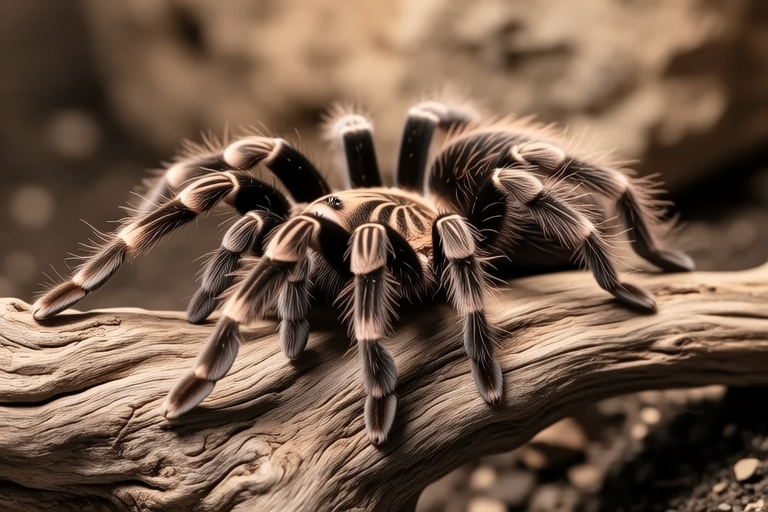
Top 10 Myths About Tarantulas Debunked: What Every Pet Owner Should Know
Tarantulas have become increasingly popular as exotic pets over the years, captivating many with their unique appearance and intriguing behaviors. These large spiders, belonging to the family Theraphosidae, are known for their hairy bodies and impressive size, which can range from a few centimeters to over 30 cm in leg span. Despite their intimidating reputation, tarantulas are generally docile and make fascinating companions for those willing to provide the right environment and care. This article aims to dispel some of the most common myths surrounding tarantulas and offer valuable insights for potential and current owners.
Myth 1: Tarantulas Are Aggressive and Dangerous
One of the most prevalent misconceptions about tarantulas is that they are aggressive and pose a significant danger to humans. In reality, most tarantula species are quite docile and prefer to avoid confrontation. While they possess venomous fangs, their bite is rarely harmful to humans. The venom is primarily used to subdue prey, and the potency varies among species. Handling a tarantula requires respect and care, but with proper technique, interactions can be safe and enjoyable.
Myth 2: All Tarantulas Can Shoot Hairs From Their Backs
This myth stems from the defensive behavior of some New World tarantulas, particularly those in the Avicularia genus. These tarantulas can indeed shoot barbed hairs from their abdomen when threatened. However, Old World tarantulas, which include many popular pet species like the Mexican redknee tarantula (Brachypelma smithi), do not possess this ability. Understanding the specific behaviors of your tarantula’s species is crucial for proper care.
Myth 3: Tarantulas Require Constant Feeding
Another misconception is that tarantulas need to eat frequently. In truth, these spiders have slow metabolisms and can go long periods without food. Most tarantulas will eat once every week or two, depending on their age, size, and species. Overfeeding can lead to health issues such as obesity, so it’s important to observe your pet’s eating habits and adjust feeding schedules accordingly.
Myth 4: Tarantulas Thrive in High Humidity Environments
While humidity is essential for maintaining the health of tarantulas, the level required depends on the species. Some tropical species, like the pinktoe tarantula (Avicularia avicularia), thrive in higher humidity environments, while others, such as the Chilean rose tarantula (Grammostola rosea), prefer drier conditions. Researching the specific needs of your tarantula’s species is vital to ensure its well-being.
Myth 5: Tarantulas Are Nocturnal Creatures
Many people assume that tarantulas are strictly nocturnal creatures. While it is true that most tarantulas are more active at night, they can also exhibit diurnal activity, especially in captivity where environmental factors are controlled. Observing your tarantula during different times of the day can reveal interesting behaviors and help you understand its routine better.
Myth 6: Tarantulas Need a Lot of Space
Contrary to popular belief, tarantulas do not require enormous enclosures. In fact, providing too much space can be detrimental, as it may lead to stress or difficulty in finding food. A suitable enclosure size for most adult tarantulas is around 5-10 gallons, depending on the species. The key is to offer a secure environment with appropriate hiding spots and climbing structures.
Myth 7: Tarantulas Are Dirty Pets
Tarantulas, much like other pets, require regular cleaning of their enclosures to maintain hygiene. However, their care is relatively simple compared to other animals. Regular substrate changes and spot cleaning can prevent any buildup of waste or mold. Proper ventilation and humidity control also contribute to a clean living environment for your tarantula.
Myth 8: Tarantulas Are Social Creatures
Tarantulas are solitary animals by nature and do not require companionship. Keeping multiple tarantulas together can lead to territorial disputes and even cannibalism. It’s best to house each tarantula individually to ensure their safety and well-being. Interaction with humans through gentle handling can provide the social stimulation they need.
Myth 9: Tarantulas Make Noisy Pets
Tarantulas are generally quiet pets, making them ideal for those who prefer low-maintenance companions. They do not produce sounds that would disturb neighbors or cause noise pollution in shared living spaces. Their quiet demeanor adds to their appeal as indoor pets.
Myth 10: Tarantulas Are Expensive to Maintain
Contrary to what some might believe, tarantulas are relatively inexpensive to keep. The initial investment includes purchasing a suitable enclosure, substrate, and heating equipment. Once established, the ongoing costs are minimal, consisting mainly of food and occasional supplies. This makes tarantulas an affordable choice for pet enthusiasts.
Tips for Potential Owners
- Habitat Setup: Provide a secure enclosure with appropriate dimensions, substrate, and hiding spots. Use a heat mat or under-tank heater to maintain a steady temperature, and ensure proper ventilation.
- Feeding: Offer live insects such as crickets, mealworms, or dubia roaches. Dust the food with calcium and vitamin supplements before feeding. Monitor your tarantula’s eating habits to avoid overfeeding.
- Handling: Approach handling with caution and respect. Use a long-handled tool to gently coax your tarantula onto your hand. Always support the spider’s body to prevent injury.
Why Tarantulas Can Be Rewarding Pets
Despite common misconceptions, tarantulas can be rewarding pets for those who are prepared to learn about their unique needs and behaviors. Their fascinating appearance and intriguing behaviors make them captivating companions. With the right care and attention, tarantulas can provide years of enjoyment and a deeper understanding of these remarkable creatures.
