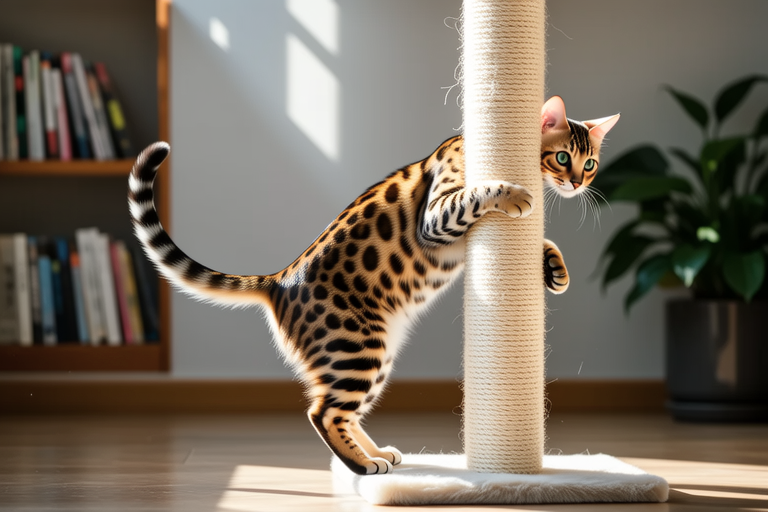
Living with a Bengal Cat: Tips from Expert Breeders
Bengal cats are a popular choice among cat enthusiasts due to their striking appearance and playful nature. However, they require special attention and care to thrive. This article provides comprehensive insights into living with a Bengal cat, offering tips on behavior, care, diet, exercise, grooming, and health from expert breeders.
Understanding Bengal Cat Behavior
Bengal cats are known for their high energy levels and curious nature. They are descendants of the Asian leopard cat and retain many of its traits. These felines are active, intelligent, and love to play. “Bengals are like toddlers,” says Sarah Johnson, a breeder with over two decades of experience. “They explore everything and need mental stimulation.”
These cats are highly social and bond closely with their owners. They enjoy interactive play and can be trained to perform tricks. “Positive reinforcement works best,” advises Mark Lee, another seasoned breeder. “Reward good behavior with treats and praise.”
Care Tips for Bengal Cats
Bengals are relatively easy to care for but have specific needs. Their diet must meet their nutritional requirements, and they need plenty of exercise and mental stimulation. Regular vet check-ups are crucial for early detection of any health issues.
“Consistency is key,” suggests Johnson. “Establish routines for feeding, playtime, and bedtime to help your Bengal feel secure.” Bengals are sensitive to changes in their environment, so gradual introductions are recommended when making alterations.
Dietary Needs of Bengal Cats
A balanced diet is essential for Bengal cats. High-quality commercial cat food or homemade meals tailored to their nutritional needs are ideal. “Look for foods rich in protein and low in carbohydrates,” recommends Lee. “Avoid ingredients that may cause allergies, such as chicken or fish.”
Water intake is also vital. “Ensure fresh water is always available,” adds Johnson. “Consider using a pet fountain to encourage drinking.”
Exercise Requirements for Bengal Cats
Bengals are naturally athletic and require ample opportunities for physical activity. Interactive toys, climbing structures, and laser pointers are great for keeping them entertained. “Daily play sessions are necessary,” says Lee. “This helps burn off excess energy and prevents destructive behaviors.”
Outdoor access can be dangerous for Bengals due to their curiosity and agility. If you live in a safe area, consider supervised outdoor time or a catio. Indoor Bengals benefit from window perches and bird feeders to watch wildlife.
Grooming Advice for Bengal Cats
Bengals have short, dense coats that require minimal grooming. Weekly brushing helps remove loose hair and prevents matting. “Use a soft-bristled brush or a grooming glove,” advises Johnson. “Bengals enjoy being brushed, so it’s a bonding opportunity.”
Bathing is generally unnecessary unless your Bengal gets into something messy. “Be gentle and patient,” warns Lee. “Use a mild, pH-balanced shampoo and dry thoroughly.”
Common Health Issues in Bengal Cats
Regular vet visits are crucial for early detection of potential health problems. Bengals are prone to certain conditions, such as Hypertrophic Cardiomyopathy (HCM) and Patellar Luxation. “Genetic testing can identify carriers,” says Johnson. “Choose reputable breeders who screen for these issues.”
Vaccinations, parasite prevention, and dental care are also important. “Brush your Bengal’s teeth regularly,” recommends Lee. “Provide chew toys to help maintain oral hygiene.”
Training Techniques for Bengal Cats
Positive reinforcement is the most effective method for training Bengals. “Use treats, praise, and play as rewards,” advises Johnson. “Be consistent and patient.”
Bengals can learn to use a litter box, come when called, and even walk on a leash. “Start training early,” suggests Lee. “Keep sessions short and fun.”
Socialization for Bengal Cats
Socializing Bengals from an early age is crucial for their development. “Expose them to various stimuli,” recommends Johnson. “Introduce different people, animals, and environments gradually.”
Proper socialization helps Bengals become well-adjusted adults. “It builds confidence and reduces fearfulness,” adds Lee. “Socialized Bengals are more likely to be affectionate and friendly.”
Environmental Enrichment for Bengal Cats
Creating an enriching environment is essential for Bengals’ well-being. Provide scratching posts, climbing structures, and hiding spots. “Rotate toys regularly to keep things interesting,” advises Johnson. “Consider puzzle feeders to stimulate problem-solving skills.”
Bengals are natural climbers and enjoy vertical spaces. “Install shelves and cat trees,” suggests Lee. “Provide windowsills for bird-watching.”
Challenges of Living with a Bengal Cat
Bengals can be challenging companions due to their high energy levels and intelligence. “Patience and understanding are necessary,” advises Johnson. “Redirect inappropriate behaviors rather than punishing them.”
Some Bengals may exhibit destructive behaviors, such as scratching furniture or knocking items off surfaces. “Provide appropriate outlets for their energy,” suggests Lee. “Offer sturdy scratching posts and interactive toys.”
Conclusion
Living with a Bengal cat is a rewarding experience for those willing to meet their unique needs. By understanding their behavior, providing proper care, and creating an enriching environment, owners can ensure their Bengals lead happy, healthy lives. “With love, patience, and consistency, Bengals make wonderful companions,” concludes Johnson.
