The Mysterious Heterometrus Spinifer: A Journey into the World of Asian Scorpions
Scorpions are some of the most fascinating and misunderstood creatures on Earth. Among them, the Heterometrus Spinifer stands out due to its unique characteristics, making it a subject of intrigue for both researchers and nature enthusiasts alike. This article delves into the world of Heterometrus Spinifer, exploring its distinct physical traits, habitat, behavior, and its role in local ecosystems.
Physical Attributes
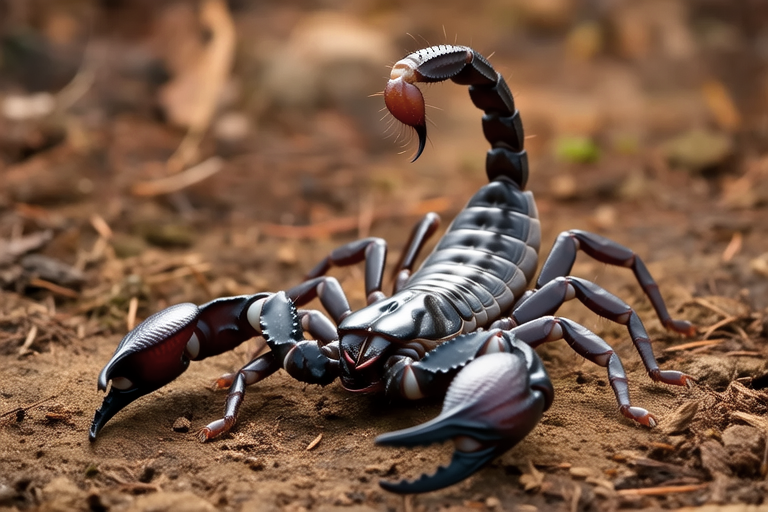
The Heterometrus Spinifer is a medium-sized scorpion, typically reaching lengths between 6 to 8 inches. Its body is characterized by a robust and elongated form, which is essential for its survival in challenging environments. The most striking feature of this species is its namesake: the distinctive spines located on the pedipalps (the large claws). These spines serve multiple purposes, including defense, prey capture, and communication among individuals.
Coloration varies from light brown to dark brown, often with lighter stripes running down the length of the tail, providing excellent camouflage against its natural surroundings. The color pattern allows the Heterometrus Spinifer to blend seamlessly into leaf litter, rocks, and other debris, making it nearly invisible to potential predators and prey alike. This adaptation is crucial for both hunting and avoiding detection.
Habitat and Native Range
Native to parts of Southeast Asia, the Heterometrus Spinifer can be found in countries like Thailand, Malaysia, Indonesia, and Singapore. It thrives in tropical and subtropical regions, preferring humid climates and dense vegetation. These scorpions are often found in forests, bamboo thickets, and areas near water bodies such as rivers and streams.
Within these environments, they seek shelter under logs, in crevices, or among leaf litter. Their preference for humid conditions ensures that their exoskeleton remains supple, preventing it from cracking or becoming brittle. The Heterometrus Spinifer’s ability to adapt to various habitats makes it a resilient species, capable of surviving in diverse ecological niches.
Behavior and Ecology
The Heterometrus Spinifer is primarily nocturnal, emerging at night to hunt for food. Its diet consists mainly of insects, spiders, and small vertebrates. As a predator, it uses its powerful pedipalps to seize and crush prey, injecting venom through specialized stingers located at the end of its tail. This venom serves two purposes: immobilizing the prey and aiding in digestion. While the venom is potent enough to subdue its victims, it is generally not lethal to humans.
Despite its formidable appearance, the Heterometrus Spinifer is not aggressive towards humans. Encounters are rare, and when they do occur, the scorpion will usually attempt to flee rather than confront. In the wild, it plays a vital role in controlling insect populations, contributing to the balance of its ecosystem. Its presence helps regulate the numbers of pests and invasive species, indirectly benefiting agriculture and maintaining biodiversity.
Distinguishing Features
What sets the Heterometrus Spinifer apart from other scorpion species is its unique combination of physical attributes and behaviors. The spines on its pedipalps are particularly noteworthy, as they are more pronounced and developed than those found in many other scorpion species. These spines not only aid in prey capture but also play a role in territorial displays and mating rituals.
Another distinguishing feature is its ability to burrow efficiently. Unlike some scorpion species that rely solely on surface hiding spots, the Heterometrus Spinifer can dig intricate burrows, creating underground shelters that offer protection from predators and harsh weather conditions. This burrowing behavior is an adaptation that has allowed the species to thrive in various environments.
Myths and Misconceptions
One common misconception about scorpions, including the Heterometrus Spinifer, is that they are highly venomous and pose a significant threat to humans. While it is true that all scorpions possess venom, the potency of this venom varies widely between species. In the case of the Heterometrus Spinifer, its venom is primarily used for hunting and defense, and encounters with humans rarely result in serious injury.
Another myth is that scorpions glow under ultraviolet light. While it is true that certain compounds in their exoskeletons can produce a faint luminescence when exposed to UV light, this phenomenon is not exclusive to scorpions and does not serve any practical purpose for the animals themselves. It is merely a side effect of the chemical composition of their outer shells.
Human Interaction
In human-populated areas, the Heterometrus Spinifer is generally considered harmless and is rarely encountered. However, as urbanization continues to encroach upon natural habitats, interactions between humans and these scorpions may become more frequent. Education and awareness campaigns can help reduce fear and promote coexistence.
For those who keep scorpions as pets, the Heterometrus Spinifer is a popular choice due to its manageable size and relatively docile nature. Proper care requires a well-maintained environment that mimics its natural habitat, complete with humidity control and appropriate hiding spots. Responsible ownership involves understanding the needs and behaviors of the animal, ensuring that it is kept in a safe and stress-free environment.
Conclusion
The Heterometrus Spinifer is a remarkable creature, offering a glimpse into the diversity and adaptability of scorpions. Its distinctive spines, nocturnal habits, and role in local ecosystems make it a subject of fascination for biologists and nature lovers alike. By dispelling myths and promoting understanding, we can foster a greater appreciation for these ancient arachnids and the important roles they play in our world.
