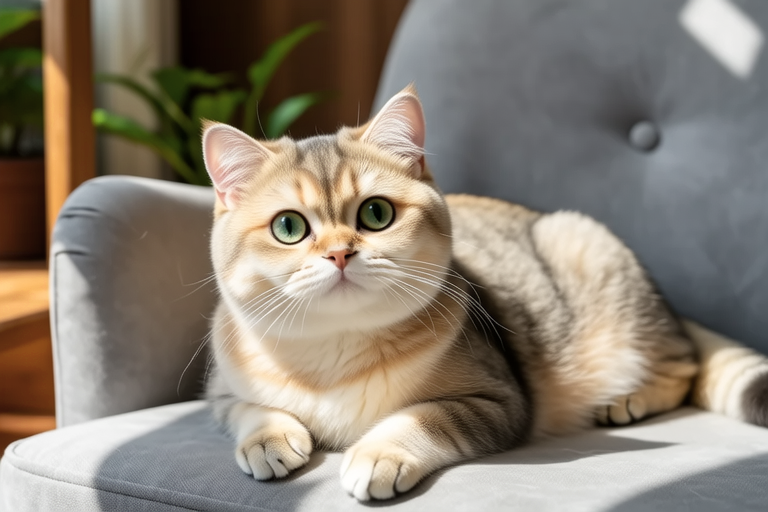
How to Love and Care for Your Golden British Shorthair
Welcome to the wonderful world of golden British Shorthairs! These majestic cats are known for their plush, golden coats and gentle dispositions. They are a joy to have around, and with the right care and attention, they can be a loyal companion for many years. This guide will walk you through everything you need to know about loving and caring for your golden British Shorthair, from understanding their unique temperament to ensuring their health and happiness.
Understanding the Breed’s Temperament
The golden British Shorthair is a breed that exudes calmness and stability. They are often described as having a lion-like presence due to their sturdy build and dignified demeanor. These cats are not overly active or excitable; instead, they prefer a serene and predictable environment. Their temperament makes them excellent companions for families with children and other pets, provided everyone is respectful of their space.
Golden British Shorthairs are intelligent and can be trained to perform simple tasks, like using a scratching post or coming when called. However, they are not as vocal as some other breeds, so you might not hear them meowing frequently. Instead, they communicate through body language and subtle sounds. Understanding these cues can deepen your bond with your cat.
Dietary Needs Tailored for Golden British Shorthairs
Feeding your golden British Shorthair a balanced diet is crucial for maintaining their health and well-being. These cats require a mix of proteins, fats, and carbohydrates to support their muscular structure and glossy coat. High-quality commercial cat food, specifically formulated for indoor cats, is a good starting point. Look for options that include real meat as the primary ingredient, along with essential vitamins and minerals.
Avoid feeding your cat table scraps, especially those containing onions, garlic, or chocolate, as these can be toxic. Fresh water should always be available, and it’s important to monitor their water intake, especially during warmer months. Some cats may benefit from wet food, which can help increase hydration. Consult with your veterinarian to determine the best diet for your individual cat based on age, activity level, and any existing health conditions.
Grooming Tips Specific to Their Coat
The golden British Shorthair boasts a luxurious, double-layered coat that requires regular grooming to keep it healthy and shiny. Their coat is dense and plush, making it prone to matting if not cared for properly. Brushing your cat at least once a week will help remove loose hair and prevent mats from forming. Use a slicker brush designed for short-haired cats to gently detangle their fur.
Bathing your golden British Shorthair is generally not necessary unless they get particularly dirty. Over-bathing can strip their coat of natural oils, leading to dry skin and dull fur. If you do need to bathe your cat, use a cat-specific shampoo and ensure you rinse thoroughly to avoid leaving any residue behind. After bathing, gently towel-dry your cat and allow them to air dry in a warm room.
Trimming nails regularly is also important, as long nails can cause discomfort and affect your cat’s gait. You can use standard nail clippers designed for cats, and it’s helpful to start trimming their nails when they are young so they become accustomed to the process. Be sure to trim only the tip of the nail to avoid cutting into the quick, which can cause bleeding and pain.
Exercise Requirements
While golden British Shorthairs are not as energetic as some other breeds, they still require regular physical activity to maintain their health and weight. Providing them with interactive toys, such as feather wands or laser pointers, can stimulate their minds and bodies. Puzzle feeders that dispense treats when solved can also encourage mental engagement and slow down eating, which is beneficial for digestion.
Creating a stimulating environment with climbing structures and scratching posts can help satisfy their natural instincts to climb and scratch. Encouraging playtime with family members or other pets can also be beneficial. Remember, consistency is key—daily play sessions can make a significant difference in your cat’s overall well-being.
Common Health Issues
Like all breeds, golden British Shorthairs are susceptible to certain health issues. Regular veterinary check-ups are essential to catch any potential problems early. Some common health concerns for this breed include:
- Obesity: Due to their sedentary nature, golden British Shorthairs can easily gain weight. Monitoring their diet and providing opportunities for exercise can help prevent obesity-related health issues.
- Polycystic Kidney Disease (PKD): This genetic condition affects the kidneys and can lead to kidney failure. Early detection through ultrasound screenings can improve management and quality of life.
- Cardiomyopathy: A heart condition that can affect the heart muscle, leading to irregular heartbeat or heart failure. Regular heart checks can help monitor for signs of this condition.
Keeping your cat at a healthy weight and providing routine veterinary care can significantly reduce the risk of these and other health issues. Always consult with your veterinarian regarding any changes in your cat’s behavior or appearance.
Advice on Socializing and Training
Socializing your golden British Shorthair from a young age is important for developing a well-adjusted adult cat. Expose them to various environments, people, and other animals to help them become comfortable and confident. Positive reinforcement techniques, such as rewarding good behavior with treats or praise, can be effective in training your cat. For example, you can teach them to come when called by associating the command with a treat.
Golden British Shorthairs tend to be independent but affectionate, so it’s important to respect their boundaries while fostering a strong bond. Spend quality time with your cat, engaging in activities they enjoy, and creating a safe and comfortable living space. This will help ensure they remain happy and content throughout their lives.
Conclusion
Raising a golden British Shorthair is a rewarding experience filled with love and companionship. By understanding their unique temperament, meeting their dietary and grooming needs, providing adequate exercise, being aware of potential health issues, and socializing them appropriately, you can ensure your cat leads a healthy and fulfilling life. With patience, care, and dedication, you and your golden British Shorthair will form a lasting and cherished bond.
