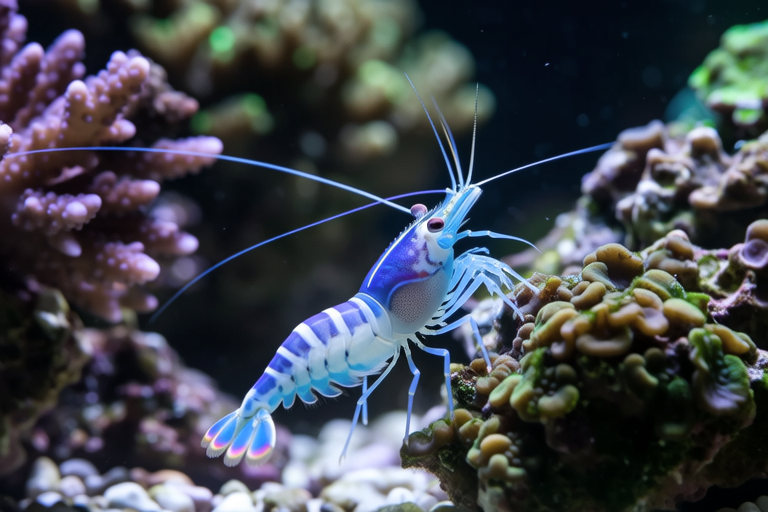
Top Tips for Keeping Coral Shrimp Happy and Healthy in Your Home Aquarium
Welcome to the vibrant world of marine life! If you’re considering adding some coral shrimp to your home aquarium, you’ve made an excellent choice. These fascinating creatures bring a touch of color and activity to any tank, but they require specific care to thrive. In this guide, we’ll cover everything you need to know about keeping coral shrimp happy and healthy in your home aquarium.
Understanding Coral Shrimp
Coral shrimp (Stenopus hispidus) are small, colorful crustaceans that are native to the tropical waters of the Indo-Pacific region. They are popular among aquarists because of their striking appearance and beneficial behavior. Coral shrimp are known for their ability to clean algae from rocks and glass, making them a great addition to reef tanks. Their distinct three-tone coloration – white, blue, and red – makes them a standout species in any aquarium.
Water Parameters Suitable for Coral Shrimp
To ensure your coral shrimp thrive, it’s crucial to maintain optimal water conditions. Here are the key parameters to monitor:
- Temperature: Keep the temperature between 72°F and 82°F (22°C and 28°C).
- pH Levels: Maintain a pH level between 8.1 and 8.4.
- Salinity: Aim for a specific gravity of 1.023 to 1.025.
- Ammonia and Nitrite: Both should be at undetectable levels.
- Nitrate: Keep nitrate levels below 20 ppm.
Regular testing and adjustments are necessary to keep these parameters stable. Investing in a reliable test kit and monitoring equipment will help you maintain a healthy environment for your shrimp.
Choosing Ideal Tank Mates
Compatibility with other tank inhabitants is crucial when housing coral shrimp. While coral shrimp are generally peaceful, they can become stressed or even attacked by aggressive fish. Here are some guidelines for selecting suitable tank mates:
- Avoid large, predatory fish like lionfish or triggerfish.
- Stay away from territorial fish such as clownfish or damselfish.
- Choose peaceful community fish like cardinal tetras or neon tetras.
- Incorporate small, non-aggressive invertebrates like hermit crabs or snails.
Ensure that the tank mates you select have similar water parameter requirements to avoid stressing the coral shrimp.
Diet Specifics
Coral shrimp are omnivorous and require a balanced diet to stay healthy. Their natural diet consists of algae, detritus, and small organisms found in their habitat. To replicate this in your aquarium, provide a variety of foods:
- Algae Wafers: Offer algae wafers designed for herbivorous species.
- Frozen Foods: Supplement their diet with frozen brine shrimp, bloodworms, and mysis shrimp.
- Dry Foods: Include high-quality dry pellets specifically formulated for shrimp.
- Live Foods: Occasionally offer live food options like daphnia or brine shrimp.
Feed your coral shrimp small amounts several times a week rather than large meals once a week. This mimics their natural feeding habits and helps prevent overfeeding.
Hiding Spots and Decorations for Stress Reduction
Coral shrimp are naturally shy and benefit from having plenty of hiding spots and decorations in their tank. These spaces provide security and reduce stress, promoting overall well-being. Consider incorporating the following elements:
- Live Rock: Live rock offers complex structures where shrimp can hide and explore.
- Plants: Floating plants and hardy aquarium plants create additional hiding spots and add aesthetic value.
- Driftwood: Pieces of driftwood provide natural hiding places and contribute to a more natural environment.
- Decorative Structures: Artificial caves, tunnels, and overhangs enhance the tank’s visual appeal while providing shelter.
Arrange these items strategically to create a labyrinth of hiding spots, ensuring each shrimp has its own space.
Regular Maintenance Routines
Consistent maintenance is vital for maintaining a healthy aquarium environment. Here are some essential tasks to perform regularly:
- Water Changes: Perform partial water changes of 10-20% every two weeks to remove accumulated waste and refresh the water.
- Filter Cleaning: Clean your filter media without completely replacing it to maintain beneficial bacteria.
- Gravel Vacuuming: Use a gravel vacuum during water changes to remove debris from the substrate.
- Monitor Equipment: Check that all filtration, heating, and lighting systems are functioning properly.
By adhering to these maintenance routines, you’ll help ensure your coral shrimp remain healthy and happy.
Common Health Issues to Watch For
Despite your best efforts, coral shrimp may still encounter health problems. Being vigilant and addressing issues promptly is key to their recovery. Here are some common health issues to look out for:
- Parasites: Look for signs of external parasites, such as white spots or cloudy patches on the shrimp’s body.
- Bacterial Infections: Monitor for lethargy, loss of appetite, and discoloration of the shrimp.
- Fungal Infections: Notice if there are cotton-like growths on the shrimp’s body or appendages.
- Environmental Stress: Pay attention to erratic swimming patterns, refusal to eat, or hiding excessively.
If you notice any of these symptoms, isolate the affected shrimp and consult with a veterinarian specializing in aquatic animals for appropriate treatment.
Conclusion
Keeping coral shrimp in your home aquarium can be a rewarding experience. By understanding their needs and providing a suitable environment, you can ensure these beautiful creatures thrive. Remember to maintain proper water parameters, choose compatible tank mates, offer a varied diet, and create safe hiding spots. Regular maintenance and vigilance regarding potential health issues will further contribute to their well-being. With the right care, your coral shrimp will bring joy and vibrancy to your aquarium for years to come.
