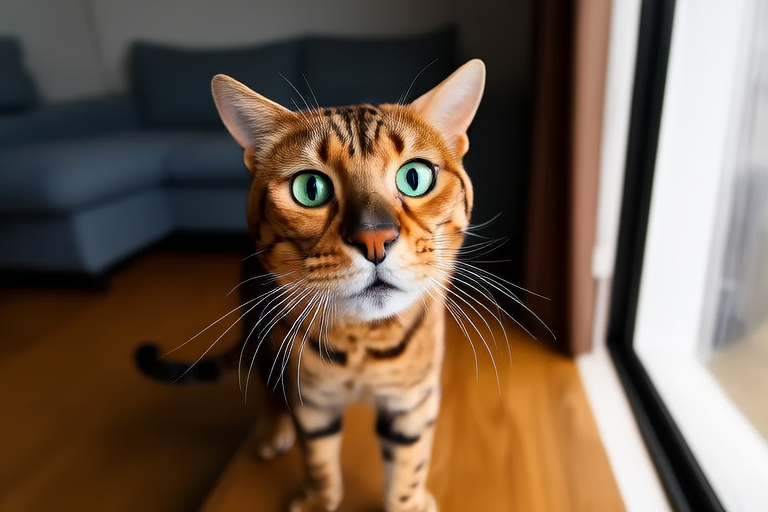
The Ultimate Guide to Living with a Bengal Cat: Tips for Every Owner
Welcome to your ultimate guide to living with a Bengal cat! These majestic felines are known for their striking appearance and playful personalities. Whether you’re a first-time owner or have had Bengals before, this comprehensive guide will provide you with all the information you need to ensure a harmonious and joyful life with your Bengal cat.
Understanding the Bengal Cat’s Unique Personality
Bengal cats are a hybrid breed, a cross between domestic cats and Asian leopard cats. This heritage gives them a unique set of characteristics that make them stand out from other breeds. They are highly intelligent, curious, and very active. Bengals love to play and are often found climbing, jumping, and exploring their surroundings. Their wild ancestry also makes them more vocal than most domestic cats, and they can be quite talkative with their owners.
One of the most endearing traits of Bengal cats is their affectionate nature. While they are not lap cats per se, they enjoy being close to their humans and can often be found following their owners around the house. They are also social animals and thrive in households where they get plenty of attention and interaction. If you’re looking for a cat that will keep you entertained and engaged, a Bengal is the perfect choice.
Dietary Needs
Feeding your Bengal cat the right diet is crucial for maintaining their health and energy levels. Bengals are carnivores, and their diet should reflect this. High-quality cat food that is rich in protein is essential. Look for food that lists meat as the primary ingredient, avoiding products that contain fillers or excessive carbohydrates. Wet food is generally preferred over dry food, as it provides more moisture, which is important for keeping your Bengal hydrated.
It’s also important to consider your Bengal’s specific dietary needs. Some Bengals may be prone to food allergies or sensitivities, so it’s wise to monitor their reactions to different foods and consult with your veterinarian if you notice any adverse effects. Additionally, Bengals can be quite finicky eaters, so it might take some trial and error to find the right food that they enjoy.
Exercise Requirements
Bengals are incredibly active cats, and they require plenty of exercise to stay healthy and happy. Providing them with opportunities for physical activity is essential. Invest in cat trees, scratching posts, and interactive toys that encourage climbing, jumping, and chasing. Puzzle feeders can also be a great way to engage your Bengal’s mind while providing mental stimulation.
In addition to toys, consider setting up an indoor obstacle course or creating a designated play area where your Bengal can run and explore. Regular play sessions with your cat can strengthen your bond and help burn off excess energy. Remember, an active Bengal is a happy Bengal!
Grooming Tips
Bengal cats have short, sleek coats that are relatively easy to maintain. However, they still require regular grooming to keep their fur shiny and healthy. Brushing your Bengal once or twice a week can help remove loose hair and prevent matting. This is especially important during shedding seasons when their coat may become thicker.
Bengals are known for their luxurious, spotted coats, and it’s important to keep them looking their best. Bathing your Bengal may be necessary every few months, but be sure to use a gentle, cat-specific shampoo and avoid getting water in their ears and eyes. After bathing, dry your Bengal thoroughly to prevent discomfort and potential skin issues.
Training Techniques
Training your Bengal cat can be both rewarding and challenging. Bengals are intelligent and can learn a variety of tricks and commands, but they also have a mind of their own and can be quite stubborn at times. Positive reinforcement is key when training your Bengal. Reward good behavior with treats, praise, and affection. Avoid using punishment or negative reinforcement, as this can damage your relationship with your cat.
Begin by teaching basic commands such as ‘come,’ ‘sit,’ and ‘stay.’ Use small, tasty treats as rewards to encourage your Bengal to follow your instructions. Gradually phase out the treats as your Bengal learns to respond to verbal cues alone. Consistency is crucial in training, so try to practice regularly and keep sessions short and fun.
Common Health Issues
While Bengals are generally healthy cats, they are not immune to certain health conditions. One of the most common issues is dental disease, which can be prevented with regular brushing and professional cleanings. Other potential health concerns include heart disease, hip dysplasia, and certain genetic disorders.
To ensure your Bengal stays healthy, schedule regular veterinary check-ups and vaccinations. Keep an eye out for any unusual symptoms, such as weight loss, lethargy, or changes in appetite, and consult your vet if you notice anything concerning. Early detection and treatment of health issues can significantly improve your Bengal’s quality of life.
Advice on Creating a Safe Home Environment
Creating a safe and secure environment for your Bengal cat is essential. Bengals are curious and adventurous, and they can get into trouble if left unsupervised. Make sure to secure windows and balconies to prevent accidental falls. Install pet-proof screens or barriers if necessary.
Keep household chemicals, medications, and toxic plants out of reach. Bengals are notorious for chewing on things they shouldn’t, so it’s important to cat-proof your home. Remove or secure any items that could pose a danger, such as electrical cords or small objects that could be swallowed.
Lastly, provide your Bengal with plenty of hiding spots and vertical spaces to climb. Bengals enjoy having places to retreat to when they feel overwhelmed or stressed. Consider adding cat towers, shelves, or window perches to give your Bengal ample space to explore and relax.
Conclusion
Living with a Bengal cat is a rewarding and enriching experience. With their unique personalities, high energy levels, and affectionate nature, Bengals bring joy and excitement to their owners’ lives. By understanding their dietary needs, providing adequate exercise, maintaining proper grooming, employing effective training techniques, staying vigilant about health issues, and ensuring a safe home environment, you can create a harmonious and fulfilling life for both you and your Bengal cat.
Remember, every cat is an individual, and what works for one Bengal may not work for another. Be patient, observant, and adaptable as you navigate the joys and challenges of owning a Bengal cat. With love, care, and attention, you’ll enjoy many years of companionship with your magnificent feline friend.
