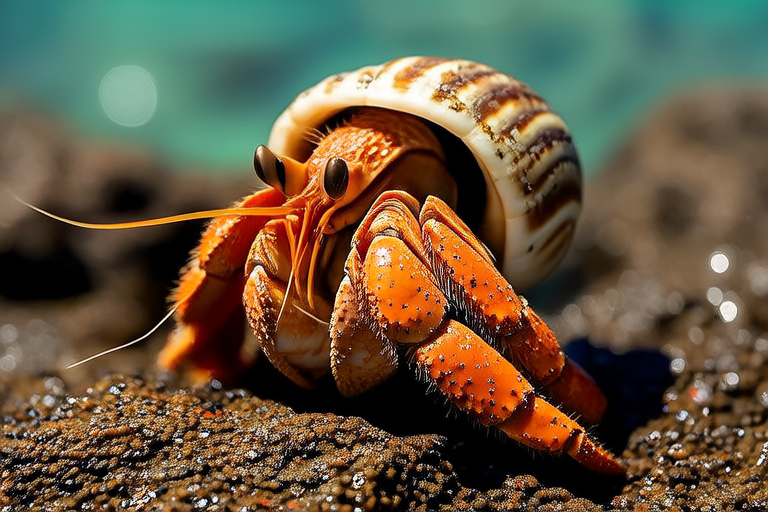
Unraveling The Mystery: What Do Hermit Crabs Really Need In Their Shell?
Hermit crabs are fascinating creatures with unique living arrangements. Unlike other crustaceans, they rely on borrowed homes — snail shells — for protection. Understanding what hermit crabs need in their shell is crucial for their well-being. This article delves into the essentials of shell selection and maintenance, offering insights for both novice and seasoned hermit crab owners.
The Importance of Shell Size
Choosing the right shell size is paramount for a hermit crab’s health. A shell that is too small can cause stress and hinder movement, while one that is too large can make it difficult for the crab to maintain its balance or retreat fully inside. Ideally, the aperture of the shell should be slightly larger than the crab’s body but not so large that it leaves significant space between the crab and the shell’s interior.
To determine if a shell fits well, gently place the crab in the shell and observe if it can retract its limbs comfortably. If the crab seems cramped or struggles to enter, the shell is likely too small. Conversely, if there’s excessive space, the shell may be too big. Regularly check your hermit crab’s shell size as they grow and molt, ensuring a snug fit throughout their lifecycle.
Shell Shape and Texture
The shape and texture of a shell also play significant roles in a hermit crab’s safety and comfort. A shell with a smooth, rounded interior allows the crab to move freely and easily withdraw when threatened. Rough or jagged interiors can cause injuries, leading to infections or other health issues. Similarly, the exterior texture affects the crab’s ability to grip and carry the shell.
For instance, shells with ridges or bumps can provide better traction, making it easier for the crab to maneuver. However, excessively rough exteriors might cause wear and tear on the crab’s delicate appendages over time. It’s important to select shells that balance aesthetic appeal with practical functionality.
Variety for Molting and Growth Stages
Hermit crabs undergo periodic molting, during which they shed their exoskeleton and grow a new one. During this vulnerable period, they require additional protection and support. Providing a range of shell sizes ensures that each crab can find an appropriate home for its current stage of development.
In addition to regular molting, hermit crabs may occasionally switch shells even when not molting. Offering a diverse selection of shells caters to these preferences and encourages natural behaviors. Include shells of various sizes, shapes, and textures to accommodate different needs and tastes within your hermit crab community.
Keeping Shells Clean
Dirty shells can harbor harmful bacteria and parasites, posing serious risks to your hermit crab’s health. Regular cleaning is essential to maintain a safe environment. Use a soft-bristled brush and warm water to gently scrub away dirt and debris from the inside and outside of the shells. Avoid harsh chemicals or detergents, as these can leave residues toxic to hermit crabs.
After cleaning, rinse the shells thoroughly under running water to remove any soap residue. Allow them to air dry completely before reintroducing them into the habitat. This process helps prevent the buildup of harmful substances and ensures that your hermit crabs have access to clean, healthy homes at all times.
Tips for Decorating Shells Without Harming the Crab
Decorating shells can add visual interest to your hermit crab’s environment while allowing you to express creativity. However, it’s vital to ensure that decorations do not pose any risks to the crab. Non-toxic paints and dyes are available specifically for crafting purposes and can be used sparingly on the exterior of shells.
Avoid applying decorations directly to areas where the crab will come into contact with the shell. Instead, focus on the outer surfaces or create removable accessories that can be attached and removed as needed. Always test any materials for safety by rubbing them against your skin; if they feel rough or irritating, they are likely unsuitable for your hermit crab.
Environmental Factors Affecting Shell Preferences
The ambient conditions within your hermit crab’s habitat influence their shell choices. Humidity levels significantly impact how comfortable your crabs feel in their homes. High humidity mimics their natural tropical environments, encouraging them to explore and interact more freely. Conversely, low humidity can lead to dehydration and stress.
Temperature also plays a role in shell preference. Hermit crabs thrive in warm environments, typically between 75°F and 85°F (24°C and 29°C). Maintaining optimal temperature ranges ensures that your crabs remain active and engaged with their surroundings, including their choice of shells.
Conclusion
Understanding what hermit crabs need in their shell is key to providing them with a safe, comfortable living space. By considering factors such as size, shape, texture, cleanliness, and environmental conditions, you can create an enriching habitat that supports your hermit crabs’ physical and emotional well-being. Whether you’re new to hermit crab ownership or an experienced enthusiast, paying attention to these details will help ensure your crabs lead happy, healthy lives.
