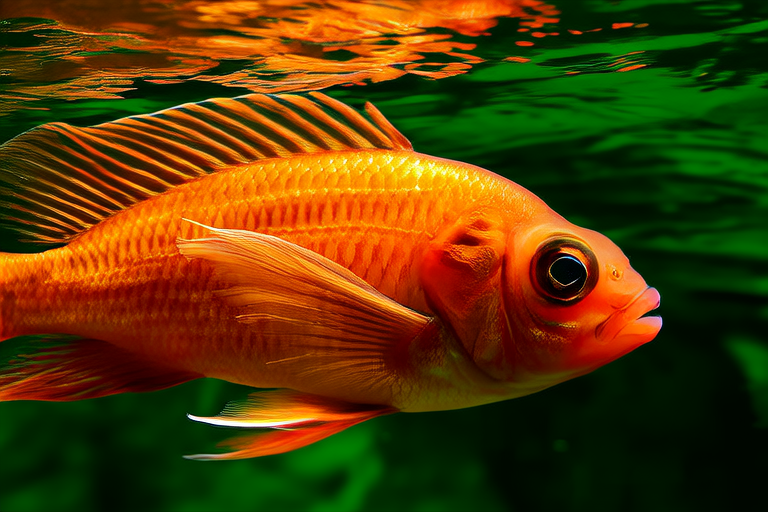
Goldfish Behaviors and Habits: Insights into Golden Swimmers
Goldfish, often referred to as golden swimmers, are among the most popular aquarium pets due to their vibrant colors and seemingly simple care requirements. However, beneath their charming exterior lies a complex array of behaviors and habits that reflect their natural instincts, social dynamics, responses to stimuli, feeding patterns, and environmental preferences. Understanding these aspects can greatly enhance the well-being of your pet goldfish and provide a more enriching experience for both you and your aquatic companion.
Natural Instincts and Social Dynamics
In their natural habitat, goldfish are schooling fish, meaning they prefer to live in groups. This instinct fosters a sense of security and helps them avoid predators by staying close together. In captivity, goldfish also exhibit this behavior, often swimming in synchronized movements when placed with other goldfish. Their social structure within tanks is fluid; however, they tend to establish a hierarchy based on size and age. Larger, older fish may dominate smaller ones, especially during feeding times.
Goldfish are omnivores, feeding on a variety of plant and animal matter in the wild. In captivity, it’s crucial to replicate this diet with a balanced mix of flakes, pellets, and occasional live or frozen foods like brine shrimp or daphnia. Feeding times should be consistent to maintain regular digestive rhythms, promoting optimal health.
Responses to Stimuli and Environmental Preferences
Goldfish are highly responsive to changes in their environment, including water quality, temperature, and lighting. They have an acute sense of smell, which aids in detecting potential threats or food sources. Water parameters such as pH, ammonia, nitrite, and nitrate levels should be monitored regularly to ensure a healthy living space. Goldfish thrive in slightly cooler waters, typically between 68°F and 74°F (20°C to 23°C), with a stable pH range of 6.5 to 8.0.
Lighting plays a significant role in the daily routine of goldfish. Natural sunlight or artificial full-spectrum lighting can stimulate their circadian rhythms, helping them differentiate day from night. However, prolonged exposure to intense light can lead to stress, so it’s advisable to provide a balanced lighting schedule, ensuring several hours of darkness each day.
Cognitive Abilities and Memory
Contrary to popular belief, goldfish possess remarkable cognitive abilities and memory. Studies have shown that goldfish can distinguish between different shapes, colors, and even recognize their caretakers. They can remember tasks for up to three months and learn to respond to specific stimuli, such as the sound of food being prepared. This intelligence underscores the importance of providing mental stimulation through interactive toys, puzzles, and varied feeding methods.
One common myth about goldfish is that they only have a three-second memory. Scientific research has debunked this notion, revealing that goldfish can remember events and locations for much longer periods. Encouraging exploration and problem-solving activities can further enhance their cognitive development.
Tank Size and Companionship
The size of the tank significantly influences the behavior and health of goldfish. A general rule of thumb is to provide at least 20 gallons of water per adult goldfish, though larger tanks are preferable for better water circulation and reduced stress. Overcrowding can lead to aggressive behavior, territorial disputes, and increased susceptibility to diseases.
Companionship is another critical factor in maintaining the well-being of goldfish. While goldfish are social creatures, they require compatible tank mates. Avoid housing them with aggressive species or those that pose a risk of fin nipping. Optimal tankmates include other peaceful community fish like danios or platies. Regular observation of social interactions can help identify any signs of aggression or distress early on.
Enhancing Well-Being for Owners
To ensure the best possible life for your goldfish, consider the following tips:
- Proper Filtration: Invest in a high-quality filter that maintains water clarity and reduces harmful bacteria.
- Regular Water Changes: Perform partial water changes weekly to remove toxins and maintain optimal water quality.
- Diverse Diet: Offer a varied diet to meet nutritional needs and prevent boredom.
- Mental Stimulation: Incorporate toys, plants, and caves to encourage exploration and reduce monotony.
- Consistent Routine: Maintain a consistent feeding and maintenance schedule to minimize stress.
By understanding and addressing the behavioral and environmental needs of your goldfish, you can create a thriving and stimulating environment that promotes their physical and mental health. Embrace the opportunity to learn more about these fascinating creatures and deepen your bond with your aquatic companions.
Conclusion
Goldfish, or golden swimmers, are more than just decorative additions to an aquarium. They are intelligent, social animals with complex behaviors and preferences. By delving into their natural instincts, social dynamics, responses to stimuli, feeding patterns, and environmental preferences, we gain valuable insights into enhancing their well-being. Through proper care, mental stimulation, and a suitable environment, you can ensure that your goldfish lead happy, healthy lives. Enjoy the journey of discovery and companionship with these delightful aquatic pets.
