Spectacular Arowana: The Jewel of Freshwater Aquariums
The arowana, often referred to as the “jewel of freshwater aquariums,” captivates aquarists with its striking appearance, fascinating behaviors, and unique characteristics. This article delves into the world of arowanas, exploring their physical attributes, dietary needs, ideal tank conditions, and common health issues. We’ll also discuss the challenges and rewards of keeping these majestic fish in a home aquarium setting, providing valuable tips for beginners.
A Unique Appearance
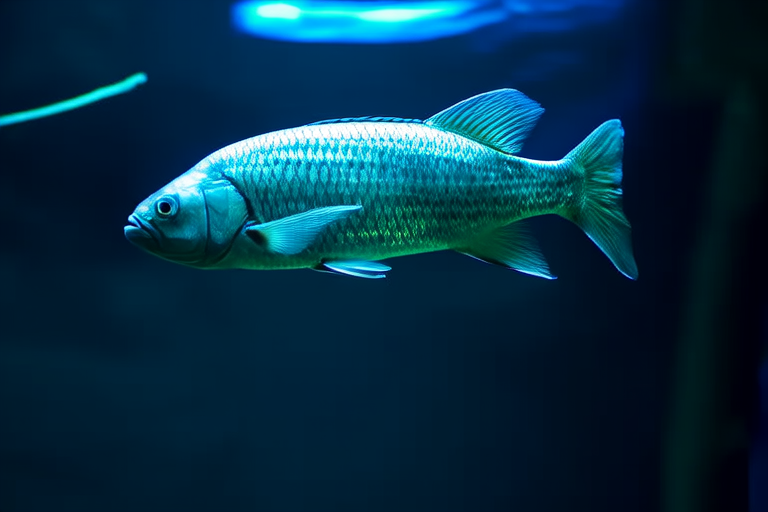
Arowanas are known for their elongated bodies and large, scaly fins. Their scales are large and metallic, giving them a shimmering, iridescent appearance that can range from silver to green, depending on the species. The most popular species among aquarists is the Asian arowana (Scleropages formosus), which comes in various color morphs including red, gold, and green. These fish have long pectoral fins that they use to glide through the water, making them a captivating sight to behold.
Behavior and Social Interaction
Arowanas are highly intelligent and social creatures. They are known to be curious and will often swim up to the water’s surface to inspect their surroundings. In the wild, they are territorial and may exhibit aggressive behavior towards other fish. However, when kept in a large enough tank with plenty of space, they can coexist peacefully with similarly sized species. It’s important to note that arowanas are carnivorous and should not be housed with smaller fish that could become prey.
Dietary Needs
Arowanas are carnivores and require a diet rich in protein. In the wild, they feed on insects, small fish, crustaceans, and even birds that come close to the water’s surface. In captivity, it’s essential to provide them with a varied diet consisting of high-quality pellets, live or frozen foods such as brine shrimp, krill, and feeder fish. It’s crucial to avoid overfeeding, as this can lead to obesity and health problems.
Suitable Tank Conditions
Arowanas need spacious tanks with ample swimming room. For a single adult arowana, a tank size of at least 300 gallons is recommended, though larger tanks are preferred. The tank should be equipped with robust filtration systems capable of handling large amounts of waste and maintaining water quality. Additionally, arowanas prefer tanks with a sandy substrate and plenty of hiding spots, such as caves or driftwood, to feel secure. Water temperature should be maintained between 75°F and 82°F (24°C and 28°C), and pH levels should be slightly acidic to neutral.
Common Health Issues
Like all aquatic animals, arowanas are susceptible to certain health issues. One of the most common is swim bladder disorder, which can cause difficulty in maintaining buoyancy. This condition is often linked to poor water quality or improper feeding habits. Another issue is fin rot, which can be caused by bacteria or fungi. Regular water changes and proper hygiene practices can help prevent these problems. It’s also important to monitor your arowana for signs of stress, such as loss of appetite or lethargy, as these can indicate underlying health concerns.
Challenges and Rewards of Keeping Arowanas
Keeping arowanas presents several challenges for aquarists. Their large size and high energy level require significant tank space and maintenance effort. Additionally, their carnivorous nature means that they can be expensive to feed properly. However, the rewards of keeping arowanas are immense. Watching these magnificent fish glide through the water and interact with their environment can be incredibly rewarding. Moreover, arowanas are highly sought after by collectors due to their rarity and beauty, making them a valuable addition to any aquarium.
Tips for Beginners
- Start with a Large Tank: Always choose a tank that meets the minimum size requirements for arowanas. A small tank can lead to stress and health problems.
- Research Proper Feeding: Learn about the specific dietary needs of arowanas to ensure they receive the nutrients necessary for optimal health.
- Monitor Water Quality: Regularly test and maintain water parameters to keep your arowana healthy.
- Provide Hiding Spots: Include caves or driftwood in the tank to give your arowana a sense of security.
- Be Patient: Arowanas can take time to adjust to new environments, so be patient during the acclimation process.
Conclusion
The arowana truly is a jewel among freshwater aquarium inhabitants. With their striking appearance, fascinating behaviors, and unique care requirements, they offer a rewarding experience for dedicated aquarists. While keeping arowanas presents challenges, the joy of observing these magnificent fish more than compensates for the effort. By following proper care guidelines and providing a suitable environment, you can enjoy the splendor of arowanas in your own aquarium.
