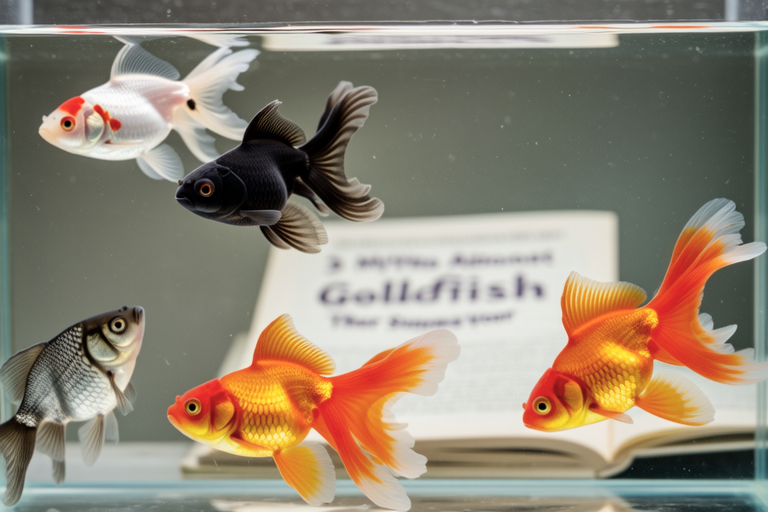
5 Myths About Goldfish That Will Surprise You
Goldfish have been cherished as pets for centuries. Their vibrant colors and playful nature make them a favorite among both children and adults. However, there are several myths surrounding these delightful creatures that can lead to misinformation and poor care practices. In this article, we will explore five common myths about goldfish and set the record straight with factual information.
Myth 1: Goldfish Have a Three-Second Memory
One of the most pervasive myths about goldfish is that they have a memory span of just three seconds. This misconception likely stems from their apparent forgetfulness when it comes to finding food or remembering their tank environment. However, research has shown that goldfish can remember things for much longer than just a few seconds.
A study conducted by the School of Psychology at Macquarie University in Sydney found that goldfish can recall the location of objects up to three months after they’ve been moved. They also demonstrated the ability to learn complex tasks, such as navigating mazes and pressing levers for food. This intelligence suggests that goldfish are capable of learning and remembering much more than previously thought. Therefore, it’s important to provide mental stimulation through toys and puzzles to keep your goldfish engaged and healthy.
Myth 2: Goldfish Can Live in Any Bowl
Another widespread myth is that goldfish can thrive in any small container, like a bowl. While goldfish can survive in a bowl, they do not thrive in such environments. Goldfish require ample space to swim freely and a well-filtered tank to maintain water quality.
The average goldfish grows to about six inches long, but some species can reach lengths of up to 18 inches. A small bowl cannot accommodate the swimming space required for a healthy goldfish. Additionally, bowls lack filtration systems, which can lead to poor water quality and health issues. It is recommended to house goldfish in a tank of at least 20 gallons for one fish, with additional space for each additional goldfish. Proper filtration and regular water changes are essential for maintaining a healthy aquatic environment.
Myth 3: Goldfish Are Easy to Feed
Goldfish are often considered low-maintenance pets, leading many people to believe that feeding them is simple. However, overfeeding can cause significant harm to goldfish. Overfeeding leads to excess waste production, which can foul the water and create toxic conditions for the fish.
It’s important to feed goldfish only what they can consume within two minutes. This helps prevent overfeeding and maintains water quality. A varied diet that includes pellets, flakes, and occasional live or frozen foods like brine shrimp and bloodworms provides essential nutrients for goldfish health. Avoid feeding them excessive amounts of high-protein foods, as this can lead to swim bladder problems and other health issues. Regularly monitoring your goldfish’s eating habits and adjusting portions accordingly ensures they remain healthy and active.
Myth 4: Goldfish Only Need Occasional Water Changes
Many goldfish owners assume that since these fish are hardy, they can tolerate infrequent water changes. However, goldfish produce a lot of waste, and their tanks need frequent maintenance to keep the water clean and safe.
Regular water changes are crucial for maintaining water quality and preventing ammonia and nitrite buildup, which can be harmful to goldfish. A general rule of thumb is to perform weekly partial water changes of about 25% to 50%, depending on the size of the tank and the number of fish. Additionally, using a high-quality filter and testing the water regularly for pH, ammonia, nitrite, and nitrate levels can help ensure a healthy aquatic environment. Proper water management is key to keeping your goldfish happy and healthy.
Myth 5: All Goldfish Are the Same
The final myth is that all goldfish are the same. In reality, there are numerous varieties of goldfish, each with distinct characteristics and care requirements. Understanding the differences between these varieties can help you provide the best possible care for your goldfish.
Common goldfish, such as comet and shubunkin, are generally hardier and better suited for outdoor ponds. Fancy goldfish, including ryukin, oranda, and lionhead, have unique physical traits that may require special care. For example, fancy goldfish often have protruding eyes, which can make them more susceptible to eye infections. It’s important to research the specific needs of your goldfish variety to ensure they receive appropriate care. Providing the right environment, diet, and attention can help your goldfish thrive and live a long, healthy life.
Tips for Proper Goldfish Care
Based on the myths we’ve debunked, here are some tips for proper goldfish care:
- Provide Adequate Space: Ensure your goldfish have enough room to swim freely. A minimum of 20 gallons per fish is recommended.
- Use Proper Filtration: Invest in a good filter system to maintain water quality and reduce the frequency of water changes.
- Monitor Feeding: Feed your goldfish only what they can eat in two minutes, and offer a varied diet to promote good health.
- Perform Regular Water Changes: Conduct weekly partial water changes to keep the tank clean and free of harmful chemicals.
- Understand Your Goldfish Variety: Research the specific needs of your goldfish variety to provide tailored care and attention.
By understanding and addressing these common myths, you can provide your goldfish with the best possible care. With proper attention and a suitable environment, goldfish can live long, healthy lives and bring joy to their owners for years to come.
