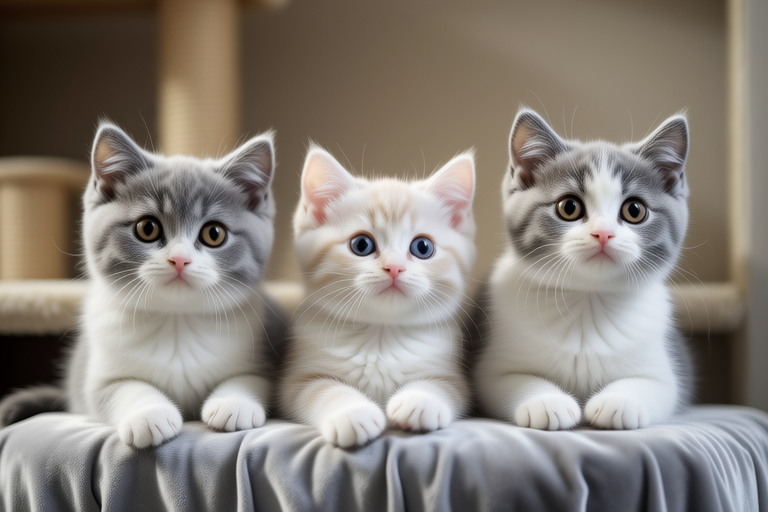
Cuteness Alert: Scottish Folds and Their Unique Folded Ears
Welcome to the world of Scottish Folds, a breed that has captured the hearts of many with their distinctively folded ears and charming personalities. These lovable felines have become popular pets due to their unique appearance and friendly demeanor. Let’s dive into the fascinating world of Scottish Folds and explore what makes them such special companions.
The History of Scottish Folds
The story of the Scottish Fold begins in 1961, when a barn cat named Susie was discovered near Coupar Angus in Scotland. Susie had an unusual feature – her ears were folded forward and down, giving her a curious and somewhat owl-like appearance. Her offspring inherited this trait, and the breed was officially recognized as Scottish Folds in the 1970s. Since then, they have gained popularity worldwide for their unique looks and affectionate nature.
The Distinctive Physical Traits
Scottish Folds are instantly recognizable by their folded ears, which give them a distinctive appearance. The ear folding occurs due to a dominant gene that affects the cartilage structure. Not all kittens born to Scottish Fold parents will have folded ears; some may develop straight ears instead. However, those with folded ears typically have them by the time they’re three weeks old.
Aside from their folded ears, Scottish Folds come in various coat colors and patterns, including solid colors, tabby, bicolor, and more. Their coats can be short or long, and they often have large, expressive eyes that complement their unique look. Despite their small size, Scottish Folds possess sturdy bodies with well-developed muscles, making them agile and playful.
The Temperament of Scottish Folds
One of the most endearing qualities of Scottish Folds is their loving and gentle temperament. They are known for being affectionate towards their owners and enjoy spending time with family members. These cats tend to form strong bonds with their human companions, often following them around the house and seeking attention whenever possible.
Scottish Folds are also relatively quiet cats compared to other breeds. While they aren’t completely silent, they tend to communicate softly, making them ideal for households where noise levels need to be kept low. They are generally good-natured and get along well with children and other pets, though it’s always important to introduce new animals gradually to ensure compatibility.
Care Requirements for Scottish Folds
Like any pet, Scottish Folds require proper care to maintain their health and happiness. Regular grooming is essential, especially for long-haired varieties, to prevent matting and keep their coats shiny and healthy. Brushing your Scottish Fold at least twice a week can help remove loose hair and reduce shedding.
Feeding your Scottish Fold a balanced diet appropriate for their age, weight, and activity level is crucial for maintaining optimal health. Consult with your veterinarian to determine the best food options for your pet. Additionally, providing fresh water daily and monitoring their weight can help prevent obesity, which is common in indoor cats.
Regular veterinary check-ups are also important for early detection and treatment of any potential health issues. Scottish Folds, like many other breeds, are prone to certain conditions such as polycystic kidney disease (PKD) and osteochondrodysplasia, a condition affecting bone development. Genetic testing and responsible breeding practices can help minimize the risk of these conditions.
Popular Myths and Misconceptions
Despite their growing popularity, there are still several myths and misconceptions surrounding Scottish Folds. One common myth is that all Scottish Folds suffer from hearing problems due to their folded ears. In reality, while some individuals may experience reduced hearing, many Scottish Folds have normal hearing abilities. It’s essential to consult with a reputable breeder who can provide accurate information about the health of their cats.
Another misconception is that Scottish Folds should only be bred with other Scottish Folds. In fact, breeding two Scottish Folds together increases the likelihood of offspring inheriting osteochondrodysplasia, a genetic disorder affecting bone development. Responsible breeders often crossbreed Scottish Folds with other breeds, such as American Shorthairs, to promote genetic diversity and reduce the risk of health issues.
The Appeal of Scottish Folds as Pets
The unique appearance of Scottish Folds has made them incredibly appealing to cat lovers and potential pet owners alike. Their folded ears and expressive faces give them a cute and approachable look, while their affectionate nature makes them wonderful companions. Many people find the combination of their striking looks and gentle personalities irresistible, leading to their growing popularity as household pets.
Scottish Folds are adaptable cats that can thrive in various living situations, from small apartments to larger homes. They enjoy interacting with their owners but are also independent enough to entertain themselves when necessary. Their ability to coexist peacefully with other pets and children further enhances their appeal as family pets.
Conclusion
Scottish Folds are truly one-of-a-kind cats, combining unique physical traits with charming personalities that make them beloved pets. From their distinctive folded ears to their affectionate nature, these felines offer a delightful companionship for those looking for a special addition to their families. By understanding their care requirements and addressing common myths, prospective owners can ensure a happy and healthy life for their Scottish Fold. Whether you’re a seasoned cat owner or considering adopting your first feline friend, Scottish Folds are sure to bring joy and warmth into your home.
