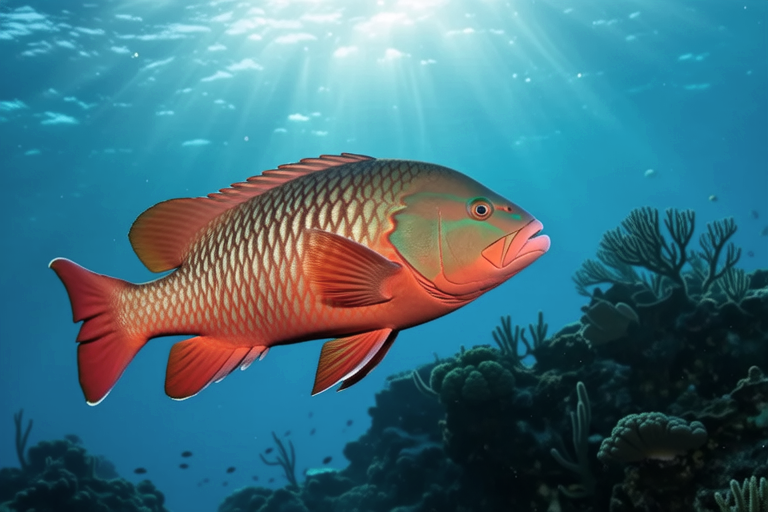
Parrot Fish: A Colorful Addition to Your Saltwater Aquarium
Introduction
Parrot fish, belonging to the family Scaridae, are a captivating group of marine fish known for their striking colors and unique behaviors. These fish are native to tropical and subtropical waters around the world, particularly in the Indo-Pacific region and the Caribbean. With their vibrant hues and distinctive appearance, parrot fish have become a popular choice among saltwater aquarium enthusiasts. In this article, we will explore the various aspects of keeping parrot fish in your saltwater aquarium, from understanding their species to providing the necessary care and maintaining a healthy environment.
The Vibrant Colors of Parrot Fish
One of the most appealing features of parrot fish is their dazzling array of colors. Depending on the species, their bodies can range from bright yellows and oranges to deep purples and blues. Some species even exhibit bioluminescence, emitting a soft glow under certain lighting conditions. This diversity in coloration makes them stand out in any aquarium setup. The vivid pigmentation is often influenced by their environment, diet, and mood, adding an element of unpredictability and excitement to their presence in your tank.
Why Parrot Fish Make Excellent Additions to Saltwater Aquariums
Parrot fish are not only visually stunning but also bring a dynamic energy to your aquarium. They are generally peaceful and can coexist well with other non-aggressive fish species, making them versatile additions to community tanks. Their active swimming patterns and playful nature provide constant entertainment, ensuring that your aquarium remains an engaging and lively space. Additionally, parrot fish contribute to the overall health of the tank by grazing on algae, helping to keep the substrate clean and balanced.
Care Requirements
Proper care is essential to ensure the longevity and well-being of parrot fish in your saltwater aquarium. Understanding their specific needs will help you create an optimal living environment.
Ideal Tank Conditions
To mimic their natural habitat, it’s crucial to replicate the conditions found in tropical and subtropical waters. A minimum tank size of 120 gallons is recommended for most parrot fish species, although larger tanks are preferable for more robust specimens. Maintain a stable temperature between 72°F and 82°F (22°C to 28°C) and ensure good water quality with regular testing and maintenance. Optimal salinity levels should be kept at approximately 1.023 to 1.025 specific gravity. Adequate filtration and aeration are vital to maintain clear, oxygen-rich water.
Diet
Parrot fish are omnivores, meaning they require a balanced diet consisting of both plant matter and animal protein. A variety of foods such as spirulina-based flakes, seaweed sheets, and fresh vegetables like spinach or kale should be offered regularly. Additionally, include meaty foods like brine shrimp, mysis shrimp, and small pieces of chopped seafood to provide essential nutrients. Feeding two to three times daily in small portions will help prevent overfeeding and promote healthy digestion.
Common Health Issues
Like any aquatic life, parrot fish can be susceptible to certain health problems if not properly cared for. Common ailments include parasitic infections, bacterial diseases, and stress-related disorders. Regular observation and prompt treatment are key to addressing these issues before they escalate. Quarantine new arrivals for at least four weeks to prevent introducing pathogens into your established tank. Maintaining pristine water quality and a stress-free environment can significantly reduce the risk of illness.
Tips for Setting Up a Suitable Habitat
Creating a suitable habitat for your parrot fish involves careful planning and attention to detail.
Tank Size
As mentioned earlier, a minimum tank size of 120 gallons is advisable. Larger tanks offer more swimming space and better water stability, which is beneficial for the fish’s physical and mental well-being. Ensure there are plenty of hiding spots, such as caves and rock formations, to provide security and stimulate natural behavior.
Water Parameters
Maintain consistent water parameters by performing routine water changes and monitoring pH, ammonia, nitrite, and nitrate levels. Use high-quality test kits to accurately assess these factors and take corrective actions when necessary. Regularly check the water flow and adjust it to avoid stagnant areas within the tank.
Compatible Tank Mates
When selecting tank mates for your parrot fish, choose species that share similar temperaments and environmental preferences. Peaceful herbivorous fish like tangs, surgeonfish, and rabbitfish are excellent companions. Avoid aggressive or territorial species that may cause stress or conflict. Compatibility also extends to corals and invertebrates; ensure that any additions to the tank are safe for both the parrot fish and other inhabitants.
Maintaining a Healthy Environment
To keep your parrot fish thriving, it’s important to establish and maintain a healthy environment.
Regular Maintenance
Perform weekly partial water changes of about 10-15% to remove accumulated waste and refresh the water. Clean filters and equipment as needed, and monitor the tank’s bio-load to avoid overcrowding. Regular cleaning of the substrate and decorations helps prevent the buildup of harmful substances.
Behavioral Observations
Pay close attention to your parrot fish’s behavior for early signs of distress or illness. Normal activities include frequent swimming, grazing, and interacting with tank mates. Any sudden changes in appetite, activity level, or appearance should prompt immediate investigation and potential intervention.
The Joys of Observing Parrot Fish in Your Home Aquarium
Watching parrot fish in your saltwater aquarium is a rewarding experience. Their vibrant colors and dynamic movements add a touch of natural beauty to your living space. Each day brings new opportunities to observe their interactions, feeding habits, and overall behavior. The joy of witnessing these magnificent creatures thrive in your care fosters a deeper connection with your aquarium hobby and enriches your home environment.
Conclusion
Parrot fish are a delightful addition to any saltwater aquarium, offering both visual appeal and behavioral enrichment. By understanding their specific care requirements and creating a suitable habitat, you can ensure the health and happiness of these colorful fish. Embrace the challenges and rewards of maintaining a thriving saltwater ecosystem, and enjoy the continuous entertainment and wonder that parrot fish bring to your home aquarium.
