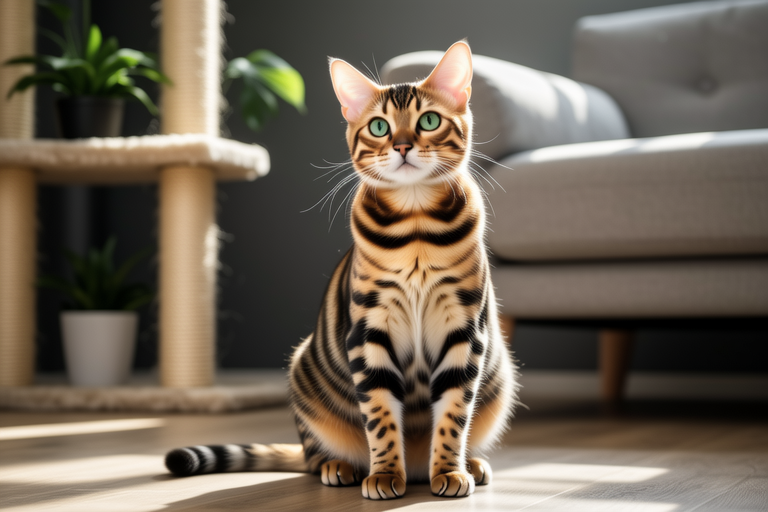
From Jungle to Home: The Ultimate Guide to Living with a Bengal Cat
Welcome to your comprehensive guide on living with a Bengal cat! These felines have captured the hearts of many with their striking appearance and playful nature. This article will provide you with all the essential information to ensure that you and your Bengal cat live happily together.
The Origins and Characteristics of Bengal Cats
Bengal cats are a relatively new breed, developed by crossing domestic cats with Asian leopard cats. Their ancestors include the Asian leopard cat, a small wild cat native to Asia. This lineage gives Bengal cats their distinctive spotted or marbled coats, which resemble those of leopards. Bengals are known for their intelligence, agility, and active lifestyles.
Unique Physical Traits and Personalities
Bengal cats have a sleek, muscular build, with short, dense fur that feels like satin. They come in various coat patterns, including spots, rosettes, and marbles. Their eyes are typically almond-shaped and can range from green to gold. Bengals are highly intelligent, curious, and energetic, making them excellent companions for active individuals.
Diet and Nutrition
A balanced diet is crucial for maintaining your Bengal’s health. Feed them high-quality, protein-rich food that meets their nutritional requirements. Consult with your veterinarian about the best diet for your cat, especially if they have any specific health concerns. Bengals may require more calories due to their active lifestyle, so consider feeding them multiple small meals throughout the day.
Grooming Needs
Bengals have short, dense fur that requires regular brushing to prevent matting and hairballs. Brush your cat at least once a week, paying special attention to areas prone to tangles, such as behind the ears and under the legs. Regular grooming also helps distribute natural oils throughout their coat, keeping it shiny and healthy.
Exercise and Playtime
Bengal cats are highly active and enjoy climbing, jumping, and playing. Provide them with plenty of opportunities for physical activity through interactive toys, puzzle feeders, and climbing structures. Rotate their toys regularly to keep them engaged and interested. Encourage play sessions to help burn off excess energy and maintain a healthy weight.
Training and Socialization
Training your Bengal cat can be rewarding but requires patience and consistency. Use positive reinforcement techniques, such as treats and praise, to encourage good behavior. Bengals are quick learners and can be trained to perform tricks or respond to commands. Socialize your cat early to help them develop confidence and adaptability. Expose them to different people, animals, and environments gradually and positively.
Common Health Issues
Bengal cats are generally healthy, but some may be predisposed to certain conditions. Hypertrophic cardiomyopathy (HCM), a heart disease, is one concern. Regular veterinary check-ups and genetic testing can help monitor and manage this condition. Bengals may also experience skin allergies, which can cause itching and discomfort. Consult with your veterinarian for appropriate treatment options.
Creating a Suitable Living Environment
Create a safe and stimulating environment for your Bengal cat. Provide them with tall scratching posts, climbing trees, and comfortable resting spots. Bengals love water, so consider offering them a water fountain or shallow dish for play. Ensure your home is free of toxic plants and substances harmful to cats. Install window perches or cat trees near windows to give them a view of the outdoors.
Toys and Scratching Posts
Select toys that cater to your Bengal’s playful and active nature. Interactive toys, laser pointers, and feather wands are great choices. Bengals also enjoy puzzle feeders, which challenge their minds while providing mental stimulation. Invest in sturdy scratching posts, as Bengals love to scratch and mark their territory. Place these posts in areas where your cat spends most of their time.
Tips for New Owners
Building a strong bond with your Bengal cat takes time and effort. Spend quality time with them daily, engaging in play and interaction. Learn their body language and vocalizations to understand their needs and emotions. Be patient and consistent in your training and socialization efforts. Remember that every cat is unique, so take the time to get to know your Bengal’s individual personality and preferences.
In conclusion, living with a Bengal cat is a rewarding experience filled with joy and companionship. By understanding their origins, characteristics, and needs, you can provide your Bengal with a happy, healthy life. With proper care, training, and socialization, you’ll form a strong bond with your feline friend. Embrace the adventure of sharing your home with a Bengal cat and enjoy the unique relationship that awaits you.
