Top 10 Fun Facts About Splendid Japaluras You Need to Know
The splendid japalura (Goniurosaurus splendidus) is a captivating and relatively lesser-known species of gecko native to parts of China and Vietnam. This small lizard is not only visually stunning but also fascinating in terms of its behavior, habitat, and care requirements. Whether you’re an experienced reptile enthusiast or considering adding one to your collection, there’s always something new to learn about these delightful creatures. Here are ten fun facts about splendid japaluras that will surely pique your interest.
1. Unique Physical Traits
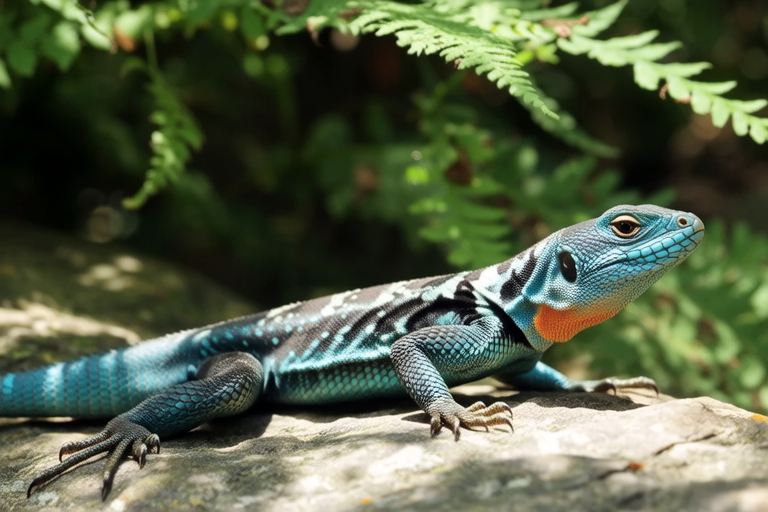
The splendid japalura is easily recognizable by its vibrant colors and intricate patterns. Adult males typically display a striking combination of orange, red, and black, with females being slightly duller in comparison. One of the most distinctive features of this gecko is its prehensile tail, which it uses for balance and climbing. Unlike some other geckos, the splendid japalura cannot regenerate its tail if lost, making it all the more important to handle them gently.
Another unique physical trait is their adhesive toe pads, which enable them to climb smooth surfaces with ease. These specialized structures are composed of millions of tiny hair-like projections called setae, each tipped with hundreds of even smaller structures known as spatulae. This allows the gecko to maintain a strong grip without relying on suction or claws.
2. Habitat and Natural Environment
Native to southeastern China and northern Vietnam, splendid japaluras inhabit rocky areas, cliffs, and limestone formations. They prefer cool, humid environments and are often found in crevices, under rocks, or within caves. In the wild, they are most active during twilight hours, when temperatures are milder and prey is more abundant.
These geckos are highly adaptable and can thrive in various habitats as long as their basic needs are met. However, they do require a certain level of humidity and temperature control to stay healthy. In captivity, replicating their natural environment is crucial for their well-being.
3. Behavior and Social Structure
Splendid japaluras are primarily solitary animals, preferring to live alone rather than in groups. While they may tolerate the presence of others, territorial disputes can arise, especially among males. Males are particularly aggressive during mating season and should be housed separately from females unless breeding is intended.
Despite their solitary nature, splendid japaluras are quite active and curious. They spend much of their time exploring their surroundings, hunting for insects, and basking in the warmth of their enclosure. Providing ample hiding spots and climbing opportunities is essential to keeping them mentally stimulated and physically healthy.
4. Diet and Feeding Habits
In the wild, splendid japaluras feed on a variety of small insects, including crickets, mealworms, and waxworms. They are opportunistic hunters, ambushing their prey with quick strikes and powerful jaws. In captivity, a balanced diet of gut-loaded feeder insects dusted with calcium and vitamin supplements is recommended.
It’s important to note that while these geckos enjoy a diverse diet, they should not be fed overly fatty or high-protein foods, as this can lead to health issues such as obesity or kidney problems. Feeding should be done at night, mimicking their natural hunting habits.
5. Reproduction and Lifespan
Reproduction in splendid japaluras is a fascinating process. Breeding typically occurs during the spring and summer months, with males displaying courtship behaviors such as head bobbing and tail waving to attract females. After successful mating, females lay clutches of two eggs, which they carefully guard until hatching.
The incubation period lasts approximately six to eight weeks, after which the young geckos emerge fully formed and independent. Under optimal conditions, splendid japaluras can live up to 15 years in captivity, making them a long-term commitment for owners.
6. Care Requirements and Housing
Proper housing is crucial for the health and happiness of splendid japaluras. A spacious terrarium with plenty of vertical space is ideal, allowing them to climb and explore freely. The enclosure should be equipped with multiple hiding spots, branches, and rocks to provide stimulation and security.
Maintaining the right temperature gradient is also vital, with a warm side ranging between 85-90°F (29-32°C) and a cooler side around 70-75°F (21-24°C). Humidity levels should be kept between 60-80%, with regular misting to prevent dehydration.
7. Myths and Misconceptions
One common misconception about splendid japaluras is that they are easy to care for due to their small size. While they may appear low-maintenance, these geckos have specific environmental and dietary needs that must be met to ensure their longevity. Another myth is that they can survive on a diet of commercial gecko food alone. In reality, a varied diet of live insects is necessary for their overall health.
Additionally, there is a belief that handling these geckos frequently is beneficial for bonding. However, splendid japaluras are delicate creatures, and excessive handling can cause stress and injury. It’s best to limit interactions and observe them from a distance.
8. Conservation Status and Threats
The splendid japalura is listed as Near Threatened on the IUCN Red List, primarily due to habitat destruction and overcollection for the pet trade. Deforestation and urbanization have significantly reduced their natural habitat, while illegal poaching continues to pose a threat.
As responsible pet owners, it’s important to support sustainable breeding practices and avoid purchasing wild-caught specimens. By doing so, we can help protect this species and ensure its survival for future generations.
9. Health Concerns and Common Issues
Like all reptiles, splendid japaluras are prone to certain health issues if not properly cared for. Metabolic bone disease (MBD) is a common problem, caused by calcium deficiency and inadequate UVB lighting. Signs of MBD include softening of the bones, lethargy, and difficulty moving.
Respiratory infections can also occur if the enclosure is too damp or if the gecko is exposed to cold drafts. Regular monitoring of their environment and prompt treatment at the first sign of illness is key to maintaining their health.
10. Conclusion: A Delightful Addition to Any Collection
The splendid japalura is a remarkable species with many unique qualities that make it a delightful addition to any reptile collection. From its striking appearance to its intriguing behaviors, there’s always something new to discover about these fascinating geckos. By understanding their specific needs and providing appropriate care, you can ensure a long and happy life for your splendid japalura.
Whether you’re an experienced herpetologist or a novice reptile owner, taking the time to learn about splendid japaluras will enrich your experience and deepen your appreciation for these wonderful creatures. With proper care and attention, your splendid japalura will become a cherished member of your family for years to come.
