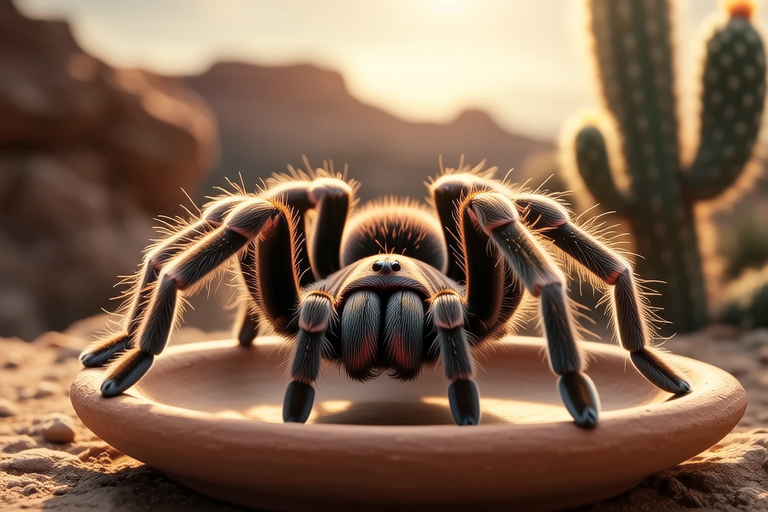
From Desert to Home: The Unique World of the Chilean Rose Tarantula
The Chilean Rose Tarantula, Grammostola rosea, is one of the most popular tarantulas among hobbyists and arachnid enthusiasts alike. Originating from the arid regions of northern Chile, this species has captivated the hearts of many with its unique appearance and fascinating behaviors. With a body that can grow up to three inches long and a leg span of approximately six inches, the Chilean Rose Tarantula boasts a beautiful rose-pink hue that fades to a dark brown as it ages. This striking coloration, combined with its relatively docile temperament, makes it a favorite among those who appreciate the beauty and mystery of these eight-legged creatures.
Natural Habitat: Thriving in the Deserts of Chile
The natural habitat of the Chilean Rose Tarantula is the vast, dry desert regions of northern Chile. These deserts are characterized by their extreme temperatures, ranging from scorching hot during the day to freezing cold at night. Despite these harsh conditions, the Chilean Rose Tarantula has adapted remarkably well. It burrows deep into the sand, creating a cozy retreat where it can avoid the harshest elements of the environment. These burrows serve multiple purposes; they provide shelter from predators, regulate temperature, and offer a safe space to molt and lay eggs.
One of the most remarkable adaptations of the Chilean Rose Tarantula is its ability to conserve water. In the arid environment of the Atacama Desert, where this species thrives, water is scarce. To combat this, the tarantula has developed specialized hairs on its body that help it retain moisture. Additionally, it can go for extended periods without drinking water, relying instead on the humidity it creates within its burrow and the moisture found in its prey.
Behavior, Diet, and Survival Tactics
Chilean Rose Tarantulas are solitary creatures, spending most of their lives alone. They are nocturnal, meaning they are most active during the night, when temperatures are cooler and prey is more abundant. During the day, they remain hidden in their burrows, conserving energy and avoiding the heat.
When it comes to diet, these tarantulas are opportunistic hunters. They primarily feed on small insects like crickets, mealworms, and other arthropods. Larger specimens may occasionally take down small vertebrates, such as lizards or mice. Their hunting strategy involves lying in wait at the entrance of their burrow, ready to ambush passing prey. Once caught, they inject venom into their victim through their fangs, immobilizing it before consuming it.
One of the most intriguing aspects of the Chilean Rose Tarantula is its defense mechanism. When threatened, it can release urticating hairs from its abdomen. These tiny, barbed hairs are irritating to the skin and eyes of potential predators, providing the tarantula with a crucial escape tool. While these hairs are harmless to humans, it is advisable to handle the tarantula with care to avoid accidental exposure.
Caring for the Chilean Rose Tarantula as a Pet
For those interested in keeping a Chilean Rose Tarantula as a pet, there are several important considerations to ensure the health and happiness of your new companion.
Housing
The first step in providing a suitable home for your tarantula is to create an enclosure that mimics its natural environment. A glass or plastic tank with a secure lid is ideal. The size of the tank should be proportional to the size of the tarantula, with a general rule being twice the length of the spider’s leg span. Substrate, such as coconut fiber or reptile bark, should be provided to allow for burrowing. A shallow water dish and hiding spots, such as cork bark or half logs, will also be appreciated.
Feeding
Feeding a Chilean Rose Tarantula is relatively straightforward. Crickets, mealworms, and dubia roaches are all suitable food options. The frequency of feeding depends on the age and size of the tarantula, but generally, once a week is sufficient. It’s important to dust the feeder insects with calcium and vitamin supplements to ensure proper nutrition.
Handling
While the Chilean Rose Tarantula is generally docile, it is essential to handle it with care. Always support the spider’s entire body, avoiding contact with its legs or abdomen. Use a soft brush or paper towel to gently coax the tarantula out of its enclosure if necessary. Frequent handling is not recommended, as tarantulas prefer solitude and can become stressed by too much interaction.
Misconceptions and Why They Make Fascinating Pets
Despite their growing popularity, tarantulas still face many misconceptions. One common myth is that they are aggressive and dangerous. While it’s true that tarantulas have venom, their bite is rarely harmful to humans. Another misconception is that they are difficult to care for. In reality, with the right knowledge and attention, keeping a Chilean Rose Tarantula can be a rewarding experience.
For the right owner, the Chilean Rose Tarantula makes an excellent pet. Its calm demeanor, coupled with its fascinating behaviors and unique appearance, provides endless opportunities for observation and learning. Owning a tarantula can also foster a deeper appreciation for the diversity of life on our planet and encourage responsible stewardship of our natural resources.
In conclusion, the Chilean Rose Tarantula is a remarkable creature with a rich history and a unique place in the world of arachnids. From its origins in the deserts of Chile to its thriving presence in homes around the globe, this species continues to captivate and inspire. By understanding its needs and behaviors, we can ensure that these amazing animals thrive in captivity, offering a window into the wonders of the natural world.
