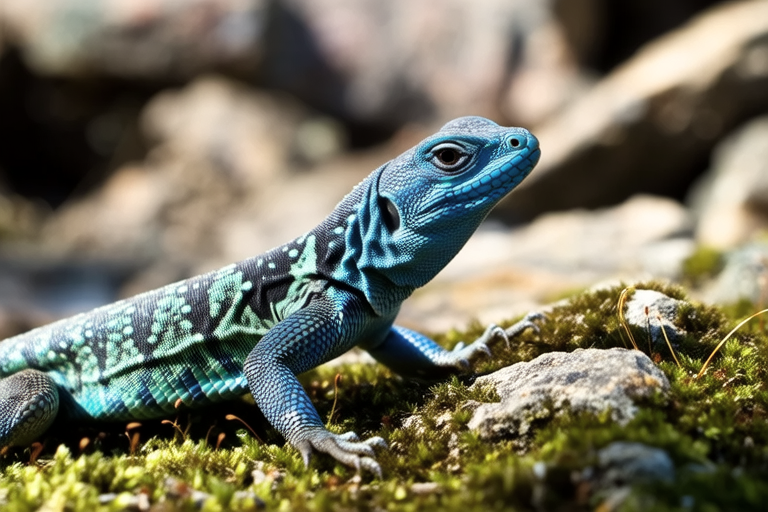
Splendid Japalure Unveiled: Everything You Need to Know Before Adoption
Welcome to the enchanting world of Japalures! These fascinating creatures are a delightful blend of charm and uniqueness, making them a sought-after choice for many animal enthusiasts. Known for their vibrant colors and engaging personalities, Japalures are not just pets but companions that can bring joy and warmth into your home. This comprehensive guide will help you understand everything about these splendid creatures, from their origins to their dietary needs, ensuring you are well-prepared for the journey of adopting a Japalure.
Introduction to Japalures: A Unique Pet
Japalures, also known as Japalura lizards, are a genus of agamid lizards native to Southeast Asia. Their name is derived from the Indonesian word ‘japal’ which means ‘foot,’ and ‘lure,’ reflecting their distinct foot structure. These reptiles are characterized by their colorful scales, varying from bright greens and blues to deep reds and oranges, depending on the species. One of the most striking features of Japalures is their ability to change color based on their mood or environment, making each one a unique work of art.
Origin and Ideal Living Conditions
Japalures originate from the lush, tropical forests of Indonesia, Malaysia, and Thailand. They thrive in environments with high humidity and temperatures ranging between 75°F to 90°F (24°C to 32°C). To replicate their natural habitat, it’s essential to provide a spacious vivarium with ample vertical space for climbing and hiding spots. The vivarium should be equipped with UVB lighting, a heat lamp, and a water dish. Substrates like coconut fiber or bark chips are recommended to maintain the necessary humidity levels.
Dietary Needs
Japalures are omnivorous, feeding primarily on insects, fruits, and vegetables. Their diet should consist of a variety of crickets, mealworms, and waxworms, supplemented with leafy greens such as kale, spinach, and collard greens. It’s important to gut-load feeder insects with nutritious food before offering them to your Japalure to ensure they receive adequate nutrients. Additionally, a calcium and vitamin D3 supplement should be provided weekly to prevent deficiencies.
Common Health Issues
Like any pet, Japalures can face certain health challenges. Metabolic bone disease (MBD) is a common issue caused by a lack of calcium or insufficient exposure to UVB light. Signs of MBD include lethargy, weak limbs, and difficulty moving. Regular check-ups with a veterinarian specializing in reptiles can help catch and address health issues early. Other common problems include respiratory infections and parasites, which can often be prevented with proper hygiene and a clean environment.
Behavior and Temperament
Japalures are generally docile and easygoing, making them excellent pets for families. They are curious and active, often spending time exploring their surroundings. While they may not be as interactive as some other pets, they enjoy observing their environment and can become quite comfortable with gentle handling. Their temperament makes them particularly suitable for households with children, provided the children are taught to handle them gently and respect their space.
When introduced to new pets, Japalures tend to be cautious but can coexist peacefully with other calm animals. It’s crucial to supervise interactions initially and ensure there is enough space for each pet to retreat if needed. They are territorial, so introducing another Japalure to the same vivarium requires careful planning and gradual acclimation.
Tips for Choosing the Right Japalure
Choosing the right Japalure is crucial for a successful adoption. Look for a healthy individual with clear eyes, glossy skin, and no signs of injury or illness. Observe their movement; they should be alert and responsive. Reputable breeders are essential when looking for a Japalure. Research breeders thoroughly, checking reviews and visiting their facilities if possible. Ask about the lineage, care practices, and any available health records. Transparency and willingness to answer questions are key indicators of a reliable breeder.
The Adoption Process
The adoption process begins with preparation. Ensure your vivarium is set up correctly, including all necessary equipment and supplies. Once you’ve chosen a Japalure, arrange for transportation carefully, keeping them secure and comfortable during the move. Upon arrival, give your new friend time to adjust to their new home. Introduce them gradually to handling and routine care, allowing them to feel safe and secure.
Long-Term Care and Joys of Ownership
Long-term care involves maintaining a consistent environment, providing regular veterinary check-ups, and enriching their vivarium with new toys and climbing structures. Regular cleaning and monitoring of humidity and temperature levels are vital to their health. The joy of owning a Japalure lies in their unique beauty and the bond that forms over time. Watching them explore, change colors, and interact with their environment brings endless fascination and delight.
In conclusion, adopting a Japalure is a rewarding experience filled with discovery and companionship. By understanding their needs and providing proper care, you can ensure a happy and healthy life for your new pet. Embrace the journey of learning about these splendid creatures and enjoy the countless moments of joy they bring into your home.
