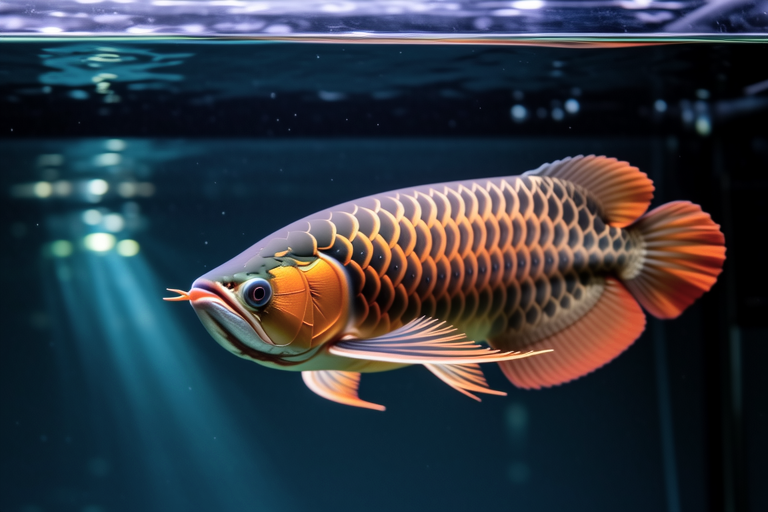
From Amazon to Aquarium: Discovering the Exotic Arowana
The arowana, often referred to as the “dragon of the water,” is a species of freshwater bony fish that has captured the imagination of many due to its striking appearance and rich history. With a lineage stretching back millions of years, these ancient fish have evolved into some of the most captivating creatures found in the aquatic world. Their elongated bodies, adorned with shimmering scales, and their ability to leap out of the water make them a true spectacle for any observer.
Ancient Origins and Historical Significance
Originating from prehistoric times, arowanas have been revered in various cultures for their mythical qualities. In Southeast Asia, they are believed to bring good luck and prosperity, often associated with dragons in folklore. The Chinese, in particular, consider the arowana a symbol of wealth and success, making it a popular choice for those seeking to enhance their fortune. This reputation as a harbinger of good fortune has led to the arowana’s widespread popularity, especially among collectors and enthusiasts who appreciate its unique charm.
Natural Habitat and Behavior
Found primarily in tropical regions, arowanas inhabit slow-moving rivers, floodplains, and swamps. They thrive in environments rich in vegetation, where they can find shelter and prey. These fish are known for their predatory nature, feeding on insects, small fish, and even birds that venture too close to the water’s surface. Their powerful jaws and sharp teeth enable them to seize their prey with remarkable precision. Arowanas are also territorial, often defending their space against other fish, which can lead to aggressive behavior if not properly managed in captivity.
Adaptation to Aquarium Life
Despite their formidable presence in the wild, arowanas can adapt well to aquarium life when provided with the appropriate conditions. However, due to their large size and specific needs, they require a significant investment in terms of space and resources. Arowanas need a spacious tank, ideally at least 200 gallons for a single adult, to ensure they have enough room to swim and exhibit their natural behaviors. Additionally, the water quality must be meticulously maintained, with parameters such as temperature, pH, and oxygen levels kept within optimal ranges.
Tank Setup and Care Requirements
Setting up an appropriate environment for an arowana involves more than just providing ample space. The tank should include plenty of hiding spots, such as caves or dense planting, to mimic their natural habitat. Water conditions must be stable, with a pH between 6.0 and 7.5 and temperatures ranging from 75°F to 84°F. Regular water changes and efficient filtration systems are essential to maintain water quality. Feeding arowanas can be challenging, as they are carnivorous and require a diet rich in protein. Suitable foods include live or frozen fish, shrimp, and pellets designed for predatory species.
Jumping Abilities and Parental Care
One of the most fascinating aspects of arowanas is their ability to jump out of the water. This behavior, often observed when hunting or during mating rituals, showcases their agility and strength. In the wild, they leap to catch insects and small birds flying above the water. In captivity, this behavior can be a source of entertainment but also poses risks, as they can easily injure themselves against the tank’s glass. Proper tank setup includes a secure lid to prevent escapes and injuries.
Arowanas also display impressive parental care. Males are known to guard the eggs and fry, carrying them in their mouths for protection until the young are capable of fending for themselves. This level of dedication to offspring underscores the complexity of their social behaviors and the importance of providing a nurturing environment for breeding pairs.
Cultural Significance and Myths
The cultural significance of arowanas extends beyond their physical attributes. In addition to their role in bringing good fortune, these fish are often seen as symbols of strength and resilience. Across different regions, myths and legends have grown around their mysterious origins and abilities. For instance, in Brazil, the arowana is sometimes linked to indigenous beliefs, where it is thought to possess magical powers. Similarly, in Malaysia, the fish is considered a guardian spirit, protecting homes and families from harm.
In conclusion, the arowana is not only a magnificent creature to behold but also a testament to the diversity and adaptability of life in our planet’s waters. Whether you are a seasoned aquarist or a curious beginner, the arowana offers a unique opportunity to connect with one of nature’s most captivating species. By understanding their needs and respecting their history, we can continue to appreciate and protect these ancient fish for generations to come.
