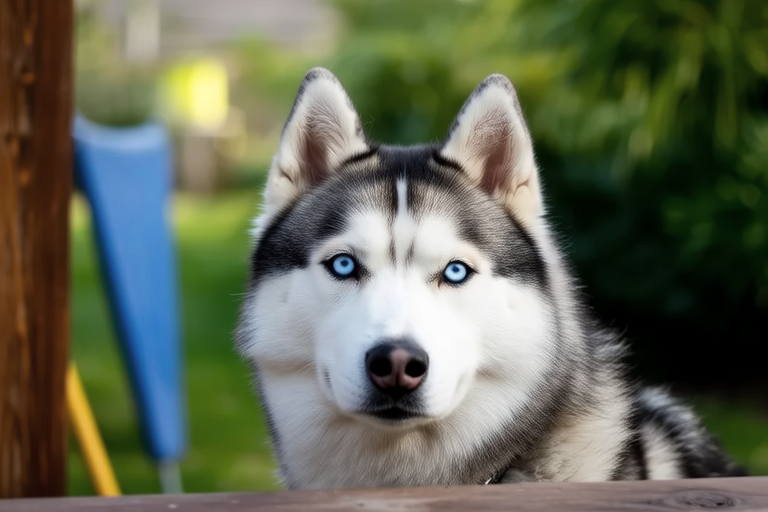
The Ultimate Guide to Training Your Energetic Siberian Husky
Siberian Huskies are known for their striking appearance and high energy levels, making them a popular choice for many dog enthusiasts. However, these beautiful dogs come with a unique set of challenges that require specific training approaches. This guide will walk you through the essentials of training your Siberian Husky, from understanding their distinct traits to tackling common behavioral issues.
Understanding Your Siberian Husky
Before diving into training, it’s crucial to understand what makes Siberian Huskies unique. These dogs are intelligent, independent, and have strong hunting instincts. They were originally bred by the Chukchi people of Siberia to pull sleds across long distances, which explains their endurance and high energy. Their intelligence means they can be quite clever but also challenging to train if not approached correctly.
One of the most important things to remember about Siberian Huskies is their need for mental stimulation. Boredom can lead to destructive behavior, so keeping them engaged is key. Additionally, they tend to be more aloof than other breeds, meaning they may not always be as eager to please their owners as some other dogs might be. Patience and consistent training are vital when dealing with this breed.
Basic Obedience Training
Training your Siberian Husky starts with establishing a routine that includes basic commands like ‘sit,’ ‘stay,’ ‘come,’ and ‘leave it.’ Start training sessions when your dog is calm and relaxed; this could be right after playtime or a short walk. Keep each session short—about 10 minutes—to maintain their focus.
Positive reinforcement is highly effective with Siberian Huskies. Reward good behavior with treats, praise, and affection. For example, when teaching ‘sit,’ hold a treat above your dog’s head and say ‘sit’ while guiding them into position. Once they sit, immediately give them the treat and praise them enthusiastically. This method helps reinforce the desired behavior and strengthens the bond between you and your dog.
Avoid harsh corrections or punishment-based training, as it can lead to fear or aggression. Instead, focus on redirecting unwanted behaviors. If your Husky starts barking excessively, calmly take them away from the situation and offer an alternative activity, such as playing fetch or giving them a chew toy.
Harnessing Their Energy Through Exercise
Given their high energy levels, Siberian Huskies need plenty of physical activity. Daily walks and runs are essential, but they should also have opportunities for off-leash running in safe areas. Agility courses, hiking, and swimming are great ways to keep them physically challenged and mentally stimulated.
Incorporating training into their exercise routine can be beneficial. For instance, teach your dog to heel during walks. This not only ensures safety but also provides mental engagement. You can start by walking beside your dog, holding the leash loosely, and rewarding them whenever they walk beside you without pulling.
Remember, tired dogs are often well-behaved dogs. Ensuring your Siberian Husky gets enough exercise daily will make them more manageable and less likely to engage in destructive behaviors at home.
Socialization Tips
Socializing your Siberian Husky is crucial for their development into a well-rounded and friendly adult dog. Introduce them to various environments, people, and other animals from a young age. Positive experiences during puppyhood can help prevent fearfulness and aggression later in life.
Begin socialization at home by inviting friends over to meet your puppy. As they grow older, take them to dog parks, pet stores, and other public places where they can interact with different stimuli. Always supervise these interactions to ensure safety and intervene if any signs of aggression appear.
Teaching your Husky to greet people politely is also important. When someone visits, have them ignore your dog initially. Once your dog calms down, have the visitor offer a treat and some gentle praise. This teaches your dog that visitors are something to be excited about rather than feared.
Problem-Solving Common Behavioral Issues
Despite proper training, Siberian Huskies can exhibit some problematic behaviors. Here are a few common issues and how to address them:
- Barking and Howling: Siberian Huskies are vocal dogs, often barking or howling to communicate. To reduce excessive noise, teach your dog the ‘quiet’ command. When they bark, cover your mouth or plug your ears and say ‘quiet.’ Once they stop, reward them with a treat. Consistency is key here.
- Destructive Behavior: Boredom or lack of exercise can lead to chewing, digging, or scratching. Providing appropriate toys and ensuring they get enough physical activity can help mitigate this issue. Rotate their toys regularly to keep them interested and engaged.
- Escape Attempts: Siberian Huskies are notorious for trying to escape fenced yards. Regularly check the integrity of your fence and consider installing additional barriers if necessary. Teaching your dog to stay within boundaries can also be part of your training regimen.
Addressing these issues requires patience and persistence. Remember, every dog is different, so what works for one may not work for another. It’s important to tailor your approach based on your individual dog’s needs and temperament.
Maintaining Consistency in Training Methods
Consistency is paramount when training your Siberian Husky. Use the same commands and signals consistently to avoid confusion. Establish clear rules and boundaries early on, and stick to them. If you allow your dog to jump up on the couch today but not tomorrow, they won’t understand why it’s suddenly wrong.
It’s also important to involve all family members in the training process. Everyone should use the same commands and follow the same rules. This creates a unified front and reinforces the training efforts. Regular practice sessions help solidify learned behaviors and prevent regression.
Finally, remember that training is a continuous process. Even once your Siberian Husky has mastered basic commands, there will always be new situations to navigate. Stay patient and keep practicing, and you’ll build a strong, loving relationship with your furry companion.
Conclusion
Training your Siberian Husky requires understanding their unique traits, employing positive reinforcement, and maintaining consistency. By harnessing their energy through exercise, socializing them properly, and addressing common behavioral issues, you can create a well-behaved and happy dog. Remember, every dog is an individual, and what works for one may not work for another. The key is to remain patient, consistent, and loving throughout the training process.
