The Fascinating World of Heterometrus Spinifer: A Comprehensive Guide
Introduction:
Welcome to the captivating world of Heterometrus spinifer, a fascinating species of scorpion native to Southeast Asia. Known for its distinctive features and intriguing behavior, this scorpion has gained popularity among enthusiasts seeking an exotic pet. This article delves into the unique characteristics, habitat, diet, care requirements, and suitability as a pet of the Heterometrus spinifer. Additionally, we will explore its behavior, handling techniques, common health issues, and essential tips for potential owners.
Unique Characteristics
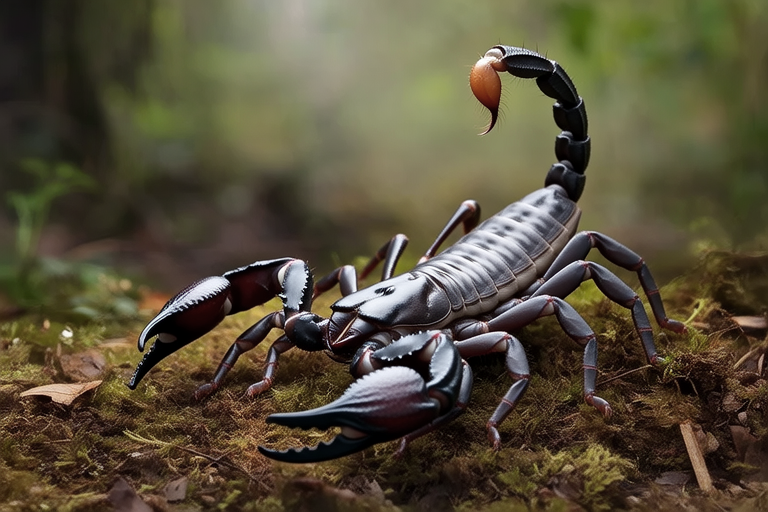
The Heterometrus spinifer stands out due to its robust appearance and striking coloration. Adult specimens can grow up to 8 inches in length, with a thick, segmented tail and powerful pincers. The body is typically dark brown or black, contrasting with the lighter-colored legs and pedipalps. One of the most notable features of this species is the presence of small spines along the tail, which give it its name.
These spines serve multiple purposes. They aid in defense by creating a deterrent effect when threatened. Additionally, they assist in prey capture by increasing grip strength and providing better leverage during attacks. The venom glands located at the base of the stinger produce a potent neurotoxin that immobilizes small insects and other arthropods. While the venom is not considered lethal to humans, it can cause significant pain and swelling if stung.
Habitat and Distribution
Native to Southeast Asia, specifically Thailand, Malaysia, and Indonesia, the Heterometrus spinifer thrives in tropical rainforests and humid environments. It prefers areas with dense vegetation, rocky crevices, and burrows where it can hide from predators and maintain optimal humidity levels. In the wild, these scorpions are primarily nocturnal, emerging after sunset to hunt for food and avoid daytime heat.
Within their natural habitat, Heterometrus spinifer scorpions face numerous threats, including predation by birds, reptiles, and larger arthropods. To survive, they rely on their camouflage abilities, quick reflexes, and venomous sting to defend themselves against potential dangers. Their preference for humid environments ensures that they remain hydrated and healthy throughout the year.
Diet
The Heterometrus spinifer is an opportunistic predator, feeding on a variety of insects, spiders, and small vertebrates. In captivity, a balanced diet consisting of crickets, mealworms, superworms, and occasional pinky mice provides adequate nutrition. Juvenile scorpions require smaller prey items like pinhead crickets or dubia roaches to ensure proper growth and development.
Feeding frequency depends on the age and size of the scorpion. Younger individuals may need to be fed every 3-4 days, while adults can be fed once weekly. It’s crucial to provide appropriate-sized prey to prevent overfeeding, which can lead to obesity and related health issues. Additionally, ensuring that the prey is gut-loaded (fed nutritious foods before being offered to the scorpion) enhances the nutritional value of each meal.
Care Requirements
Maintaining optimal conditions for Heterometrus spinifer requires attention to several key factors, including enclosure size, substrate, temperature, humidity, and lighting. A spacious terrarium measuring at least 18x18x12 inches (46x46x30 cm) provides ample space for movement and exploration. The enclosure should have secure ventilation to prevent escape but still retain sufficient humidity inside.
A layer of coconut fiber or sphagnum moss serves as an ideal substrate, promoting burrowing behavior and maintaining moisture levels. The substrate should be kept damp but not soggy to mimic the scorpion’s natural environment. Temperature within the enclosure should range between 75-85°F (24-29°C), with a humidity level of 70-80%. Use a hygrometer and thermometer to monitor these parameters regularly and adjust as necessary.
Provide hiding spots such as cork bark, rocks, or commercially available shelters to offer security and reduce stress. Proper lighting is essential; however, direct sunlight should be avoided as it can cause overheating. Instead, use a low-wattage bulb or under-tank heating pad to maintain consistent warmth without excessive light exposure.
Suitability as a Pet
Despite its intimidating appearance, the Heterometrus spinifer makes an excellent choice for experienced hobbyists interested in exotic pets. Its relatively docile nature, combined with minimal maintenance requirements, appeals to those who desire a low-maintenance yet visually striking companion. However, potential owners must be aware of the legal restrictions surrounding exotic animals in certain regions.
Before adopting a Heterometrus spinifer, research local regulations regarding ownership, importation, and care of exotic species. Some areas may require permits or licenses, while others prohibit possession entirely. Ensure you can commit to providing long-term care, as scorpions can live upwards of 8 years with proper husbandry.
Behavior
The Heterometrus spinifer exhibits interesting behaviors that reflect its solitary and nocturnal lifestyle. During the day, it remains hidden within its burrow or shelter, conserving energy and avoiding predators. At night, it becomes more active, venturing out to search for food and interact with its surroundings.
While generally calm, these scorpions may display defensive postures when threatened, raising their tails and arching their bodies in preparation for a strike. Handling should be approached cautiously, allowing the scorpion time to acclimate to human presence before attempting gentle interaction. Regular observation helps familiarize the animal with its keeper, potentially reducing stress during routine tasks like feeding or cleaning.
Handling Techniques
When handling Heterometrus spinifer, safety is paramount. Always wear thick gloves made from leather or neoprene to protect your hands from accidental stings. Use tongs or forceps to gently coax the scorpion out of its enclosure if necessary. Avoid sudden movements or loud noises that could startle the animal, causing it to become defensive.
During interactions, allow the scorpion to move freely across your gloved hand or a padded surface. Never squeeze or restrain the animal, as this may provoke aggression. If bitten or stung, immediately wash the affected area with soap and water and apply ice packs to reduce inflammation. Seek medical attention if symptoms persist or worsen.
Common Health Issues
Like any living creature, Heterometrus spinifer can encounter various health problems. Respiratory infections, characterized by labored breathing and mucus production, often result from poor ventilation or excessive moisture within the enclosure. Address these issues promptly by improving airflow and reducing humidity levels.
Parasitic infestations, such as mites or ticks, pose another threat to captive scorpions. Regular inspection and treatment with veterinarian-approved products help prevent outbreaks. Obesity, caused by overfeeding, leads to reduced mobility and increased risk of organ failure. Maintaining a balanced diet and exercise regimen minimizes these risks.
Metabolic bone disease, resulting from calcium deficiency, affects skeletal integrity and muscle function. Ensure dietary supplementation with calcium powder and UVB lighting promotes proper absorption of nutrients. Consult a veterinarian specializing in exotic animals for further guidance on diagnosis and treatment options.
Tips for Potential Owners
Purchasing a healthy specimen is crucial for long-term success. Choose a reputable breeder or supplier known for ethical practices and quality assurance. Ask questions about breeding history, feeding schedules, and general health status before making a purchase.
Invest in educational resources, such as books, online forums, and workshops, to deepen your understanding of Heterometrus spinifer care. Join local or online communities dedicated to exotic pets for support, advice, and shared experiences.
Lastly, always prioritize the well-being of your scorpion above aesthetics or personal preferences. Providing a safe, comfortable environment fosters trust and enjoyment for both you and your new pet.
Conclusion:
The Heterometrus spinifer offers a unique opportunity for enthusiasts to connect with one of nature’s most intriguing creatures. By understanding its unique characteristics, habitat, diet, care requirements, and behavior, potential owners can ensure a rewarding and enriching experience. With proper attention to detail and commitment to responsible pet ownership, keeping a Heterometrus spinifer can be both educational and enjoyable.
