From Backyard Hops to Internet Fame: The Journey of the Dutch Dwarf Rabbit
The Dutch Dwarf rabbit, a charming and diminutive breed, has captured the hearts of many pet lovers with its unique appearance, gentle temperament, and compact size. Originating from the Netherlands in the early 1900s, these rabbits have a rich history that intertwines with the evolution of rabbit keeping as a hobby. Their journey from humble backyard beginnings to becoming internet sensations is a testament to the enduring appeal of these small, sociable creatures.
Unique Characteristics of Dutch Dwarf Rabbits
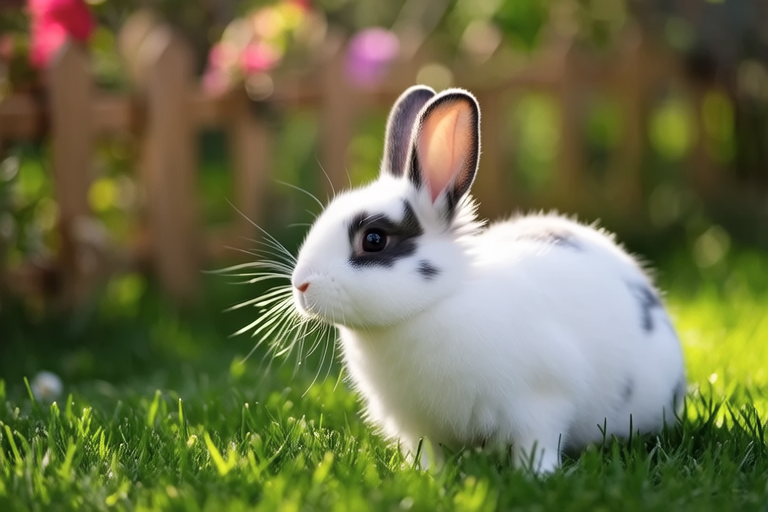
Dutch Dwarfs are known for their striking appearance, characterized by their large, round heads, short ears, and distinctively colored markings. Typically, they sport a white base coat with contrasting colors on their ears, nose, tail, and feet. These rabbits are among the smallest domestic breeds, weighing between 2 and 3 pounds fully grown. Despite their small size, Dutch Dwarfs are robust and healthy, making them ideal pets for families and individuals alike.
One of the most appealing aspects of Dutch Dwarfs is their friendly and adaptable temperament. They are generally docile, curious, and easy to handle, which makes them perfect companions for both novice and experienced rabbit owners. Their playful nature often leads to endearing antics that can bring joy to any household.
Origins and Popularity
The Dutch Dwarf rabbit was developed by crossing the Netherland Dwarf with other breeds, including the Belgian Hare, to create a rabbit with a more desirable size and temperament. Initially, these rabbits were kept primarily for meat production and fur, but their appealing traits soon made them popular as pets. By the mid-20th century, Dutch Dwarfs had become a staple in rabbit shows across North America, where enthusiasts could admire their unique coloration and conformation.
The breed’s popularity grew steadily as people recognized the benefits of keeping these rabbits as pets. Their small size makes them suitable for smaller living spaces, and their friendly nature ensures they get along well with children and other household pets. As rabbit keeping became more widespread, so did the demand for Dutch Dwarfs, leading to increased breeding efforts and the establishment of breed standards.
Challenges and Improvements in Backyard Settings
Despite their growing popularity, Dutch Dwarfs faced several challenges in backyard settings. Early breeders struggled with maintaining consistent size and health in the breed due to genetic issues and improper breeding practices. Many rabbits exhibited health problems such as respiratory infections, dental issues, and obesity. Additionally, some Dutch Dwarfs displayed aggressive or skittish behavior, making them less suitable as pets.
To address these challenges, dedicated breeders worked tirelessly to improve the breed’s overall quality. Through selective breeding and careful attention to diet and care, breeders managed to reduce the incidence of common health problems and enhance the temperament of Dutch Dwarfs. Today, the breed is known for its robust health and friendly disposition, ensuring that these rabbits remain popular choices for pet owners.
The Rise to Internet Fame
The turning point in the Dutch Dwarf rabbit’s journey came when one particular rabbit named “Bunny” rose to internet fame. Bunny’s owner, an avid social media user, began sharing photos and videos of her pet on various platforms, showcasing Bunny’s playful personality and distinctive appearance. The posts quickly gained traction, attracting thousands of followers who were captivated by Bunny’s charm and antics.
Bunny’s rise to stardom was marked by viral moments that resonated with viewers. One memorable video showed Bunny leaping into the air with a toy in its mouth, capturing the essence of a happy, energetic rabbit. Another post featured Bunny snuggling up to its owner, demonstrating the close bond that can develop between rabbits and their caretakers. These heartwarming scenes helped to humanize the breed and fostered a deeper connection between Bunny’s followers and Dutch Dwarfs in general.
The Impact of Internet Fame
Bunny’s internet fame had a significant impact on increasing awareness and popularity of the Dutch Dwarf rabbit breed. The exposure garnered through social media platforms introduced countless new audiences to the joys of keeping Dutch Dwarfs as pets. Potential owners became more aware of the breed’s unique qualities and the responsibilities involved in caring for them properly.
In addition to raising awareness, Bunny’s fame also contributed to the promotion of ethical breeding practices. Many followers expressed interest in adopting Dutch Dwarfs from reputable breeders, ensuring that these rabbits were raised in loving homes. This shift in public perception underscored the importance of responsible ownership and the need for potential owners to research and understand the needs of the breed before bringing one home.
Broader Implications for Dutch Dwarf Rabbits
The success of Bunny and other Dutch Dwarfs in gaining internet fame has broader implications for the breed in terms of breeding standards, adoption rates, and their role in pet culture. The increased visibility has led to greater scrutiny of breeding practices, encouraging breeders to adhere to higher standards to maintain the health and temperament of the breed.
Adoption rates for Dutch Dwarfs have risen as more people seek out these lovable creatures as companions. Shelters and rescue organizations have reported an increase in inquiries about Dutch Dwarfs, highlighting the positive impact of Bunny’s fame on promoting responsible pet ownership. Moreover, the breed’s growing popularity has inspired educational initiatives aimed at teaching potential owners about the specific needs of Dutch Dwarfs, ensuring that these rabbits receive the care and attention they deserve.
As Dutch Dwarfs continue to gain prominence in pet culture, they are likely to play an increasingly important role in shaping the future of rabbit keeping. Their journey from backyard hops to internet fame serves as a reminder of the power of social media to connect people with animals and promote animal welfare. In turn, this heightened awareness will help ensure that Dutch Dwarfs remain cherished members of households around the world.
