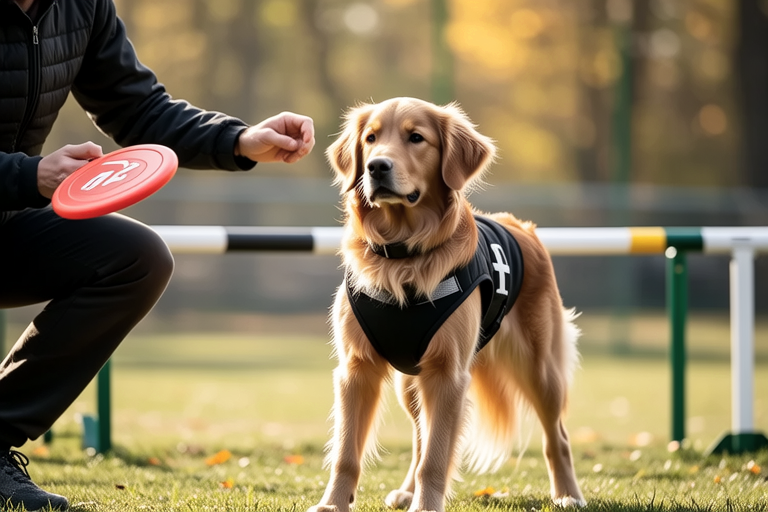
The Ultimate Guide to Training Your Loyal German Shepherd
Understanding Your German Shepherd
German Shepherds are renowned for their loyalty, intelligence, and versatility. These traits make them excellent companions and working dogs. However, these qualities also mean that they require dedicated training and socialization to ensure they become well-rounded pets.
One of the most important aspects of owning a German Shepherd is understanding their high intelligence and energy levels. They are eager to learn and often thrive in environments where they can be mentally and physically stimulated. This makes them ideal candidates for various types of training, from basic obedience to more advanced tasks.
Basic Obedience Training
Starting with basic obedience training is crucial for any new puppy owner. It establishes boundaries and helps your German Shepherd understand what is expected of them. Positive reinforcement is key here; rewarding good behavior ensures your dog associates following commands with positive outcomes.
- Sit: Hold a treat close to your dog’s nose and slowly move it upwards. As your dog looks at the treat, its bottom will naturally lower into a sitting position. Reward with praise and the treat.
- Stay: Begin by having your dog sit or lie down. Extend your hand palm out and say “stay.” Take a few steps back and then return to reward your dog if it hasn’t moved.
- Down: Similar to ‘sit,’ hold a treat in front of your dog and slowly lower it towards the ground. As your dog follows the treat with its nose, its body will naturally follow into a lying down position. Reward this behavior immediately.
- Heel: This command ensures your dog walks beside you without pulling on the leash. Start walking and encourage your dog to walk next to you, rewarding it when it stays by your side.
Consistency is vital in all training sessions. Use the same commands each time and always end on a positive note, reinforcing good behavior.
Importance of Socialization
Proper socialization during puppyhood is essential for German Shepherds as it helps them grow into confident, well-adjusted adults. Expose your puppy to different people, animals, environments, and situations early on to build their confidence and reduce the risk of developing fears or aggression later in life.
Begin socialization at around 3 weeks old and continue until your dog reaches about 14 weeks. During this period, introduce your puppy to various stimuli like children, other dogs, and loud noises. Always supervise interactions to ensure they remain positive experiences.
For older dogs who may have missed out on proper socialization, gradual exposure under controlled conditions can still help. Start with short visits to parks or pet-friendly cafes, gradually increasing the complexity of environments.
Understanding Intelligence and Energy Levels
German Shepherds possess an impressive level of intelligence, which means they need mental stimulation just as much as physical exercise. They excel in activities that challenge their minds, such as puzzle toys, agility courses, or even scent work.
High energy levels demand regular physical activity. Daily walks, runs, or playtime in a secure area are necessary to keep them healthy and happy. Engaging them in activities that match their intelligence and energy can prevent boredom, which might otherwise lead to destructive behaviors.
Training sessions should also incorporate elements that stimulate their minds. Interactive games, teaching tricks, and problem-solving exercises can all contribute to keeping your German Shepherd engaged and learning.
Common Behavioral Issues and Solutions
Despite their intelligence and trainability, German Shepherds can sometimes exhibit problematic behaviors. Addressing these issues promptly and effectively is crucial for maintaining a harmonious relationship with your pet.
- Barking: While barking is natural for dogs, excessive barking can become annoying. Teach your German Shepherd to bark only when necessary. Commands like “quiet” or “enough” paired with treats when they stop barking can be very effective.
- Destructive Behavior: Often caused by boredom or anxiety, providing plenty of toys and ensuring sufficient exercise can help mitigate this issue. Crate training can also provide a safe space for your dog.
- Aggression: Early socialization and consistent training can significantly reduce the likelihood of aggressive behavior. If your dog shows signs of aggression, consult a professional trainer or behaviorist for guidance.
Remember, patience and consistency are key when dealing with behavioral issues. Always approach training with a positive attitude and avoid punishment-based methods.
Advanced Training Opportunities
Once your German Shepherd has mastered basic obedience, there are numerous advanced training opportunities available. Depending on your interests and your dog’s aptitude, you could explore fields such as therapy work, search and rescue, or competitive obedience.
Therapy dogs provide comfort and support to individuals in hospitals, nursing homes, schools, and disaster areas. To become a therapy dog, your German Shepherd must pass certification tests that assess their temperament, obedience, and ability to interact calmly with people.
Search and rescue operations involve locating missing persons, survivors of natural disasters, or evidence in criminal investigations. Training for these roles requires specialized skills and extensive preparation.
Competitive obedience involves participating in trials where dogs perform specific tasks based on predetermined criteria. It’s a great way to bond with your dog while showcasing their abilities.
Conclusion
Raising and training a German Shepherd requires dedication, patience, and a commitment to positive reinforcement. By understanding their unique needs and applying consistent training methods, you can foster a strong bond with your loyal companion. Whether you’re interested in basic obedience, advanced training, or simply ensuring your dog becomes a well-behaved member of the family, the journey promises to be both rewarding and fulfilling.
