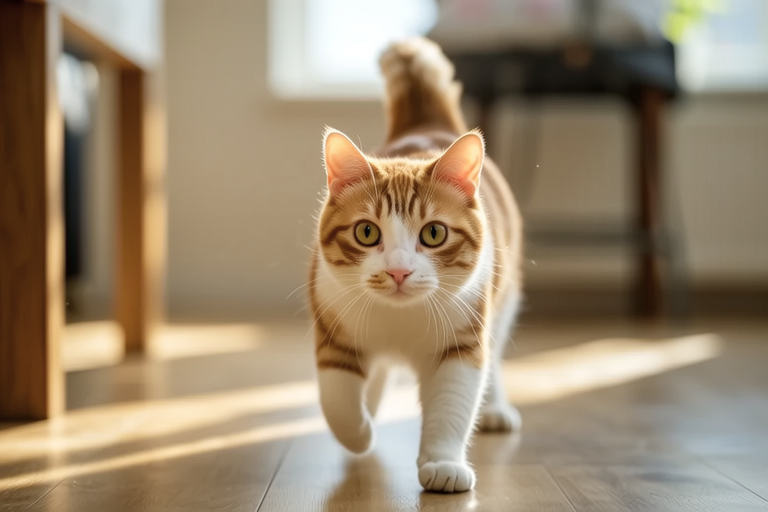
The Ultimate Guide to Caring for Your Lively Orange Tabby
Welcome to the world of orange tabbies! These lively and energetic felines are not just beautiful to look at but also possess unique personalities that make them delightful companions. Whether you’re a seasoned cat owner or welcoming your first feline friend, this guide will provide you with all the information you need to care for your orange tabby.
Dietary Needs
Feeding your orange tabby a balanced diet is crucial for maintaining their health and energy levels. High-quality cat food, rich in protein and essential nutrients, is recommended. Look for food that contains real meat as the primary ingredient, as cats are obligate carnivores. Avoid foods with fillers like corn or wheat, which can cause digestive issues.
Ensure fresh water is always available, especially if you’re feeding dry food. Cats can be picky about water, so consider getting a water fountain to encourage drinking. Consult your veterinarian about specific dietary needs based on your cat’s age, weight, and activity level. Special attention should be given to obesity prevention, as orange tabbies can be prone to weight gain.
Exercise Requirements
Orange tabbies are naturally active and playful, requiring regular exercise to keep them healthy and happy. Interactive toys, such as feather wands or laser pointers, are excellent for engaging their hunting instincts. Climbing trees and scratching posts provide vertical spaces for them to stretch and sharpen their claws.
Consider playing with your cat for at least 15 minutes twice a day. This interaction not only keeps them fit but also strengthens your bond. Remember, mental stimulation is equally important. Puzzle feeders can challenge their minds while providing a fun way to distribute meals throughout the day.
Grooming Tips
Grooming your orange tabby is essential for maintaining their coat’s health and appearance. Regular brushing helps remove loose hair, preventing matting and reducing shedding. Use a soft-bristled brush or a grooming glove to gently massage their skin while removing dead hair.
Bathing should be kept to a minimum, as cats are generally self-grooming. However, if your cat gets particularly dirty, a gentle bath with a cat-specific shampoo may be necessary. Always use lukewarm water and ensure thorough rinsing to avoid skin irritation. Pay special attention to their ears and teeth. Clean their ears with a cotton ball and a gentle cleanser designed for cats. Brush their teeth regularly or provide dental treats to promote oral hygiene.
Health Concerns Specific to Orange Tabbies
While orange tabbies are generally healthy, they may be predisposed to certain conditions. Hypertrophic cardiomyopathy (HCM), a heart disease, can affect some orange tabbies, especially males. Regular veterinary check-ups and early detection are crucial for managing this condition.
Polycystic kidney disease (PKD) is another concern, often found in orange tabbies. This inherited disorder causes cysts to form in the kidneys, potentially leading to kidney failure. Genetic testing can help identify affected cats, allowing for early intervention and management.
Regular vet visits, including vaccinations and routine screenings, are vital for monitoring your cat’s overall health. Discuss any specific health concerns with your veterinarian to develop a tailored care plan.
Training Methods
Training your orange tabby can enhance their behavior and strengthen your bond. Positive reinforcement techniques, such as clicker training or rewarding good behavior with treats, are effective. Teach basic commands like ‘come’ and ‘sit’ by associating a verbal cue with a reward.
Redirecting unwanted behaviors, such as scratching furniture, can be achieved by providing appropriate alternatives like scratching posts. Consistency is key in training. Establish routines and rules early to prevent bad habits from forming.
Advice on Creating a Stimulating Environment
Creating a stimulating environment for your orange tabby is essential for their physical and mental well-being. Provide multiple levels for climbing and perching, as cats enjoy elevated vantage points. Install window perches or shelves to allow them to observe the outside world.
Interactive toys and puzzle feeders offer mental stimulation, keeping your cat engaged and entertained. Rotate toys periodically to maintain interest. Consider setting up a play area with tunnels, boxes, and climbing structures to mimic natural environments.
Behavior and Personality Traits
Orange tabbies are known for their playful and affectionate nature. They often display curiosity and intelligence, making them enjoyable companions. While each cat has its own personality, many orange tabbies are sociable and enjoy interacting with their human families.
Understanding your cat’s behavior is key to building a strong relationship. Pay attention to their body language and vocalizations. Some common signs of contentment include purring, kneading, and rubbing against you. Recognizing these signals can help you better understand your cat’s needs and preferences.
Socializing with Other Pets and Humans
Introducing your orange tabby to other pets requires patience and gradual exposure. Start by creating separate areas for each pet, allowing them to become accustomed to each other’s scents. Supervise initial interactions closely and intervene if conflicts arise.
When introducing your orange tabby to new humans, provide a safe space for them to retreat if they feel overwhelmed. Encourage gentle handling and positive experiences to build trust. Socialization is beneficial for your cat’s overall well-being and can help them adapt to various situations.
Conclusion
Caring for an orange tabby is a rewarding experience, filled with joy and companionship. By understanding their dietary needs, exercise requirements, grooming tips, health concerns, training methods, and the importance of a stimulating environment, you can ensure your cat leads a happy and healthy life. Embrace their playful and affectionate nature, and cherish the unique bond you share.
