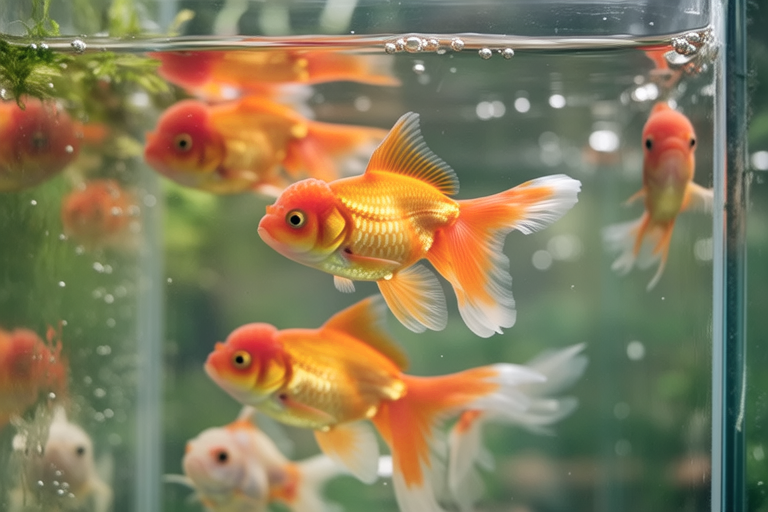
From Tiny Fry to Majestic Swimmers: Raising Goldfish Successfully!
Welcome to the fascinating world of goldfish! These captivating creatures have been cherished as pets for centuries, known for their vibrant colors and graceful movements. Whether you’re a seasoned aquarist or a first-time fish owner, raising goldfish can be a rewarding experience. This article will guide you through the lifecycle of goldfish, from tiny fry to majestic swimmers, providing essential tips for maintaining optimal tank conditions, proper feeding techniques, common health issues, and how to ensure a long, healthy life for your goldfish.
The Lifecycle of Goldfish
The lifecycle of a goldfish begins with the fertilization of eggs. Once hatched, the goldfish enter the fry stage, which is characterized by their small size and delicate nature. As they grow, these fry will gradually develop into juvenile goldfish, showcasing more pronounced features and colors. Finally, they reach adulthood, where they display their full potential in terms of size, coloration, and behavior.
Fry Stage
Newly hatched goldfish, known as fry, are incredibly small and require special care. They are born without a functional digestive system and must rely on their yolk sac for nourishment. As the yolk sac diminishes, it’s crucial to introduce them to food sources such as infusoria or commercially available fry food. The fry stage lasts approximately two weeks, during which time they will grow significantly and develop the ability to swim freely.
Juvenile Stage
Once the fry have transitioned into juveniles, they begin to show more distinct characteristics, including their unique patterns and colors. At this stage, it’s important to ensure they have adequate space and filtration to support their growing bodies. Juvenile goldfish also benefit from a varied diet that includes high-quality flakes, pellets, and occasional live or frozen foods like brine shrimp.
Adulthood
Adult goldfish are the epitome of grace and beauty in any aquarium. They can reach sizes ranging from 4 to 12 inches depending on the species and living conditions. By this point, they have developed strong immune systems and are capable of thriving in well-maintained environments. Adult goldfish are social animals and often enjoy the company of their tank mates, making community tanks a popular choice for owners.
Maintaining Optimal Tank Conditions
Creating a nurturing environment is key to ensuring your goldfish thrive. Proper water quality, temperature, and tank size are fundamental aspects of goldfish care.
Water Quality
Goldfish produce a significant amount of waste, so maintaining excellent water quality is vital. Regular partial water changes (about 25% weekly) help keep the tank clean and reduce harmful ammonia levels. A robust filtration system is essential for breaking down waste and keeping the water clear. Additionally, regular testing of water parameters, including pH, ammonia, nitrite, and nitrate levels, ensures a healthy aquatic ecosystem.
Temperature
Goldfish are coldwater fish, thriving best at temperatures between 68°F and 74°F (20°C to 23°C). Avoid exposing them to extreme temperature fluctuations, as this can stress their immune systems and lead to health problems. An aquarium heater may be necessary in cooler climates to maintain consistent water temperatures.
Tank Size
Goldfish are active swimmers and require ample space to move around comfortably. A general rule of thumb is to provide at least 20 gallons of water per adult goldfish. Larger tanks offer more room for swimming and better water quality management, reducing the frequency of necessary maintenance tasks.
Proper Feeding Techniques
Nutrition plays a critical role in the health and longevity of your goldfish. A balanced diet supports their growth, coloration, and overall well-being.
Dietary Needs
Goldfish are omnivores, meaning they consume both plant-based and protein-rich foods. High-quality flake or pellet foods form the foundation of their diet, providing essential nutrients. Supplementing with live or frozen foods like brine shrimp, bloodworms, and daphnia adds variety and promotes optimal health. Vegetables such as blanched spinach, peas, and zucchini rounds out their nutritional profile, offering beneficial fiber and vitamins.
Feeding Frequency
Feed your goldfish small amounts multiple times daily rather than one large meal. Overfeeding can lead to poor water quality and digestive issues. A good guideline is to feed them what they can consume within two minutes. Monitor their eating habits closely, as changes in appetite may indicate underlying health concerns.
Common Health Issues
Despite your best efforts, goldfish may still encounter health challenges. Early detection and prompt treatment are crucial for successful recovery.
Fin Rot
Fin rot is a bacterial infection that causes frayed, discolored, or decaying fins. It often results from poor water quality or physical injuries. Treating fin rot involves improving tank conditions, performing water changes, and administering antibiotics under veterinary guidance.
Ich
Ich, or white spot disease, manifests as tiny white spots on the goldfish’s body. This parasitic infection thrives in stressful environments and weak immune systems. Increasing water temperature slightly and adding salt to the tank can help combat ich, but consulting a veterinarian is recommended for severe cases.
Constipation
Goldfish are prone to constipation, especially when fed a diet high in dry foods. Symptoms include bloated bellies and difficulty swimming. Offering vegetables and fasting for a day can alleviate constipation. Ensuring a varied diet helps prevent recurrence.
Ensuring a Long, Healthy Life
With proper care, goldfish can live up to 20 years. Here are some additional tips to promote longevity:
Regular Maintenance
Perform routine water changes, clean filters, and monitor equipment regularly. Consistent maintenance prevents the buildup of toxins and ensures a stable environment for your goldfish.
Social Interaction
Goldfish are social animals and benefit from the presence of tank mates. However, choose compatible species and ensure there’s enough space for all inhabitants to coexist peacefully.
Veterinary Care
Regular check-ups with a veterinarian specializing in aquatic animals can catch potential health issues early. Vaccinations and preventive treatments can also enhance your goldfish’s immunity.
The Joys of Goldfish Ownership
Owning goldfish brings numerous joys, from watching their graceful movements to learning about their unique behaviors. Each goldfish has its own personality, making them delightful companions. The sense of responsibility that comes with caring for these creatures fosters a deeper connection with nature and teaches valuable lessons about patience, dedication, and empathy.
In conclusion, raising goldfish successfully requires commitment and knowledge. By understanding their lifecycle, providing optimal tank conditions, practicing proper feeding techniques, addressing common health issues, and ensuring a long, healthy life, you’ll create a nurturing environment that allows your goldfish to flourish. Enjoy the journey of bringing up these magnificent creatures and savor the many rewards of goldfish ownership.
