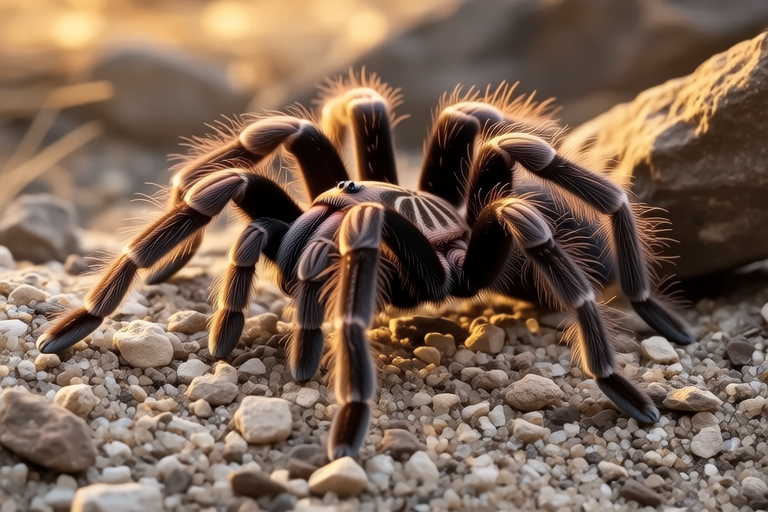
The Secret Life of the Chilean Rose Tarantula: What Owners Need to Know
The Chilean Rose Tarantula (Grammostola rosea) is one of the most popular pet tarantulas among arachnid enthusiasts. This docile and relatively easy-to-care-for spider has captivated the hearts of many hobbyists with its unique appearance and manageable care requirements. However, owning a Chilean Rose Tarantula comes with responsibilities that potential owners should be aware of. In this article, we will explore the secret life of these fascinating creatures, providing valuable insights into their natural habitat, behavior, dietary needs, housing requirements, handling tips, common health issues, and debunking some myths.
Natural Habitat
Chilean Rose Tarantulas originate from the deserts and scrublands of Chile, Argentina, and Bolivia. They thrive in arid environments with temperatures ranging from 75°F to 85°F (24°C to 29°C). These spiders are well-adapted to living in burrows they dig themselves, which provide shelter from predators and harsh weather conditions. Understanding their natural habitat helps in creating an appropriate environment for them in captivity.
Behavior
Known for their calm demeanor, Chilean Rose Tarantulas are generally non-aggressive towards humans. They prefer to avoid confrontation and will typically retreat to their burrow when threatened. Their behavior can vary slightly depending on age and sex; younger tarantulas tend to be more active, while older ones may become less mobile. Females are also known to be more aggressive during mating season.
Dietary Needs
In the wild, Chilean Rose Tarantulas feed primarily on insects such as crickets, grasshoppers, and beetles. In captivity, owners should provide a balanced diet consisting of appropriately sized prey items like dubia roaches, crickets, and mealworms. It’s important to gut-load the prey with nutritious food before feeding it to the tarantula to ensure optimal nutrition. Feeding frequency depends on the tarantula’s age and size but typically ranges from once every week to once every two weeks.
Housing Requirements
Creating a suitable habitat is crucial for the well-being of your Chilean Rose Tarantula. A glass terrarium or tank with a secure lid is recommended, ensuring adequate ventilation while preventing escape. The substrate should be at least three inches deep, allowing the tarantula to dig and create a comfortable burrow. Suitable substrates include coconut fiber, bark chips, or soil mixed with sand. Additionally, provide hiding spots such as cork bark or small caves for your pet to feel secure.
Handling Tips
While Chilean Rose Tarantulas are generally docile, handling them should be done with caution. Always wash your hands before and after handling to prevent transferring oils or chemicals that could harm the tarantula. Use a soft brush or gentle pressure to coax the tarantula out of its burrow if necessary. Never grab or squeeze the spider; instead, allow it to walk onto your hand. Regular handling can help acclimate your tarantula to human interaction, but always respect its boundaries.
Common Health Issues
Like any other pet, Chilean Rose Tarantulas can face health challenges. One of the most common issues is dehydration, which can occur if the humidity levels in their enclosure are too low. Maintaining proper humidity between 60% and 80% is essential. Other potential problems include mite infestations, which can cause stress and illness. Regular cleaning of the enclosure and monitoring for signs of distress, such as lethargy or refusal to eat, can help prevent and address these issues promptly.
Myths vs. Facts
- Myth: Tarantulas are dangerous to humans.
Fact: While all spiders have venom, the venom of the Chilean Rose Tarantula is mild and not harmful to humans. Bites are rare and usually only occur if the spider feels threatened. - Myth: Tarantulas cannot be kept as pets.
Fact: With proper care and knowledge, Chilean Rose Tarantulas make excellent pets for experienced and novice arachnid enthusiasts alike. - Myth: Tarantulas require frequent handling.
Fact: Handling should be limited to minimize stress on the spider. Regular interaction isn’t necessary for their well-being.
Conclusion
Owning a Chilean Rose Tarantula can be a rewarding experience for those willing to learn about and care for these unique creatures. By understanding their natural habitat, behavior, dietary needs, housing requirements, handling tips, common health issues, and dispelling myths, you can provide a safe and comfortable environment for your pet. Remember, responsible ownership involves continuous learning and adaptation to ensure the best possible life for your Chilean Rose Tarantula.
