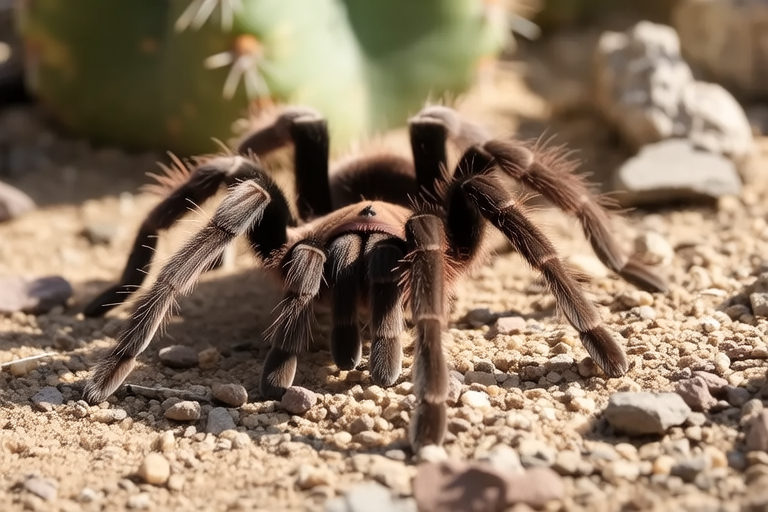
The Ultimate Guide to Understanding Your Chilean Rose Tarantula’s Behavior
Welcome to your comprehensive guide to understanding the fascinating world of the Chilean Rose Tarantula (Grammostola rosea). These captivating creatures have become popular pets due to their docile nature and striking appearance. As an owner, gaining insight into your tarantula’s behavior will enhance your ability to provide optimal care and create a nurturing environment. This guide will delve into common behaviors, signs of stress or comfort, feeding habits, environmental needs, handling tips, and interpreting interactions within their habitat.
Common Behaviors
Chilean Rose Tarantulas exhibit a range of behaviors that can be both intriguing and enlightening for their owners. One of the most noticeable behaviors is their nocturnal activity pattern. They are primarily active during the night, seeking out prey and exploring their surroundings under the cover of darkness. During the day, they tend to rest in their burrows or hide in dark corners of their enclosure.
Another common behavior is leg waving. When threatened or curious about something in their environment, they may wave their front legs. This action is often accompanied by a defensive posture, where they lift their abdomen and extend their legs outward. Leg waving serves as a form of communication and defense, helping them assess potential threats without escalating into more aggressive actions.
Additionally, Chilean Rose Tarantulas are known for their molting process. Molting is when they shed their exoskeleton to grow. Before molting, they may become less active, stop eating, and dig deeper into their burrows. After successfully completing the molt, they are vulnerable and require a period of recovery before resuming normal activities.
Signs of Stress or Comfort
Recognizing the signs of stress or comfort in your Chilean Rose Tarantula is crucial for maintaining its well-being. Stress indicators include rapid leg movements, reclusive behavior, and unusual aggression. If your tarantula displays these signs, it might be experiencing discomfort due to environmental factors such as temperature fluctuations, humidity levels, or insufficient hiding spots.
Conversely, a comfortable tarantula will exhibit calm and relaxed behavior. It will explore its enclosure, show interest in food, and maintain regular activity patterns. Ensuring a balanced and stable environment can help prevent stress and promote overall health.
To alleviate stress, provide a spacious and enriched habitat with appropriate substrate, temperature, and humidity. Offer multiple hiding spots and ensure there is no overcrowding. Regularly check the enclosure for any potential hazards and make necessary adjustments to create a serene living space.
Feeding Habits
Understanding the feeding habits of your Chilean Rose Tarantula is essential for maintaining its nutritional balance. In the wild, these tarantulas are opportunistic predators, feeding on insects like crickets, mealworms, and small vertebrates. In captivity, you can offer appropriately sized insects such as dubia roaches, crickets, and super worms.
It’s important to note that tarantulas do not eat every day. They typically feed once a week, consuming one or two prey items per meal. Overfeeding can lead to obesity and other health issues, while underfeeding can result in malnutrition. Always monitor your tarantula’s feeding schedule and adjust based on its appetite and growth.
When feeding, place the prey item near the tarantula rather than dropping it from above. This mimics natural hunting behavior and reduces the risk of startling your pet. Remove any uneaten prey after 24 hours to prevent contamination of the enclosure.
Environmental Needs
Creating the right environment for your Chilean Rose Tarantula is vital for its health and happiness. The ideal temperature range for these tarantulas is between 78°F and 85°F (25°C to 29°C), with a relative humidity level of 60% to 80%. Maintaining consistent temperature and humidity levels can be achieved through proper heating and ventilation.
A suitable enclosure should be at least three times the length of the tarantula, providing ample space for movement and exploration. Use a substrate such as coconut fiber, peat moss, or a mix of both to create a burrowing environment. Ensure the substrate is deep enough for digging and easy to clean.
In addition to substrate, provide multiple hiding spots, such as cork bark or plastic caves, to give your tarantula options for privacy. Proper lighting is also important; avoid direct sunlight and use low-wattage incandescent bulbs or ceramic heat emitters for gentle warmth.
Handling Tips
While Chilean Rose Tarantulas are generally docile, they should still be handled with care and respect. Start by familiarizing yourself with your tarantula’s routine and preferences. Observe its behavior in its enclosure to determine when it is most active and relaxed.
When ready to handle, gently scoop up your tarantula using a foam cup or paper towel. Avoid touching the tarantula directly, as this can cause stress or injury. Hold it securely but gently, supporting its body and legs. Keep handling sessions short and infrequent, as tarantulas are not naturally inclined to enjoy physical contact.
Always supervise children and inexperienced handlers when interacting with tarantulas. Teach them the importance of gentle handling and respect for these unique creatures. Remember, each tarantula has its own personality, so adapt your handling techniques accordingly.
Interpreting Interactions Within Their Habitat
Observing and interpreting interactions within your Chilean Rose Tarantula’s habitat can provide valuable insights into its behavior and needs. Pay attention to how your tarantula interacts with its environment, including substrate, hiding spots, and food sources. Look for signs of curiosity, exploration, and engagement.
For example, if your tarantula frequently digs and rearranges its burrow, it may be signaling a need for more substrate depth or a different type of substrate. Similarly, if it avoids certain areas of the enclosure, consider adjusting the layout or adding additional hiding spots to encourage exploration.
Monitoring interactions with prey items can also reveal important information. A healthy tarantula will actively hunt and consume prey, indicating good health and well-being. Conversely, lack of interest in food or difficulty capturing prey may suggest underlying issues that require attention.
In conclusion, understanding your Chilean Rose Tarantula’s behavior is key to providing the best possible care. By familiarizing yourself with common behaviors, recognizing signs of stress or comfort, adhering to proper feeding habits, ensuring environmental needs are met, handling with care, and interpreting interactions within their habitat, you can create a harmonious and enriching environment for your pet. With patience and dedication, you’ll develop a strong bond with your Chilean Rose Tarantula and enjoy many rewarding years together.
