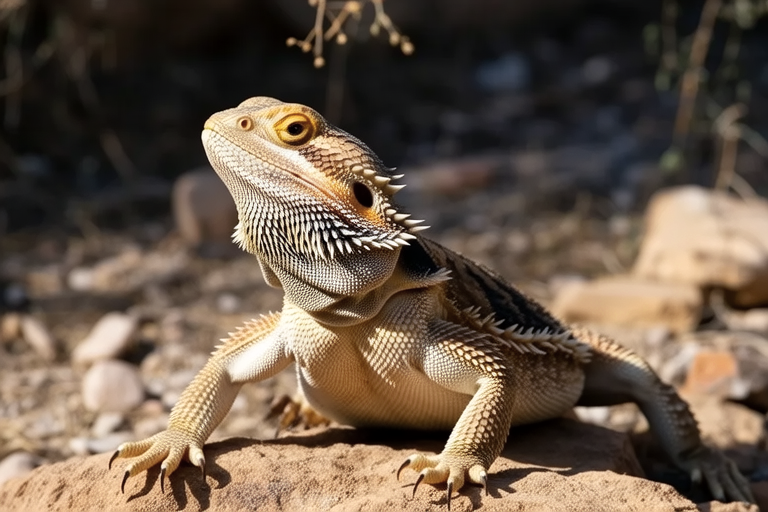
Bearded Dragon Behavior: What Those Head Bobs and Arm Wavings Mean for Pet Owners
Introduction
Bearded dragons have become increasingly popular pets due to their docile nature, vibrant colors, and ease of care. These lizards, native to Australia, are known for their distinctive appearance and unique behaviors that can be both fascinating and challenging for new pet owners. Understanding these behaviors is crucial for providing optimal care and ensuring the well-being of your pet.
The Importance of Understanding Bearded Dragon Behaviors
Observing and interpreting your bearded dragon’s behavior is essential for maintaining its health and happiness. By recognizing various signals, you can better understand your pet’s needs, preferences, and potential issues. This knowledge helps in creating a comfortable environment and addressing any concerns promptly.
Common Bearded Dragon Behaviors and Their Meanings
Head Bobbing
One of the most noticeable behaviors in bearded dragons is head bobbing. This action involves rapid up-and-down movements of the head. In males, head bobbing is often a display of dominance or territoriality, especially when they encounter other males or potential mates. It can also serve as a way to assert dominance over objects or situations they perceive as threats.
Arm Waving
Another intriguing behavior is arm waving, where a bearded dragon raises one front leg slowly and then lowers it gently. This gesture is commonly seen in younger dragons and can be interpreted as a sign of submission or a greeting. When interacting with other bearded dragons, arm waving may indicate a desire for social interaction or a peaceful coexistence.
Puffing Out the Beard
The beard of a bearded dragon, located under its chin, can change in size and color. Puffing out the beard is another way these reptiles communicate. When threatened or stressed, they will inflate their throat area to appear larger and more intimidating. This behavior is also observed during courtship displays, where males attempt to attract females.
Darkening Coloration
Bearded dragons can alter their skin pigmentation based on environmental factors and emotional states. Darkening of the skin can indicate stress, discomfort, or illness. However, it can also occur naturally as part of thermoregulation, where the lizard adjusts its body temperature by changing color. Monitoring your pet’s overall demeanor along with color changes can help determine if there’s a cause for concern.
Body Postures
Different body postures convey various messages. For instance, lying flat on the ground with legs splayed wide apart usually signifies relaxation or basking. Conversely, standing tall on all fours might indicate alertness or readiness to defend itself against perceived threats. Recognizing these postures aids in understanding your pet’s current state of mind.
Tips for Pet Owners
To ensure your bearded dragon remains healthy and content, consider the following tips:
- Provide adequate space: Ensure your enclosure provides enough room for movement and exploration.
- Maintain proper lighting: Use UVB lights to support calcium absorption and overall health.
- Offer varied diet: Include a mix of vegetables, fruits, insects, and occasional protein sources.
- Monitor temperature gradients: Create distinct warm and cool areas within the habitat for temperature regulation.
- Encourage natural behaviors: Incorporate climbing structures and hiding spots to stimulate natural instincts.
When to Consult a Veterinarian
If you notice persistent or unusual behaviors combined with signs of distress, such as lethargy, loss of appetite, or abnormal physical conditions like swelling or discharge, it’s wise to seek professional advice. Regular veterinary check-ups are also recommended to catch any potential issues early.
Understanding the nuances of bearded dragon behavior enriches the bond between owner and pet while promoting a healthier lifestyle. With patience and observation, you’ll find yourself better equipped to provide the best possible care for your scaly companion.
