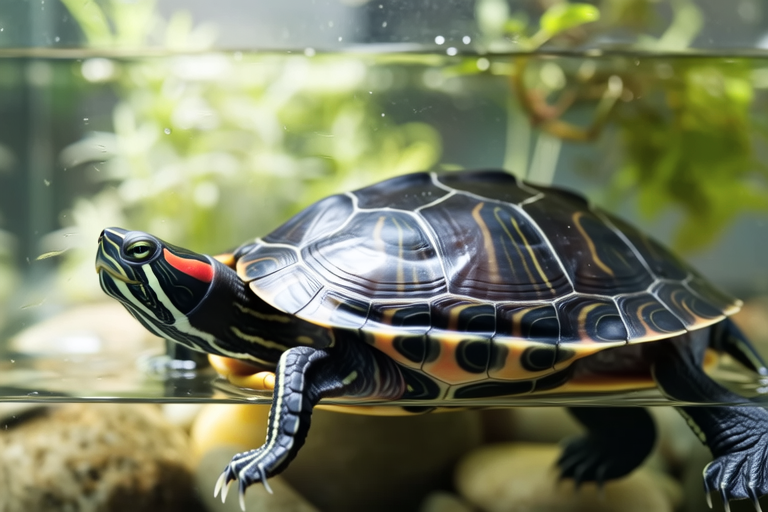
Top Secrets for Keeping Your Red-Eared Slider Happy and Healthy at Home
Welcome to the world of red-eared sliders! These captivating aquatic turtles are popular pets due to their unique appearance and relatively manageable care requirements. However, keeping them happy and healthy at home requires a bit of knowledge and commitment. This comprehensive guide will walk you through the essential care tips for your red-eared slider, ensuring it lives a long and fulfilling life.
Ideal Habitat Setup
The first step in providing excellent care for your red-eared slider is setting up an ideal habitat. The tank size plays a crucial role in the turtle’s well-being. A juvenile turtle needs at least 10 gallons of water per inch of shell length, while adults require about 40 gallons per inch. Ensure the tank is spacious enough for swimming and basking.
In addition to the water area, include a basking platform that allows your turtle to completely dry off and absorb UVB light. Place the platform at one end of the tank and ensure it is stable and easy for the turtle to climb onto. Decorate the tank with plants, rocks, and caves to create a stimulating environment. These elements provide hiding spots and enrich the turtle’s habitat, promoting mental and physical stimulation.
Diet Specifics
A balanced diet is vital for the health and longevity of your red-eared slider. In the wild, they eat a variety of insects, fish, plants, and other small animals. At home, you can offer commercial turtle pellets, leafy greens, and occasional treats like earthworms or feeder fish. Feed your turtle daily, but be mindful of portion sizes to avoid overfeeding.
It is important to supplement their diet with calcium and vitamin D3 to prevent metabolic bone disease. Offer calcium supplements and a full-spectrum UVB light to support healthy shell growth and overall bone health. Avoid feeding your turtle iceberg lettuce or bread as these items lack nutritional value and can lead to digestive issues.
Proper Lighting and Heating
Your red-eared slider relies on proper lighting and heating to maintain its health. Install a full-spectrum UVB light above the basking area to help the turtle produce vitamin D3, which aids in calcium absorption. Position the light so it reaches the basking platform and replace the bulb every six months to ensure optimal performance.
Provide a heat lamp to maintain the basking area temperature between 85 and 95 degrees Fahrenheit. The water temperature should remain between 75 and 80 degrees Fahrenheit. Use a submersible heater to maintain consistent water temperatures, and monitor it regularly to prevent overheating or underheating. Proper lighting and heating are crucial for your turtle’s metabolism, digestion, and overall health.
Hygiene Maintenance
Maintaining good hygiene is essential for your red-eared slider’s health. Regularly clean the tank to remove waste and uneaten food. Perform partial water changes weekly, replacing 25% to 50% of the water to keep the water quality high. Clean the filter regularly and replace it when necessary to ensure efficient filtration.
Pay attention to water quality by monitoring pH levels, ammonia, nitrite, and nitrate concentrations. Ideal water conditions are slightly alkaline (pH 7.5-8.5) with minimal ammonia and nitrite, and low nitrate levels. Consider using a water conditioner to neutralize chlorine and chloramines found in tap water. Good hygiene practices promote a clean and healthy living environment for your turtle.
Regular Health Check-Ups
Scheduling regular health check-ups with a veterinarian who specializes in reptiles is crucial for your red-eared slider’s well-being. Annual check-ups allow the vet to assess your turtle’s overall health, detect potential issues early, and recommend preventive measures. Be observant of any changes in behavior, appetite, or appearance, and seek veterinary care if you notice any concerning symptoms.
Common health issues include respiratory infections, shell rot, and parasites. Early detection and treatment can prevent more severe complications. Additionally, maintain a record of your turtle’s weight, shell measurements, and any significant events to share with your veterinarian during appointments.
Enrichment Activities
To keep your red-eared slider mentally and physically stimulated, incorporate enrichment activities into its daily routine. Rotate toys and decorations periodically to keep the environment interesting. Introduce floating objects or tunnels for exploration and hide treats in different locations to encourage foraging behavior.
Engage your turtle in gentle playtime outside of the tank, ensuring it remains supervised and safe. Provide opportunities for natural behaviors such as swimming, climbing, and exploring. Enrichment activities enhance your turtle’s quality of life and prevent boredom, contributing to its overall happiness.
Conclusion
Caring for a red-eared slider is a rewarding experience that requires dedication and attention to detail. By following the essential care tips outlined in this guide, you can create a nurturing environment that promotes longevity and happiness for your pet. Remember to prioritize the ideal habitat setup, diet specifics, proper lighting and heating, hygiene maintenance, and regular health check-ups. With these guidelines, you’ll be well-equipped to provide the best possible care for your red-eared slider.
