Amazing Facts About Red-eared Sliders That Will Make You Love Them More
The red-eared slider (Trachemys scripta elegans) is one of the most popular pet turtle species worldwide. These semi-aquatic turtles are known for their vibrant colors, friendly demeanor, and fascinating behaviors. In this article, we will explore some amazing facts about red-eared sliders that will deepen your appreciation for these remarkable creatures.
Unique Characteristics
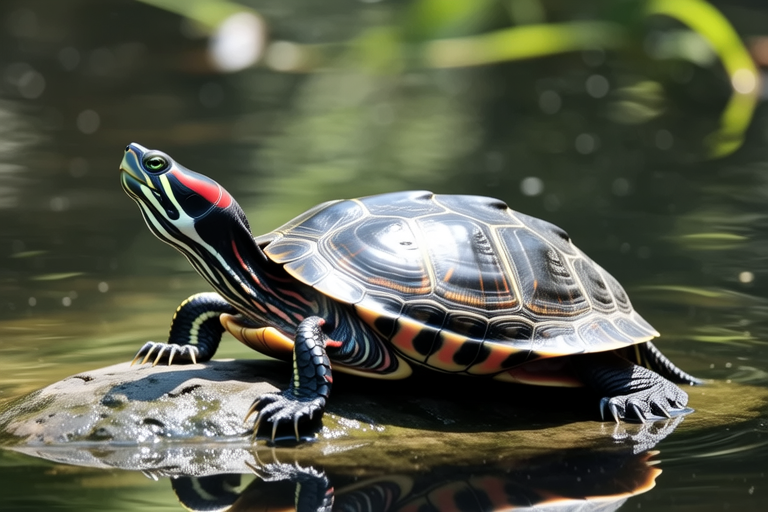
Red-eared sliders are easily recognizable by the red stripe behind each eye, which gives them their name. Their shells are usually dark green with yellow or orange markings, and their skin can range from olive green to black. As they age, their coloration may become more subdued, but their striking patterns remain. The plastron, or bottom shell, is typically yellow with dark markings. Male red-eared sliders tend to have longer claws on their front legs and longer tails than females.
Habitat and Environment
Natural habitats for red-eared sliders include freshwater environments such as ponds, lakes, and slow-moving rivers. They prefer areas with abundant aquatic vegetation, basking sites, and plenty of space to swim. In captivity, it’s essential to replicate these conditions as closely as possible to ensure your turtle’s well-being. A large aquarium or outdoor pond equipped with UVB lighting, filtration systems, and basking platforms will provide an ideal living space.
Diet and Feeding Habits
Red-eared sliders are omnivores, meaning they eat both plant matter and animal protein. Juvenile turtles are primarily carnivorous, consuming insects, small fish, and aquatic invertebrates. As they mature, their diet shifts towards more vegetation, including leafy greens like romaine lettuce, dandelion leaves, and aquatic plants. It’s crucial to offer a balanced diet rich in vitamins and minerals to support their growth and overall health. Pellets formulated specifically for aquatic turtles can also be part of their diet.
Lifespan and Growth
Red-eared sliders have impressive lifespans, often exceeding 20 years when properly cared for. Some individuals may even live up to 40 years! Proper care includes providing adequate space, maintaining clean water, and offering a nutritious diet. These turtles grow rapidly during their first few years of life, reaching sizes between 6 to 12 inches in length as adults. Females generally grow larger than males.
Behavior and Interaction
Red-eared sliders are social animals that enjoy interacting with others of their kind. In the wild, they can often be found basking together on logs or rocks near the water’s edge. This behavior helps regulate their body temperature and aids in digestion. When kept as pets, they can become quite tame and may even recognize their owners. Providing multiple basking spots and ensuring ample swimming room will encourage natural behaviors and promote a healthy lifestyle.
Interesting Trivia
Did you know that red-eared sliders hibernate? During colder months, they bury themselves in mud at the bottom of ponds or lakes where temperatures remain stable. This process, called brumation, allows them to survive harsh winter conditions. Another fascinating fact is that red-eared sliders can communicate through vibrations in the water. They use their legs and tail to create ripples that may serve as signals to other turtles.
Tips for Pet Owners
If you’re considering adding a red-eared slider to your family, there are several important factors to keep in mind:
- Space Requirements: Provide a spacious tank or pond with a minimum size of 40 gallons per turtle. Ensure there’s enough room for swimming and basking.
- Water Quality: Maintain clean water by installing a reliable filtration system and performing regular water changes. Poor water quality can lead to health issues.
- Basking Area: Offer a secure, dry area where your turtle can bask under a UVB light. This helps them synthesize vitamin D3 and absorb calcium.
- Temperature Control: Keep water temperatures between 75-80°F (24-27°C) and basking areas around 90-95°F (32-35°C). Use thermometers to monitor these levels accurately.
- Dietary Needs: Feed a varied diet consisting of commercial pellets, fresh vegetables, and occasional protein sources. Avoid feeding them iceberg lettuce, as it lacks nutritional value.
- Veterinary Care: Regular visits to a reptile veterinarian can help catch potential health problems early. Be prepared for the financial commitment associated with proper care.
Conclusion
Red-eared sliders are captivating creatures with many unique features and behaviors that make them beloved pets. By understanding their specific needs and providing appropriate care, you can ensure a long-lasting relationship filled with joy and companionship. Whether you’re a seasoned turtle keeper or just starting out, these amazing facts about red-eared sliders will undoubtedly inspire you to love them even more.
