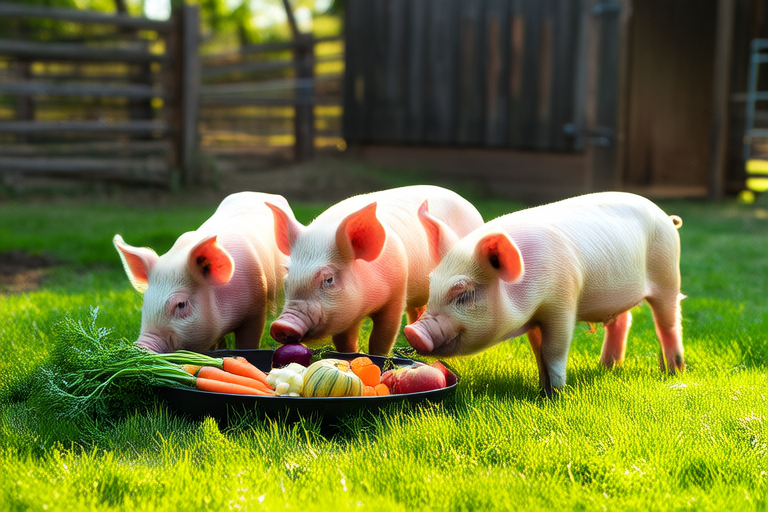
Mini Pigs: The Surprising Truth About Their Diet
Mini pigs have become increasingly popular as pets in recent years. However, many potential and current owners may be unaware of the specific dietary needs of these animals. Understanding the nutritional requirements of mini pigs is crucial for their health and longevity. This article delves into the surprising truths about mini pigs’ diets, addressing common misconceptions, providing expert opinions, and offering practical advice for owners.
Nutritional Needs of Mini Pigs
Mini pigs require a balanced diet that meets their specific nutritional needs. They are omnivores, meaning they can eat both plant and animal-based foods. Their diet should include carbohydrates, proteins, fats, vitamins, and minerals. According to Dr. Sarah Johnson, a veterinarian specializing in exotic animals, “A well-balanced diet is essential for maintaining your mini pig’s overall health, energy levels, and growth.”
The primary component of a mini pig’s diet should be high-quality commercial pig feed, which is formulated to meet their nutritional requirements. These feeds typically contain grains, such as corn and soybeans, along with vitamins and minerals. It’s important to choose a feed specifically designed for mini pigs, as larger pig feeds may not provide the appropriate balance of nutrients.
Common Misconceptions About Mini Pigs’ Diets
One common misconception is that mini pigs can eat anything humans eat. While it’s true that mini pigs can consume some human foods, it’s crucial to avoid feeding them table scraps or processed foods. Human snacks often contain excessive amounts of salt, sugar, and unhealthy fats, which can lead to obesity and other health issues in mini pigs.
Another misconception is that mini pigs need a lot of fruits and vegetables. While these foods can be part of a mini pig’s diet, they should not make up the majority of their meals. Fruits and vegetables are high in water content and low in calories, which means that feeding too much of them can cause your mini pig to feel full without receiving adequate nutrition.
Recommended Food Items for Mini Pigs
In addition to high-quality commercial pig feed, mini pigs can benefit from a variety of fresh fruits, vegetables, and occasional treats. Some recommended food items include:
- Leafy Greens: Spinach, kale, and romaine lettuce are excellent sources of vitamins A and C, calcium, and iron. However, avoid feeding iceberg lettuce, as it has little nutritional value.
- Root Vegetables: Carrots, sweet potatoes, and yams are rich in beta-carotene and fiber. They also provide a crunchy texture that mini pigs enjoy.
- Fruits: Apples, bananas, and blueberries can be offered as occasional treats. Be sure to remove seeds and pits, as they can be harmful to mini pigs.
- Safe Treats: Small amounts of cooked chicken, fish, or eggs can be given as treats. Avoid raw meat, as it poses a risk of bacterial contamination.
Creating a Balanced Diet for Mini Pigs
To ensure your mini pig receives a balanced diet, it’s important to follow a few key guidelines:
- Feed Commercial Pig Feed: Always provide a high-quality commercial pig feed as the base of your mini pig’s diet. This ensures they receive the necessary nutrients in the correct proportions.
- Limit Table Scraps: Avoid feeding your mini pig table scraps, especially those high in salt, sugar, or unhealthy fats. If you want to share your meal, opt for safe fruits and vegetables instead.
- Vary the Diet: Introduce a variety of fresh fruits, vegetables, and occasional treats to keep your mini pig’s diet interesting and nutritionally diverse.
- Monitor Portion Sizes: Overfeeding can lead to obesity, so monitor your mini pig’s portion sizes carefully. Consult with your veterinarian to determine the appropriate amount of food for your pet based on its age, weight, and activity level.
Potential Health Issues Related to Improper Feeding
Improper feeding can lead to various health issues in mini pigs. Obesity is one of the most common problems, as mini pigs have a tendency to overeat if given the opportunity. Obesity can lead to joint problems, respiratory issues, and a reduced lifespan. Dr. Johnson emphasizes, “Maintaining a healthy weight is crucial for your mini pig’s overall health and well-being.”
Another potential issue is gastrointestinal upset, which can occur if your mini pig consumes too much of certain foods. For example, feeding too many fruits or vegetables high in water content can cause diarrhea. Additionally, feeding foods high in fat, such as nuts or fatty meats, can lead to pancreatitis, a painful and potentially life-threatening condition.
It’s important to consult with your veterinarian if you notice any changes in your mini pig’s behavior, appetite, or bathroom habits. Early intervention can prevent more serious health issues from developing.
Expert Opinions on Mini Pigs’ Diets
Experts agree that a balanced diet is essential for the health and happiness of mini pigs. Dr. Johnson advises, “Feeding your mini pig a varied and nutritious diet will help ensure they live a long and healthy life.” She also recommends regular veterinary check-ups to monitor your mini pig’s weight and overall health.
Dr. Michael Lee, a nutritionist specializing in exotic animals, adds, “It’s important to understand that mini pigs have unique nutritional needs. While they can eat a variety of foods, it’s crucial to provide a diet that meets their specific requirements. Consulting with a veterinarian or nutritionist can help ensure your mini pig receives the best possible care.”
Practical Advice for Mini Pig Owners
Here are some practical tips for mini pig owners to ensure their pets receive a healthy and balanced diet:
- Use a Slow Feeder: To prevent overeating, consider using a slow feeder or puzzle toy that requires your mini pig to work for its food. This can help reduce boredom and promote mental stimulation.
- Provide Fresh Water: Ensure your mini pig always has access to clean, fresh water. Dehydration can lead to serious health issues, so it’s important to monitor your pet’s water intake.
- Rotate Foods: To prevent boredom and ensure a varied diet, rotate the types of fruits, vegetables, and treats you offer your mini pig. This can also help prevent nutritional deficiencies.
- Be Consistent: Establish a consistent feeding schedule to help regulate your mini pig’s eating habits. This can help prevent overeating and promote better digestion.
Conclusion
Understanding the nutritional needs of mini pigs is crucial for their health and well-being. By providing a balanced diet that includes high-quality commercial pig feed, fresh fruits, and vegetables, and occasional treats, you can help ensure your mini pig lives a long and happy life. Avoid common misconceptions about mini pigs’ diets and consult with experts to address any concerns or questions you may have. With proper care and attention, your mini pig will thrive in its new home.
