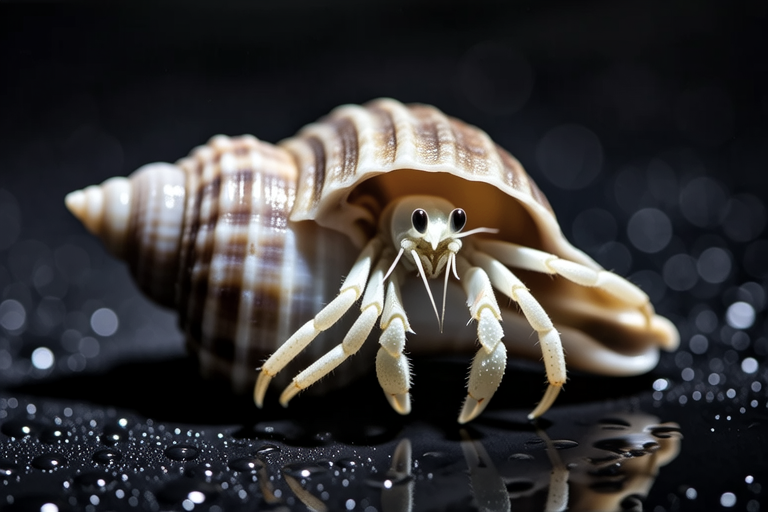
The Tiny Pea Crab: A Microscopic Marvel of the Ocean
The tiny pea crab (Pinnotheres pisum) is one of the smallest crabs in the world, measuring less than a centimeter in length. This diminutive crustacean, named for its resemblance to a pea, has fascinated scientists and nature enthusiasts alike due to its remarkable adaptations and complex interactions within its marine environment.
Size and Habitat
As suggested by its name, the pea crab is incredibly small, typically growing no larger than a grain of rice. Despite its petite stature, it plays an outsized role in marine ecosystems. These crabs inhabit a variety of coastal environments, including salt marshes, estuaries, and sandy or muddy seabeds. They are most commonly found in shallow waters along the coasts of North America, Europe, and parts of Asia. Their preference for these areas allows them to thrive in habitats rich with potential hosts for their symbiotic relationships.
Unique Adaptations
The pea crab’s diminutive size is both a blessing and a curse. While it makes them vulnerable to predation, their small size also allows them to exploit niches that larger crabs cannot access. One of their most notable adaptations is their ability to live symbiotically within the bodies of other marine organisms, such as bivalves like mussels and oysters. By residing inside these creatures, pea crabs gain protection from predators while providing their hosts with benefits such as cleaning away parasites.
Symbiotic Relationships
The pea crab’s relationship with its host is mutually beneficial. The crab gains shelter and protection from predators, while the host benefits from having parasites removed. This cleaning service helps keep the host healthy and free from infection. Additionally, pea crabs have been observed to assist in the reproduction of their hosts by removing eggs that would otherwise be consumed by other species. This interaction highlights the intricate web of life in marine ecosystems and underscores the importance of each organism’s role.
Ecosystem Role
In addition to their symbiotic relationships, pea crabs play a crucial role in maintaining the balance of their ecosystems. As scavengers, they help recycle nutrients by feeding on dead organic matter. Their presence also influences the behavior of their hosts, potentially affecting the distribution and abundance of various marine species. By contributing to nutrient cycling and influencing host behavior, pea crabs indirectly impact the health and productivity of entire ecosystems.
Threats and Conservation
Despite their resilience, pea crabs face several threats in today’s changing world. Pollution, habitat destruction, and overfishing can all negatively affect their populations. Coastal development and climate change pose additional challenges, altering the very environments that pea crabs rely on for survival. To ensure the continued existence of these fascinating creatures, conservation efforts must focus on protecting their habitats and reducing human impacts on marine ecosystems.
Behavior and Reproduction
Pea crabs exhibit fascinating behaviors throughout their lives. Mating typically occurs when males find females within the same host. Once paired, the male will often remain with the female, guarding her until she lays her eggs. After hatching, the larvae drift through the water column before settling on a suitable host. This process ensures genetic diversity within populations and helps maintain healthy populations of pea crabs.
Importance of Conservation
The pea crab serves as a testament to the incredible diversity of life in our oceans. Its unique adaptations and symbiotic relationships highlight the complexity and interconnectedness of marine ecosystems. By conserving this microscopic marvel, we protect not only the pea crab but also the many other species that depend on it for survival. Preserving the pea crab and its habitat is essential for maintaining the health and biodiversity of our planet’s oceans, ensuring that future generations can continue to marvel at these tiny wonders.
