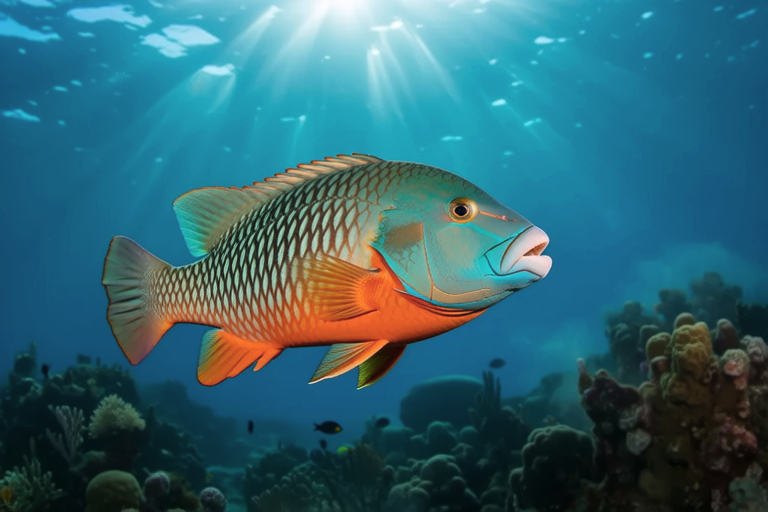
From Coral Reefs to Aquariums: Everything You Need to Know About Parrot Fish
Welcome to this comprehensive guide on parrot fish, a fascinating group of marine creatures that play crucial roles in coral reef ecosystems. This article will explore the diversity of parrot fish species, their natural habitats, feeding habits, importance in reef ecosystems, and provide practical advice for those interested in keeping these colorful fish in home aquariums.
Parrot Fish Species Diversity
The family Scaridae, commonly known as parrot fish, comprises over 90 species distributed across tropical and subtropical waters worldwide. These fish are characterized by their vibrant colors and beak-like mouths, used for grazing on algae-covered rocks and coral. The diversity within this family is remarkable, with species varying significantly in size, coloration, and behavior.
Natural Habitat in Coral Reefs
Parrot fish primarily inhabit coral reefs, which serve as their primary source of food and shelter. They are found in shallow waters, typically between 1 and 30 meters deep. These environments offer rich biodiversity and ample hiding spots, making them ideal for parrot fish. Their presence contributes to the health and stability of coral reefs, playing a vital role in maintaining ecological balance.
Feeding Habits
Parrot fish are herbivorous grazers, consuming algae from rocks and coral. Their unique beak-like mouth structure allows them to scrape off algae efficiently. Some species also ingest small pieces of coral, digesting the algae and excreting the calcium carbonate as sand. This process is crucial for the formation of sandy beaches and islands, contributing significantly to coastal geomorphology.
Role in Reef Ecosystems
Parrot fish play a critical role in maintaining the health of coral reefs by controlling algal growth. Overgrown algae can smother corals, hindering their ability to photosynthesize and grow. By keeping algae in check, parrot fish help ensure that corals have enough space and light to thrive. Additionally, their feeding habits promote nutrient cycling within the reef ecosystem, supporting other marine organisms.
Common Species Suitable for Aquariums
Several parrot fish species are popular among aquarists due to their striking appearance and relatively hardy nature. Some of the most commonly kept species include the queen parrotfish (Scarus vetula), the blue-green parrotfish (Scarus coeruleus), and the stoplight parrotfish (Sparisoma viride). When selecting a parrot fish for your aquarium, consider factors such as tank size, water quality, and the availability of suitable hiding places.
Care Tips for Keeping Them Healthy in Home Aquariums
Maintaining a healthy environment for parrot fish requires careful consideration of several factors:
- Tank Size: Provide a spacious tank, at least 180 gallons, to accommodate their active swimming behavior.
- Water Quality: Ensure stable water parameters, including temperature (72-82°F), pH (8.1-8.4), and salinity (1.020-1.025).
- Diet: Offer a varied diet consisting of algae-based foods, spirulina flakes, and occasional frozen or live treats like brine shrimp.
- Hiding Places: Provide ample hiding spots using rock structures or artificial caves to mimic their natural habitat.
- Compatibility: Choose tankmates carefully to avoid aggressive interactions, especially with other territorial species.
Potential Challenges of Owning Parrot Fish
Owning parrot fish comes with certain challenges, particularly regarding their dietary needs and territorial behavior. These fish require a steady supply of algae or algae-based foods, which can be costly and time-consuming to maintain. Additionally, their territorial nature may lead to conflicts with other fish, necessitating careful planning when setting up a community tank.
Behavior Patterns
Parrot fish exhibit intriguing behaviors that make them fascinating subjects for observation. During the day, they graze actively, moving around the reef in search of food. At night, many species retreat to crevices or caves to sleep, forming sleeping bags out of mucus secretions to deter predators. Their coloration often changes based on mood or environmental conditions, offering a visual cue to their state of mind.
Marine Life Conservation and Sustainable Aquarium Practices
Conservation efforts are crucial for preserving parrot fish populations and the coral reefs they inhabit. Aquarists can contribute positively by supporting ethical breeding programs and avoiding the purchase of wild-caught specimens. Additionally, promoting sustainable aquarium practices, such as minimizing waste and reducing energy consumption, helps mitigate the environmental impact of hobbyist activities.
In conclusion, parrot fish are captivating creatures that offer both aesthetic and ecological value. Understanding their biology, behavior, and care requirements can enhance the enjoyment and success of keeping these magnificent fish in home aquariums. By adopting responsible practices, we can ensure the long-term survival of parrot fish and the vibrant ecosystems they call home.
