Short-Legged Charm: Discovering the Quirks and Joys of Living with a Munchkin Cat
Welcome to the enchanting world of Munchkin cats! These charming felines have captured the hearts of many with their distinctive short legs and endearing personalities. In this article, we will delve into the unique features that make Munchkin cats stand out, explore common misconceptions about their health and mobility, and provide valuable insights into their temperament and care. Additionally, we’ll share personal stories from Munchkin cat owners to highlight the joys and challenges of living with these delightful creatures. By the end, you’ll be well-equipped to decide if a Munchkin cat is the perfect addition to your family.
What Makes Munchkin Cats Unique?
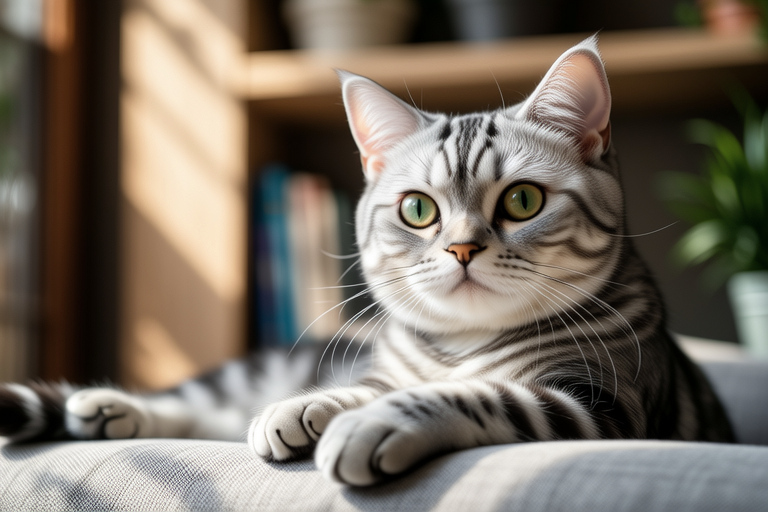
Munchkin cats are known for their disproportionately short legs, which give them a distinct and adorable appearance. This genetic trait, caused by a naturally occurring mutation, results in their unique stature. Despite their diminutive limbs, Munchkins come in a variety of coat colors and patterns, making each one as unique as the next. Their bodies are typically well-proportioned, with large round eyes and expressive faces that exude charm and curiosity.
Their short legs may make them look like they’re always taking tiny steps, but don’t let their size fool you. Munchkins are agile and quick, capable of surprising bursts of speed and impressive acrobatic feats. Their compact frame allows them to navigate through tight spaces with ease, and their playful demeanor ensures they never miss an opportunity to explore.
Common Misconceptions About Health and Mobility
One of the most common misconceptions about Munchkin cats is that their short legs automatically lead to mobility issues. While it’s true that some Munchkin cats may experience back problems or difficulty jumping to high places, this is not universal. Many Munchkin cats live long, healthy lives without any significant mobility issues.
It’s essential to understand that the health and well-being of a Munchkin cat depend largely on responsible breeding practices and proper care. Reputable breeders prioritize the health of their cats and avoid inbreeding, which can exacerbate genetic disorders. Regular veterinary check-ups and a balanced diet contribute significantly to maintaining a Munchkin’s overall health.
Temperament: Playful and Affectionate
Munchkin cats are renowned for their playful and affectionate nature. They love to engage in interactive play, whether it’s chasing toys, pouncing on feather wands, or playing hide-and-seek around the house. Their curious minds and boundless energy make them excellent companions for those who enjoy a lively household.
Despite their active lifestyle, Munchkins also have a gentle side. They thrive on human interaction and often seek out cuddles and attention. Their affectionate nature makes them ideal companions for families with children or other pets. However, like all cats, they appreciate having their own space and time to relax.
Caring for Your Munchkin Cat
When caring for a Munchkin cat, it’s important to tailor their diet and exercise routine to their physical characteristics. A balanced diet rich in protein and essential nutrients supports their overall health and helps maintain a healthy weight. Avoid overfeeding, as excess weight can put additional strain on their joints.
Exercise is crucial for keeping your Munchkin cat fit and happy. Encourage playtime with interactive toys that stimulate both their body and mind. Create safe spaces for them to climb and explore, ensuring that furniture and shelves are accessible yet secure. Providing scratching posts and climbing structures can help satisfy their natural instincts while preventing damage to your home.
Personal Anecdotes from Munchkin Cat Owners
Lisa, a Munchkin cat owner from New York, shares her experience: “Bella, our Munchkin, has brought so much joy to our family. She loves to play fetch and will chase after her favorite toy for hours. Her short legs don’t stop her from being incredibly agile. We’ve noticed that she enjoys climbing on low shelves and sitting in cozy spots that offer a view of the room. Her playful nature keeps us entertained, and her affectionate behavior makes her a cherished member of the family.”
Another owner, Sarah from California, adds, “Our Munchkin, Oliver, is always up for adventure. He’s particularly fond of tunnels and narrow spaces, which he uses to explore every corner of our home. His curiosity never fades, and he’s always ready for a game of hide-and-seek. While his short legs mean he doesn’t jump as high as other cats, he finds creative ways to reach his favorite spots. His playful spirit and loving nature make him a delight to have around.”
Adopting a Munchkin Cat
If you’re considering adopting a Munchkin cat, it’s important to approach the process with responsibility and care. Research reputable breeders and shelters to ensure the cat’s well-being. Look for breeders who prioritize the health and happiness of their cats and are transparent about their breeding practices.
Many rescue organizations also offer Munchkin cats for adoption. These cats often come with their own unique histories and personalities, adding depth to the adoption experience. When adopting, take the time to meet the cat and observe its behavior to ensure a good match.
Remember, owning a Munchkin cat is a commitment that requires love, patience, and dedication. By providing a nurturing environment and meeting their specific needs, you can ensure that your Munchkin cat leads a happy and fulfilling life.
In conclusion, Munchkin cats are a delightful addition to any household, offering a unique blend of charm, playfulness, and affection. By understanding their physical characteristics, addressing common misconceptions, and providing appropriate care, you can ensure that your Munchkin cat thrives. Embrace the joys of living with a Munchkin cat and prepare for a lifetime of love and laughter.
