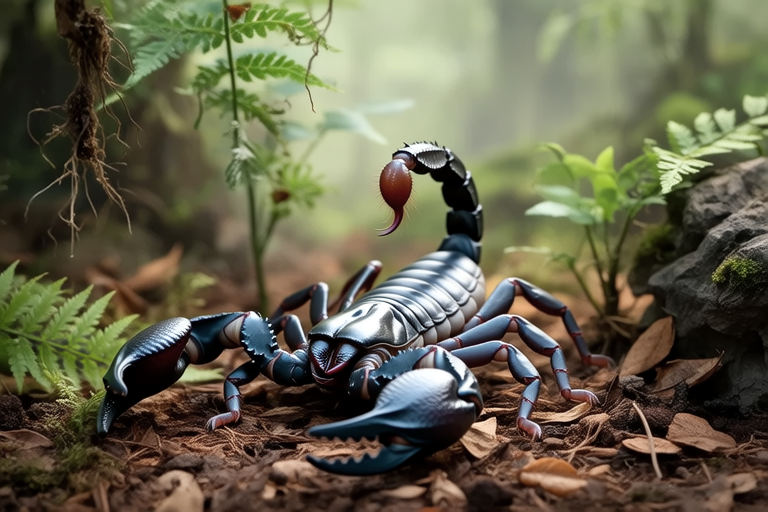
From Jungle to Home: Care Guide for the Captivating Heterometrus Spinifer
Welcome to your comprehensive care guide for the captivating Heterometrus Spinifer, commonly known as the Asian forest scorpion. This guide will provide you with all the necessary information to ensure that your new pet thrives in its new home. From setting up the perfect habitat to understanding its dietary needs and health concerns, we’ve got you covered.
Natural Environment of the Heterometrus Spinifer
The Heterometrus Spinifer originates from the lush jungles of Southeast Asia, where it lives among dense foliage, rocky crevices, and humid environments. These nocturnal creatures prefer areas rich in organic matter, such as leaf litter and fallen logs, which they use for shelter and hunting. Understanding their natural habitat helps recreate similar conditions in captivity, ensuring your scorpion feels comfortable and secure.
Setting Up the Ideal Enclosure
Creating a suitable environment for your Heterometrus Spinifer involves careful consideration of space, materials, and layout. A glass or acrylic terrarium measuring at least 18 inches long, 12 inches wide, and 12 inches high provides ample room for exploration and hiding. Ensure the enclosure has a secure lid to prevent escapes while allowing for ventilation.
- Substrate: Use a layer of coconut fiber or peat moss mixed with sand, approximately 3-4 inches deep. This substrate mimics the natural ground cover found in their native habitats and retains moisture effectively.
- Hiding Spots: Incorporate various hiding spots, such as cork bark tubes, half logs, or artificial caves, to give your scorpion places to retreat and feel safe.
- Decorations: Add branches, rocks, and plants to create a more naturalistic setting that encourages climbing and exploration.
- Temperature and Humidity: Maintain a temperature range between 75°F and 85°F (24°C to 29°C) during the day, dropping slightly at night. The relative humidity should be kept around 70-80% to mimic their jungle environment.
Dietary Needs
Feeding your Heterometrus Spinifer correctly is crucial for its overall health and well-being. In the wild, these scorpions are opportunistic feeders, consuming insects like crickets, mealworms, and roaches. In captivity, a varied diet of gut-loaded feeder insects, such as dubia roaches and crickets, ensures they receive adequate nutrition.
- Frequency: Feed juveniles every 3-4 days and adults once weekly. Adjust feeding frequency based on the scorpion’s activity level and body condition.
- Supplements: Dust feeder insects with a calcium supplement twice a week and a multivitamin once a week to support bone health and overall vitality.
- Water Source: Provide a shallow water dish large enough for the scorpion to drink from but not deep enough to risk drowning. Change the water regularly to maintain cleanliness.
Handling Tips
Handling your Heterometrus Spinifer requires patience, respect, and proper technique to minimize stress and potential injury. Always wash your hands before and after handling to eliminate any residues that might be harmful to the scorpion.
- Gloves: Wear thick leather gloves to protect yourself from the scorpion’s venomous sting.
- Movements: Move slowly and gently when approaching your scorpion. Avoid sudden movements that could startle it.
- Support: Place one hand under the scorpion’s body and the other above to gently lift it. Never grasp or squeeze the scorpion tightly.
- Duration: Limit handling sessions to a few minutes to avoid stressing the animal.
Health Concerns and Behavioral Insights
Observing your scorpion’s behavior and physical condition regularly helps identify potential health issues early. Healthy Heterometrus Spinifers exhibit active movement, clear eyes, and a plump body. Signs of illness include lethargy, loss of appetite, discolored exoskeleton, or difficulty moving.
- Common Health Issues: Respiratory infections, mites, and improper shedding are common concerns. Regular check-ups by a veterinarian specializing in exotic pets can help address these issues promptly.
- Behavioral Cues: Monitor changes in behavior, such as increased aggression or decreased activity, which may indicate underlying health problems.
Safety Precautions
Handling a Heterometrus Spinifer comes with inherent risks due to its venomous sting. While the venom is generally not lethal to humans, it can cause localized pain, swelling, and allergic reactions. Follow these safety guidelines to minimize risks:
- Preventative Measures: Wash hands thoroughly after handling the scorpion and its enclosure. Avoid touching your face or eyes until after washing.
- First Aid: Keep a first aid kit nearby containing antihistamines, ice packs, and a topical antibiotic ointment. Seek medical attention if you experience severe symptoms following a sting.
Interacting with Your Scorpion
Building a positive relationship with your Heterometrus Spinifer involves understanding its natural behaviors and providing enrichment activities. Spend time observing your scorpion from a distance, noting its preferred hiding spots and feeding habits. Gradually increase interaction through gentle handling sessions, always prioritizing the scorpion’s comfort and safety.
Conclusion
Welcoming a Heterometrus Spinifer into your home is an exciting journey filled with learning and discovery. By following this care guide, you’ll provide your scorpion with the best possible living conditions, ensuring a long and healthy life. Remember, patience and respect are key when interacting with these fascinating creatures. Enjoy the unique bond you’ll develop with your Heterometrus Spinifer and celebrate each milestone together.
