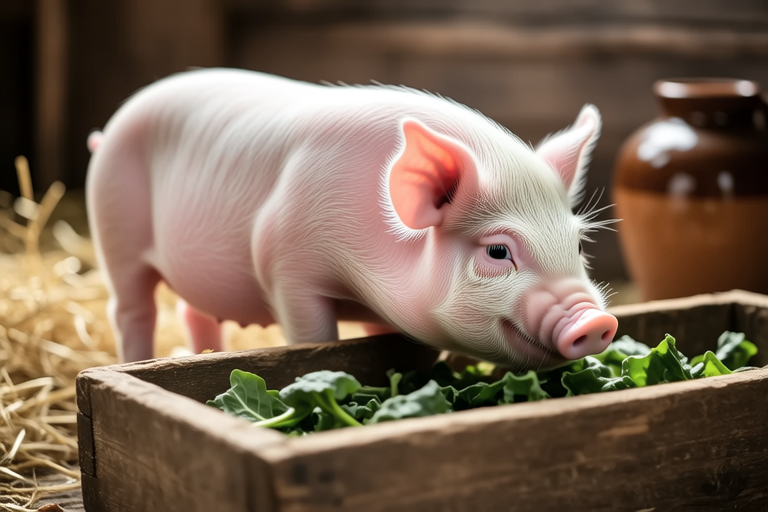
Mini Pigs: The Surprising Facts You Need to Know Before Adopting
Welcome to the world of mini pigs! These charming and intelligent animals have been gaining popularity as pets in recent years. However, before you bring one home, it’s essential to understand their unique needs and characteristics. This article will provide you with all the information you need to make an informed decision about adopting a mini pig.
Average Size and Lifespan
One of the most common misconceptions about mini pigs is their size. While they are indeed smaller than standard pigs, they can still grow quite large. Mini pigs typically weigh between 50 to 70 pounds and can reach heights of up to 3 feet at the shoulder. It’s important to note that there is significant variation in size among different breeds, so be sure to research the specific breed you’re interested in.
When it comes to lifespan, mini pigs can live for 12 to 20 years, depending on factors such as genetics, diet, and overall care. This means that adopting a mini pig is a long-term commitment, so be prepared to dedicate yourself to their well-being for many years.
Dietary Requirements
Proper nutrition is crucial for maintaining the health and longevity of your mini pig. A balanced diet should include high-quality pig-specific pellets, fresh vegetables, and limited fruits. Avoid feeding them processed foods or table scraps, as these can lead to obesity and other health problems.
Mini pigs are prone to overeating, so portion control is key. Consult with your veterinarian to determine the appropriate amount of food based on your pig’s age, weight, and activity level. Additionally, ensure that fresh water is always available to prevent dehydration.
Exercise Needs
Like any other animal, mini pigs require regular exercise to stay healthy and happy. Daily walks or playtime in a safe, enclosed area are excellent ways to keep your pig active. Providing toys and enrichment activities can also help stimulate their minds and prevent boredom.
Remember that mini pigs are intelligent creatures that thrive on mental stimulation. Puzzle feeders, interactive games, and training sessions can all contribute to their physical and mental well-being. Be creative and find activities that both you and your pig enjoy.
Grooming Tips
Grooming is an essential part of caring for your mini pig. Regular brushing helps remove loose hair and prevents matting, especially during shedding seasons. Use a soft-bristled brush or a slicker brush to gently comb through their coat.
Nail trimming is another important aspect of grooming. Overgrown nails can cause discomfort and affect your pig’s mobility. If you’re unsure how to trim them, consult with a professional groomer or your veterinarian for guidance. Additionally, check your pig’s ears and teeth regularly for signs of infection or dental issues.
Common Health Issues
Despite their generally robust health, mini pigs are susceptible to certain conditions. Obesity is a prevalent issue, often caused by overfeeding or lack of exercise. To combat this, maintain a balanced diet and encourage regular physical activity.
Other common health problems include respiratory infections, parasites, and dental issues. Regular veterinary check-ups are vital for early detection and treatment of these conditions. Vaccinations and preventive care, such as deworming, are also necessary to protect your pig from diseases.
Behavioral Traits
Mini pigs are known for their intelligence, curiosity, and social nature. They form strong bonds with their human companions and can be trained to perform tricks and respond to commands. Positive reinforcement techniques, such as treats and praise, work best when training your pig.
It’s important to note that mini pigs can be territorial and may display aggressive behavior if provoked. Early socialization and consistent training can help prevent aggression and promote good behavior. Providing plenty of mental and physical stimulation can also reduce unwanted behaviors like chewing or digging.
The Responsibilities of Owning a Mini Pig
Owning a mini pig comes with several responsibilities. First and foremost, you must ensure that your pig has a safe and comfortable living environment. Mini pigs are social animals that thrive in the company of others, so consider adopting a pair if possible. Provide them with a spacious indoor or outdoor area where they can move freely and explore.
Another responsibility is ensuring proper nutrition and exercise. As mentioned earlier, mini pigs require a balanced diet and regular physical activity to maintain optimal health. Additionally, you should be prepared to spend time grooming your pig and addressing any health concerns that arise.
Finally, be aware of local laws and regulations regarding mini pigs. Some areas have restrictions on keeping pigs as pets, so it’s essential to research and comply with any legal requirements before bringing one home.
Advice for Potential Owners
If you’re considering adopting a mini pig, take the time to educate yourself about their needs and responsibilities. Research reputable breeders or shelters and visit with potential pigs to ensure compatibility. Remember that adopting a mini pig is a long-term commitment, so be prepared to dedicate yourself to their care for many years.
Additionally, consider seeking advice from experienced mini pig owners or joining online communities dedicated to pig care. These resources can provide valuable insights and support as you embark on this rewarding journey.
Conclusion
Mini pigs are fascinating and loving animals that can make wonderful companions for the right owner. By understanding their unique needs and responsibilities, you can ensure a happy and healthy life for your new pet. With proper care and attention, your mini pig will bring joy and companionship to your home for many years to come.
