From Seed to Snout: The Best Foods to Feed Your Hamster Daily
Welcome to the world of hamster care! Providing your furry friend with a balanced diet is crucial for their health and longevity. Just like humans, hamsters need a variety of nutrients to thrive. In this guide, we’ll explore the best foods to feed your hamster daily, ensuring they maintain a healthy weight and enjoy a long, happy life.
The Importance of a Balanced Diet
A balanced diet is key to your hamster’s well-being. Proper nutrition supports their immune system, promotes healthy growth, and prevents various diseases. A diet lacking essential nutrients can lead to malnutrition, obesity, or other health issues. By understanding what your hamster needs, you can provide them with the best possible care.
Essential Nutrients for Hamsters
Your hamster requires a mix of proteins, fats, carbohydrates, vitamins, and minerals. Proteins are vital for muscle development and repair. Fats provide energy and support healthy skin and coat. Carbohydrates are the primary source of energy, while vitamins and minerals ensure proper bodily functions.
Recommended Staple Foods: Pellets
Pellets are a cornerstone of a hamster’s diet. They’re formulated to meet all of your pet’s nutritional requirements. Choose high-quality pellets that contain a balanced mix of grains, seeds, and dried fruits. Avoid pellets with artificial additives or preservatives. Feeding your hamster a consistent amount of pellets ensures they receive a steady supply of essential nutrients.
Safe Fruits and Vegetables in Moderation
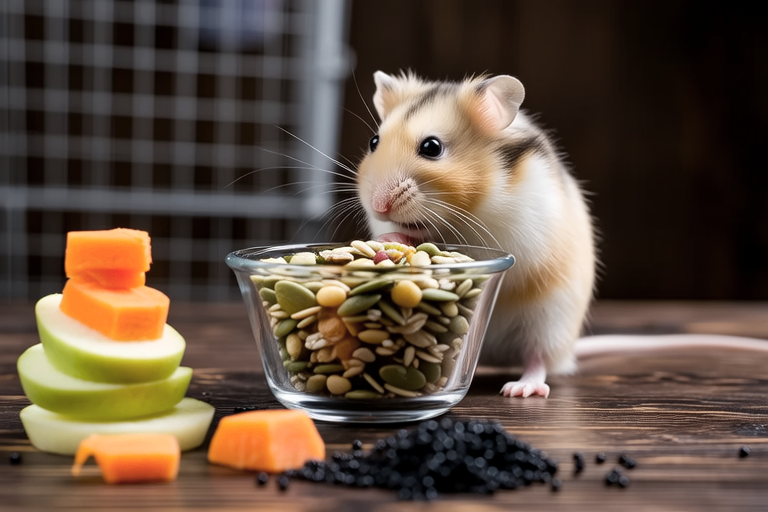
Fruits and vegetables add variety and flavor to your hamster’s diet. However, they should be given in moderation due to their sugar content. Safe options include carrots, broccoli, spinach, apples, and blueberries. Always wash produce thoroughly before offering it to your hamster. Introduce new foods gradually to monitor for any adverse reactions.
Treats: Seeds and Nuts
Treats like seeds and nuts can be rewarding but should be given sparingly. While they’re rich in fats and proteins, excessive consumption can lead to obesity and digestive issues. Offer seeds and nuts as occasional rewards rather than regular snacks. Consider mixing them into your hamster’s food bowl to encourage foraging behavior.
Portion Sizes and Frequency of Feeding
Provide small portions of food twice daily. A tablespoon of pellets is usually sufficient for adult hamsters. Adjust the quantity based on your hamster’s activity level and weight. Monitor their eating habits and adjust portions accordingly. Offering a variety of foods keeps meals interesting and encourages natural foraging behaviors.
Avoiding Harmful Foods
Certain foods are toxic to hamsters and should never be included in their diet. These include chocolate, caffeine, citrus fruits, raw beans, rhubarb, onions, and garlic. Be cautious with dairy products, as many hamsters are lactose intolerant. Always research any new food before introducing it to your hamster’s diet.
Monitoring Your Hamster’s Weight
Regularly check your hamster’s weight to ensure they’re maintaining a healthy body condition. Weigh your hamster weekly using a digital scale designed for small animals. If you notice significant weight gain or loss, consult a veterinarian. Adjust the diet as needed to promote a stable weight.
Conclusion
Feeding your hamster a balanced and varied diet is essential for their health and happiness. By providing the right mix of staple foods, fruits, vegetables, and occasional treats, you can help your furry friend live a long and vibrant life. Remember to monitor their weight regularly and make adjustments as necessary. With proper care, your hamster will thrive, bringing joy and companionship to your home.
