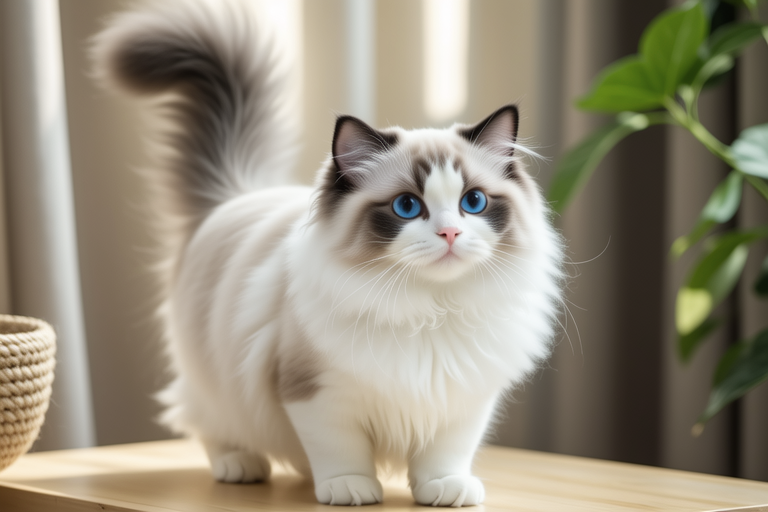
Ragdolls Unleashed: Discovering the Gentle Giant of Cats
Welcome to the fascinating world of Ragdoll cats, often referred to as the gentle giants of the feline kingdom. These magnificent creatures are known for their striking appearance, loving personalities, and impressive size. In this article, we will explore the unique characteristics of Ragdolls, their history, ideal living conditions, and common health concerns. We’ll also delve into their temperament and interactions with families, including children and other pets. Additionally, we will provide essential tips for potential owners on grooming, training, and maintaining their health. By the end of this journey, you’ll understand why Ragdolls are considered exceptional companions.
The Unique Characteristics of Ragdoll Cats
Ragdolls are medium to large-sized cats, weighing between 8 to 20 pounds when fully grown. Their most distinctive feature is their docile and affectionate nature, which is why they are often compared to dogs in terms of loyalty and attachment. Ragdolls are known to follow their owners around the house, enjoy being petted, and even seek out human company. They are not only large but also surprisingly soft, with a plush coat that feels like rabbit fur.
One of the most intriguing traits of Ragdolls is their tendency to go limp when picked up, much like a rag doll. This behavior is particularly charming and endearing, making them excellent lap cats. Their eyes are typically blue, adding to their ethereal beauty, and their coat can come in various colors and patterns, including seal point, chocolate point, blue point, and lilac point.
Origins and History of Ragdoll Cats
The history of Ragdoll cats dates back to the 1960s in California, where Ann Baker, a breeder, created the breed. She crossbred several domestic shorthair and longhair cats to produce a cat with a calm demeanor and a luxurious coat. The resulting offspring became the foundation for what we now know as the Ragdoll breed. Despite some controversy surrounding the origin story, the Ragdoll has gained widespread popularity due to its unique characteristics.
Ideal Living Conditions for Ragdolls
Ragdolls thrive in environments that provide comfort and security. They prefer warm, cozy spaces where they can relax and be close to their owners. A quiet home with minimal stress is ideal for these sensitive creatures. Ragdolls are adaptable and can live comfortably in apartments or houses, provided they have enough space to move around and access to outdoor areas under supervision.
It’s important to ensure that your Ragdoll has plenty of toys and scratching posts to keep them mentally stimulated and physically active. Providing a variety of climbing structures and perches can help them feel secure and entertained. Additionally, consider creating a safe outdoor enclosure or allowing supervised visits outside to explore and enjoy the fresh air.
Common Health Concerns for Ragdoll Cats
Like any breed, Ragdolls are prone to certain health issues. Hypertrophic cardiomyopathy (HCM) is a heart condition that affects many Ragdolls, leading to thickening of the heart muscle. Regular veterinary check-ups and early detection are crucial for managing this condition. Other common health problems include obesity, dental disease, and urinary tract infections.
To promote good health, maintain a balanced diet and regular exercise routine. Obesity is a significant concern for Ragdolls, so monitor their food intake and offer healthy treats. Regular brushing helps prevent hairballs and keeps their coat shiny and healthy. Additionally, schedule routine dental cleanings and vaccinations to protect against common diseases.
Ragdoll Temperament and Interaction with Families
Ragdolls are renowned for their gentle and affectionate nature, making them ideal companions for families. They are patient and tolerant, especially with children, who can play with them without fear of aggression. Ragdolls tend to adapt well to new environments and are usually welcoming of strangers, which makes them great social animals.
When introduced to other pets, Ragdolls generally get along well. Their calm demeanor helps them coexist peacefully with dogs and other cats. However, it’s always wise to supervise initial interactions and allow all animals to acclimate at their own pace. Patience and understanding are key when integrating a new Ragdoll into a multi-pet household.
Tips for Potential Owners
Grooming
Ragdolls have semi-long coats that require regular grooming to prevent matting and tangles. Brush them at least twice a week to remove loose fur and distribute natural oils throughout their coat. During shedding seasons, increase the frequency to daily brushing. Bathing is generally unnecessary unless the cat gets particularly dirty.
Training
Training Ragdolls is relatively easy due to their intelligent and cooperative nature. Positive reinforcement techniques, such as treats and praise, work best. You can teach them simple commands like ‘sit’ or ‘come,’ and even train them to use a litter box properly. Consistency and patience are essential when teaching new behaviors.
Maintaining Health
Regular veterinary care is vital for keeping Ragdolls healthy. Schedule annual check-ups and discuss any concerns with your veterinarian. Vaccinations, flea and tick prevention, and dental care are essential components of their healthcare routine. Additionally, maintain a balanced diet rich in nutrients to support their overall health.
Why Ragdolls Make Exceptional Companions
Ragdolls are cherished for their unwavering loyalty and affection, making them exceptional companions. Their calming presence can reduce stress and anxiety, providing emotional support to their owners. Many owners report feeling a deep bond with their Ragdolls, describing them as their best friends.
Research supports the therapeutic benefits of owning a Ragdoll. Studies have shown that interacting with cats can lower blood pressure and improve mental health. For instance, a study conducted by the American Heart Association found that cat owners had a lower risk of cardiovascular diseases compared to non-cat owners. These findings highlight the positive impact Ragdolls can have on our lives.
In conclusion, Ragdoll cats are truly remarkable creatures with unique characteristics that make them stand out from other breeds. Their affectionate nature, large size, and gentle demeanor make them ideal companions for families. By understanding their needs and providing proper care, you can ensure a happy and healthy life for your Ragdoll. Whether you’re a current owner or considering adopting one, Ragdolls are sure to bring joy and love into your home.
