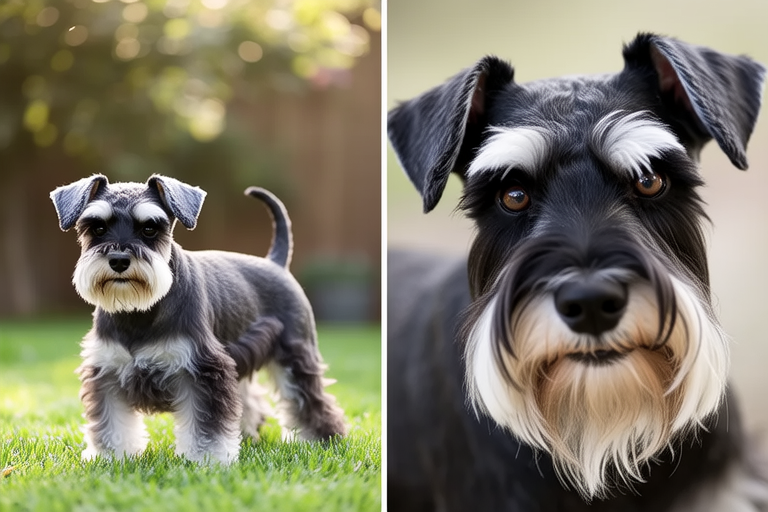
From Puppy to Adult: The Journey of Raising a Schnauzer
Welcome to the wonderful world of raising a Schnauzer! These charming, intelligent dogs have been a favorite among dog lovers for generations. Their distinctive beards and wiry coats make them instantly recognizable, but their personality and loyalty are what truly set them apart. This guide will take you through every stage of your Schnauzer’s life, from playful puppyhood to mature adulthood. We’ll cover dietary needs, grooming requirements, exercise recommendations, and behavioral training tips, ensuring you’re well-equipped to provide the best care for your furry friend.
Puppyhood: The Early Months
Raising a Schnauzer puppy is an exciting journey filled with growth and learning. Puppies are bundles of energy and curiosity, and they require special attention during this crucial phase of their development. Here’s what you need to know about caring for your Schnauzer puppy:
Dietary Needs
During the first year of your Schnauzer’s life, proper nutrition is essential for healthy growth. A high-quality puppy food that meets AAFCO standards is recommended. Look for foods rich in protein and fats, as these are vital for muscle development and overall health. Avoid overfeeding, which can lead to obesity and joint problems. Always consult your veterinarian before making any changes to your puppy’s diet.
Grooming Requirements
Schnauzers have a double coat that requires regular grooming to maintain its texture and appearance. Start by brushing your puppy’s coat at least twice a week to remove loose hair and prevent matting. Use a slicker brush to reach the undercoat. Professional grooming sessions are also necessary every six to eight weeks to keep their coat trimmed and neat. Pay special attention to their beard and eyebrows, as these areas tend to collect debris and require thorough cleaning.
Exercise Recommendations
Young Schnauzers have boundless energy and need plenty of physical activity to stay healthy and happy. Daily walks and playtime in a secure area are ideal. Consider enrolling your puppy in puppy classes where they can socialize with other dogs and learn basic obedience commands. Exercise not only helps with physical development but also aids in mental stimulation, reducing destructive behaviors.
Behavioral Training Tips
Training your Schnauzer early is key to developing good behavior habits. Positive reinforcement techniques work best; reward desired behaviors with treats and praise. Consistency is crucial, so establish clear rules and boundaries from the start. Socialization is equally important; expose your puppy to various environments, people, and situations to build confidence and reduce fear or aggression.
Youth: Becoming an Adolescent
As your Schnauzer transitions from puppyhood to adolescence, you’ll notice changes in their behavior and energy levels. Adolescence is often challenging, but with patience and understanding, you can help your dog navigate this phase successfully.
Dietary Adjustments
By now, your Schnauzer has grown significantly and may need more substantial meals. Switch to adult dog food that provides balanced nutrition for their growing bodies. Continue monitoring portion sizes to avoid weight gain. Consult your vet for personalized dietary advice based on your Schnauzer’s age, size, and activity level.
Grooming Maintenance
Your Schnauzer’s grooming needs remain consistent throughout their youth. Regular brushing and professional grooming sessions are still necessary. Additionally, check their ears weekly for signs of infection or irritation, and clean them gently if needed. Keep their nails trimmed to prevent discomfort and ensure they walk comfortably.
Exercise and Mental Stimulation
Adolescent Schnauzers still require plenty of exercise but may show signs of increased independence. Continue providing daily walks and play sessions, but introduce more complex activities like agility courses or interactive toys to challenge their minds. Mental stimulation is just as important as physical exercise during this phase.
Behavioral Challenges
Adolescence can bring behavioral challenges such as chewing, barking, or testing boundaries. Stay calm and consistent in addressing these issues. Redirect unwanted behaviors with positive reinforcement and offer alternative outlets for their energy, such as chew toys or puzzle feeders.
Maturity: Embracing Adulthood
Once your Schnauzer reaches adulthood, they become more settled and predictable. This stage is characterized by a balance between playfulness and maturity. Understanding their needs during this period ensures a harmonious relationship.
Dietary Considerations
Adult Schnauzers benefit from a well-balanced diet designed for their specific breed and activity level. Opt for premium dog foods that support joint health, especially if your Schnauzer is prone to arthritis. Monitor their weight closely and adjust portions accordingly. Senior dogs may require specialized diets later in life.
Grooming Routines
Regular grooming remains essential for adult Schnauzers. Continue brushing their coat weekly and scheduling professional grooming appointments every six to eight weeks. Pay extra attention to their skin during grooming sessions, checking for any abnormalities or signs of discomfort.
Exercise Needs
Adult Schnauzers typically require less intense exercise than puppies but still need regular physical activity. Aim for two walks per day and incorporate mental stimulation exercises. Swimming or playing fetch can also be enjoyable activities for your mature Schnauzer.
Behavioral Insights
The temperament of Schnauzers tends to stabilize as they mature. They generally become more relaxed yet retain their protective instincts. Encourage gentle interactions with visitors and reinforce positive behaviors consistently. Socialization continues to be beneficial even in adulthood.
Senior Years: Caring for an Aging Schnauzer
As your Schnauzer enters their senior years, their care needs change. Senior Schnauzers may experience reduced mobility, cognitive decline, or other age-related conditions. Tailoring your approach to meet their evolving needs ensures a comfortable and fulfilling life.
Dietary Adjustments
Senior Schnauzers benefit from a diet tailored to their aging bodies. Look for senior-specific formulas that support joint health, digestion, and overall wellness. Consult your veterinarian for personalized dietary recommendations based on your dog’s health status.
Grooming Care
Continue regular grooming routines, paying close attention to any changes in your Schnauzer’s coat or skin. Older dogs may develop dry skin or sensitive spots that require extra care. Gently massage their coat while grooming to stimulate circulation and promote relaxation.
Exercise Modifications
Adjust exercise routines to accommodate your senior Schnauzer’s changing abilities. Shorter walks at a slower pace are usually sufficient. Incorporate low-impact activities like swimming or gentle stretching exercises to maintain flexibility and muscle tone.
Health Monitoring
Regular veterinary check-ups are crucial for detecting potential health issues early. Common age-related conditions include arthritis, dental disease, and cognitive dysfunction. Preventive measures such as joint supplements, dental care, and environmental enrichment can improve quality of life.
Common Health Issues and Prevention
Schnauzers are generally healthy dogs, but certain health issues are more prevalent in the breed. Awareness and proactive care can help manage these concerns effectively.
Hereditary Conditions
Some hereditary conditions affect Schnauzers, including hip dysplasia, epilepsy, and diabetes. Responsible breeding practices and genetic testing can reduce the risk of inheriting these conditions. Regular vet visits allow for early detection and management.
Preventative Measures
Vaccinations, flea/tick prevention, and routine dental care are essential for maintaining your Schnauzer’s health. Implement a consistent schedule for these preventive measures. Additionally, maintain a healthy weight through proper diet and exercise to reduce strain on joints and organs.
Temperament Evolution
The temperament of Schnauzers evolves over time, influenced by genetics, environment, and upbringing. Understanding these changes helps you provide appropriate guidance and support.
Puppy Stage
Puppies are curious and energetic, often testing limits and seeking attention. They are highly adaptable and eager to learn, making them ideal candidates for training.
Adolescent Stage
Adolescence brings a mix of independence and rebellion. Schnauzers may become more assertive and less responsive to commands. Patience and consistency are key during this phase.
Adult Stage
Adult Schnauzers tend to be more stable and confident. They are loyal companions who enjoy spending time with their families. Their protective nature makes them excellent watchdogs.
Senior Stage
In their senior years, Schnauzers may become quieter and less active. They appreciate routine and affection, thriving in peaceful environments. Their bond with family members deepens, providing comfort and companionship.
Raising a Schnauzer is a rewarding experience filled with love, laughter, and learning. By understanding their unique needs at each stage of life, you can ensure a happy and healthy existence for your beloved pet. Whether you’re a new owner or a seasoned handler, this guide offers valuable insights to enhance your relationship with your Schnauzer. Enjoy the journey!
