Unveiling the Mystique: All You Need to Know About Abyssinian Cats
Abyssinian cats, with their striking appearance and enigmatic aura, have long captivated the hearts of cat enthusiasts worldwide. These elegant felines possess a unique beauty that sets them apart from other breeds. Their coats, which come in a variety of captivating shades, are marked by a distinctive ticked pattern, giving them a sleek and sophisticated look. This article delves into the fascinating world of Abyssinian cats, exploring their origins, characteristics, care requirements, and more.
The Unique Appearance of Abyssinian Cats
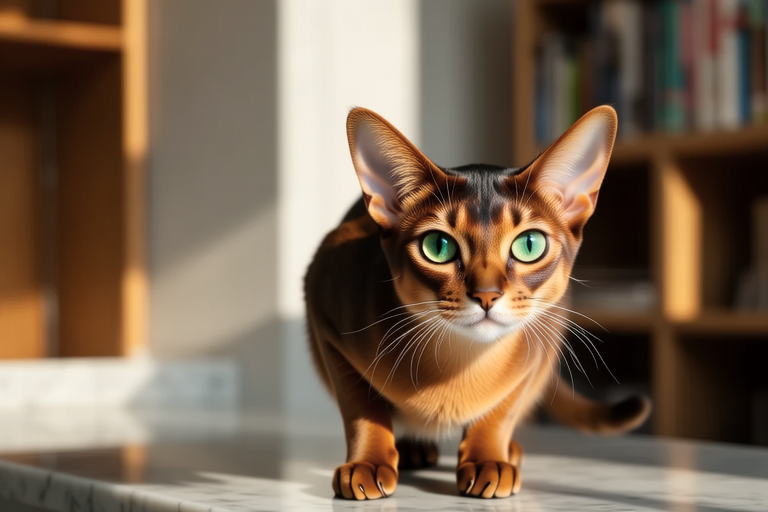
The most noticeable feature of Abyssinian cats is their luxurious, short coat, which features a stunning array of colors. The most common color is ruddy, characterized by a warm reddish-brown base with black ticking. Other recognized colors include blue, fawn, and cinnamon. Each hair has bands of color, creating a unique ticked effect that adds to their elegance. This characteristic is reminiscent of the wild African serval, adding to the breed’s exotic allure.
Besides their striking coats, Abyssinians also boast large, expressive eyes that can be green or gold, set against their slender, muscular bodies. Their heads are wedge-shaped, tapering to a fine muzzle, and their ears are large and alert, giving them an almost perpetually curious expression. Their agility and grace are further enhanced by their long legs and arched backs, making them appear both poised and athletic.
The Origins and History of Abyssinian Cats
The origins of the Abyssinian cat are steeped in mystery and legend. While the exact origin of the breed remains unclear, it is widely believed that they originated in ancient Egypt, where they were revered and often depicted in hieroglyphics. Some theories suggest that these cats may have been brought to Britain by British soldiers returning from the Abyssinian campaign in the 1860s. One of the first recorded Abyssinian cats was named Zula, who was exhibited at the Crystal Palace Cat Show in London in 1871.
Despite their name, which suggests a connection to Abyssinia (now known as Ethiopia), there is no definitive evidence linking the breed directly to this region. Instead, genetic studies suggest that modern Abyssinians share a common ancestor with Southeast Asian breeds, such as the Burmese and Siamese. Regardless of their true origins, Abyssinians have become a beloved and respected breed in the cat fancy, appreciated for their unique appearance and engaging personalities.
The Temperament of Abyssinian Cats
Abyssinian cats are renowned for their playful, intelligent, and affectionate nature. They are often described as being highly interactive and enjoy spending time with their human companions. Their intelligence makes them curious and inquisitive, always seeking out new experiences and challenges. Abyssinians are known to be excellent problem solvers and can learn tricks and respond to commands, making them a joy to train.
These cats are highly social and thrive in environments where they receive plenty of attention and stimulation. They form strong bonds with their owners and can be quite vocal, often communicating their needs and desires through chirps and trills. Despite their independent streak, Abyssinians are not solitary animals and prefer to be part of a family. Their playful demeanor means they enjoy games and toys, particularly those that involve chasing and pouncing.
Care Requirements for Abyssinian Cats
Caring for an Abyssinian cat requires attention to their dietary needs, grooming, and exercise. As with all cats, a balanced diet rich in proteins, fats, vitamins, and minerals is essential. High-quality commercial cat food formulated for their age, size, and activity level is usually sufficient. Fresh water should always be available, and treats should be given sparingly to avoid obesity.
Grooming an Abyssinian cat is relatively straightforward due to their short, dense coats. Regular brushing helps remove loose hairs and prevents matting, although these cats shed less than many other breeds. Bathing is rarely necessary unless the cat gets excessively dirty, but nail trimming and dental care are important parts of their grooming routine. Abyssinians are generally clean cats and will spend significant time grooming themselves.
Exercise is crucial for maintaining the health and happiness of an Abyssinian cat. Providing them with climbing structures, scratching posts, and interactive toys can help keep them physically active and mentally stimulated. They enjoy games that involve chasing and pouncing, so laser pointers, feather wands, and other interactive toys are excellent choices. Regular play sessions can also strengthen the bond between the cat and its owner.
Health Considerations for Abyssinian Cats
Like all breeds, Abyssinian cats are prone to certain health issues. One of the most common conditions affecting Abyssinians is Periodontal Disease, which can lead to tooth loss and other serious health problems if left untreated. Regular dental check-ups and good oral hygiene practices, such as brushing their teeth and providing dental treats, are essential.
Another condition to watch for is Renal Amyloidosis, a hereditary disease that affects the kidneys. It is more prevalent in Abyssinians and can cause kidney failure. Early detection and management are key to improving the quality of life for affected cats. Regular veterinary check-ups and blood tests can help monitor kidney function and catch any signs of disease early.
Additionally, Abyssinians may be predisposed to Hypertrophic Cardiomyopathy (HCM), a heart condition that can lead to sudden death if not managed properly. Genetic testing can identify carriers of the gene responsible for HCM, allowing for informed breeding decisions and better care for affected cats.
Bringing Home an Abyssinian Cat
If you’re considering adding an Abyssinian cat to your family, there are several factors to keep in mind. First and foremost, these cats are highly social and require plenty of interaction and attention. They thrive in households where they are treated as valued members of the family and provided with opportunities for play and companionship.
When bringing home an Abyssinian kitten, it’s important to ensure that they are properly socialized and accustomed to handling. Kittens should be introduced gradually to new environments and people, allowing them to acclimate at their own pace. Providing a safe and comfortable space for them to explore and play is essential during this transition period.
As they grow, Abyssinians continue to benefit from regular interaction and mental stimulation. Interactive play sessions, training exercises, and positive reinforcement techniques can help build a strong bond between the cat and its owner. Their playful and affectionate nature makes them wonderful companions for families who are willing to invest time and effort into their care.
In conclusion, Abyssinian cats are a truly unique and captivating breed, offering a blend of elegance, intelligence, and charm. Whether you’re a seasoned cat owner or considering adopting your first feline friend, the Abyssinian is sure to bring joy and companionship to your home. By understanding their origins, characteristics, and care requirements, you can provide your Abyssinian cat with a fulfilling and healthy life. Embrace their mystique and enjoy the rewarding experience of sharing your life with one of these extraordinary creatures.
