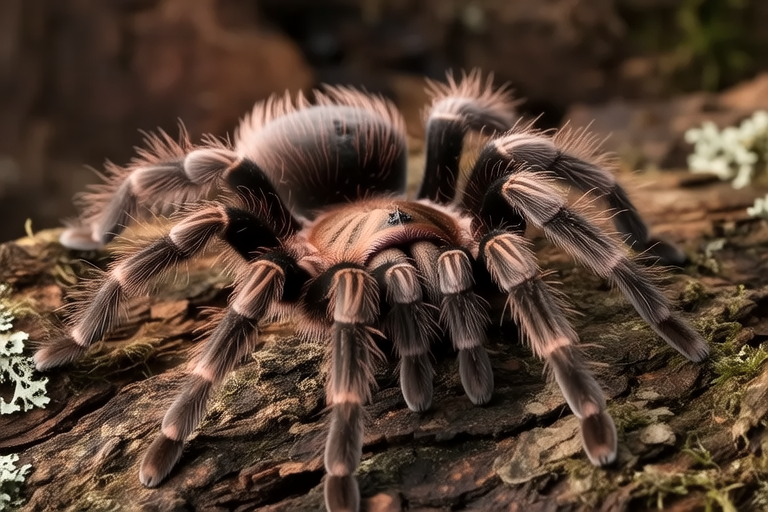
The Coolest Species of Tarantulas Perfect for Unique Pet Lovers
For unique pet enthusiasts, tarantulas offer a fascinating alternative to traditional pets. These spiders, known for their impressive size and varied appearances, captivate owners with their mysterious allure. Tarantulas make excellent pets for those who seek a low-maintenance, exotic companion that requires minimal attention but offers high engagement through observation and interaction.
Choosing the Right Tarantula: Key Considerations
When selecting a tarantula, several factors must be taken into account to ensure the best match between the spider and its owner. Temperament, size, care requirements, and lifespan are crucial elements to consider. Some tarantulas are more docile, making them suitable for beginners, while others are more aggressive and better suited for experienced handlers. Size can also vary greatly, from small species that fit comfortably in a small terrarium to larger ones that require spacious enclosures. Care requirements include humidity levels, temperature control, and dietary needs. Lastly, understanding the average lifespan of different species helps owners prepare for the long-term commitment.
Top Tarantula Species for Unique Pet Lovers
1. Mexican Redknee Tarantula (Brachypelma smithi)
The Mexican Redknee tarantula is one of the most popular pet tarantulas due to its striking appearance and gentle nature. Known for its distinctive red bands on its legs, this species is relatively easy to care for and has a lifespan of up to 30 years. It prefers a warm and humid environment, making it ideal for beginner owners.
2. Pink-Toed Tarantula (Avicularia avicularia)
The Pink-Toed tarantula is another favorite among tarantula enthusiasts. With its pink-tipped legs and vibrant coloring, it’s visually appealing. This species is more active than many other tarantulas and enjoys climbing, making it perfect for owners who want to observe their pet’s movements. The Pink-Toed tarantula requires a moderate level of humidity and prefers temperatures between 78-86°F.
3. Chilean Rose Tarantula (Grammostola rosea)
The Chilean Rose tarantula is known for its rose-colored hue and calm demeanor. This species is often recommended for beginners due to its hardiness and ease of care. It thrives in a dry environment and can live up to 10 years. The Chilean Rose is also relatively inexpensive, making it an accessible option for those new to tarantula ownership.
4. Goliath Birdeater (Theraphosa blondi)
The Goliath Birdeater is the largest tarantula species, earning its name from its impressive size. Despite its intimidating appearance, it is generally docile and slow-moving. However, its large size means it requires a spacious enclosure and a higher level of care. This species is best suited for experienced owners who can handle the challenges of caring for such a massive spider.
5. Brazilian Black Tarantula (Acanthoscurria geniculata)
The Brazilian Black tarantula is known for its glossy black body and robust build. This species is relatively easy to care for and has a lifespan of around 15 years. It prefers a warm and humid environment and is generally docile, making it a good choice for intermediate owners.
6. Cobalt Blue Tarantula (Haplopelma lividum)
The Cobalt Blue tarantula is a rare and highly sought-after species, prized for its stunning blue coloration. This species is more aggressive and requires careful handling, making it better suited for experienced owners. It prefers a warm and humid environment and can live up to 10 years.
7. Guyana Flagman (Pachistopelma rufonigrum)
The Guyana Flagman is a medium-sized tarantula with a striking red and black pattern on its abdomen. This species is known for its calm demeanor and is relatively easy to care for. It prefers a warm and humid environment and can live up to 10 years. The Guyana Flagman is a great choice for intermediate owners looking for a visually appealing and manageable pet.
General Advice on Tarantula Ownership
Setting up the right habitat is crucial for the well-being of your tarantula. A secure enclosure with proper ventilation is essential, along with appropriate substrate and hiding spots. Temperature and humidity levels should be carefully controlled to mimic the spider’s natural environment. Feeding your tarantula involves providing a balanced diet of insects, such as crickets and mealworms. Handling should be done with care, as tarantulas can be delicate and may react defensively if stressed. Common health issues include dehydration, mites, and poor shedding, all of which can be mitigated with proper care and attention.
