Siamese Kittens: A Journey Through Their Unique Development Stages
Welcome to a comprehensive guide that delves into the fascinating world of Siamese kittens. This article will take you through their distinct developmental stages, from birth to adulthood, highlighting their unique characteristics, care requirements, and health considerations. Whether you’re a seasoned cat owner or a first-time pet parent, this journey will provide valuable insights to ensure your Siamese kitten grows into a healthy, happy adult.
The Neonatal Period: Birth to Three Weeks
Siamese kittens enter the world with distinct features that set them apart from other breeds. At birth, their eyes are typically closed, and their ears are folded against their heads. They have pink skin, which gradually develops their characteristic coat coloration. The Siamese breed is known for its striking points, which develop as the kittens age due to temperature-sensitive pigmentation.
During this stage, Siamese kittens rely entirely on their mother for warmth, nourishment, and protection. They are incredibly vulnerable and require a quiet, warm environment. Their primary activity is feeding and sleeping. By the third week, their eyes begin to open, revealing their distinctive blue eyes, and their ears start to unfold. Around this time, they also begin to explore their surroundings, albeit cautiously.
Care during the neonatal period involves ensuring the kittens are kept warm, especially if they are separated from their mother. Use heating pads or hot water bottles wrapped in towels to maintain a comfortable temperature. Regular monitoring of their weight gain and overall condition is crucial. If any signs of distress or illness appear, prompt veterinary attention is necessary.
Growth Spurts and Socialization Milestones: Four to Twelve Weeks
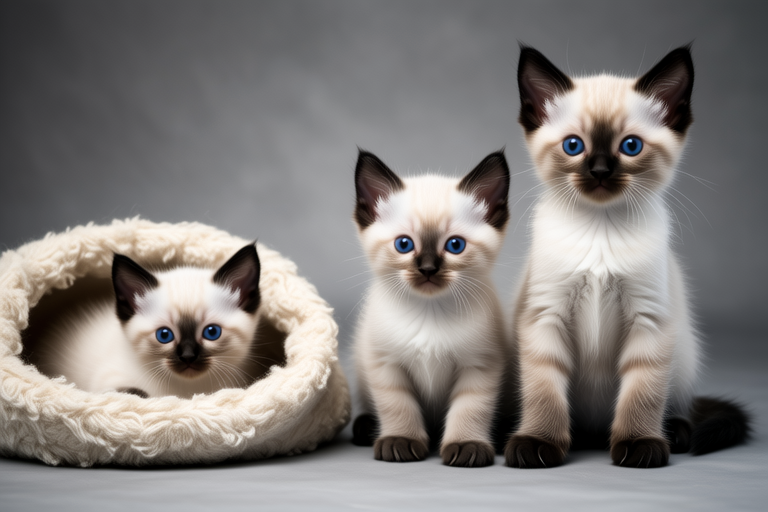
Between four and twelve weeks, Siamese kittens experience significant growth and development. Their coats start to darken around their extremities, including their paws, ears, and tail, while their bodies remain lighter in color. This contrast, known as ‘pointing,’ becomes more pronounced as they mature.
Socialization is a critical aspect of this phase. Introducing them to various people, environments, and stimuli helps them become well-adjusted and confident adults. Positive interactions with family members, gentle handling, and exposure to different sounds and textures can greatly influence their future behavior.
Dietary adjustments are necessary as they transition from nursing to solid food. Gradually introduce high-quality kitten food, starting with small portions and increasing as they grow. Ensure fresh water is always available. Consult your veterinarian about appropriate nutrition and supplements to support their rapid growth.
Health Considerations Specific to Siamese Breeds
Siamese kittens are generally robust, but certain health issues are more prevalent in this breed. Progressive retinal atrophy (PRA) is a genetic disorder that can lead to blindness. Regular eye examinations by a veterinary ophthalmologist can help monitor their ocular health.
Hereditary liver amyloidosis is another concern, characterized by the buildup of abnormal proteins in the liver. Early detection and management through a balanced diet and regular veterinary check-ups are essential. Dental issues, such as tooth resorption, are also common. Maintaining good oral hygiene through regular brushing and professional cleanings can prevent complications.
Transitioning Into Kittenhood: Thirteen to Twenty-Four Weeks
As Siamese kittens enter kittenhood, their personalities become more apparent. They are known for their vocal nature, often engaging in conversations with their owners. Their intelligence and curiosity make them excellent companions but also require mental stimulation to prevent boredom.
Physical development continues with muscle growth and coordination refinement. They become more agile and playful, engaging in activities like chasing toys and climbing. During this period, they may also undergo their first vaccination series and deworming treatments. Regular veterinary visits are crucial to monitor their health and address any concerns early.
Preparing for Adulthood: Twenty-Five Weeks and Beyond
By twenty-five weeks, Siamese kittens are approaching adulthood. Their coat has fully developed, showcasing the breed’s iconic pattern. Their temperament stabilizes, although they remain affectionate and interactive. Providing continuous care and enrichment is vital for their well-being.
Enrichment activities such as puzzle feeders, interactive toys, and training sessions can keep their minds engaged. Mental stimulation helps prevent behavioral problems and promotes a healthy lifestyle. Regular exercise, both physical and mental, is essential to maintain their vitality.
As they transition into adulthood, maintaining a balanced diet tailored to their nutritional needs is important. High-quality cat food that supports joint health and cognitive function can enhance their quality of life. Regular veterinary check-ups, dental care, and grooming routines should continue to ensure their overall health.
Conclusion: Continuous Care and Enrichment for Siamese Cats
In conclusion, the journey of a Siamese kitten from birth to adulthood is a remarkable one, filled with growth, learning, and bonding. Understanding their unique developmental stages and addressing their specific care requirements ensures they thrive. From the neonatal period to adulthood, providing a nurturing environment, proper nutrition, and continuous enrichment fosters a strong bond between you and your Siamese companion. Embrace each stage with patience and love, and you’ll be rewarded with a lifetime of joy and companionship.
