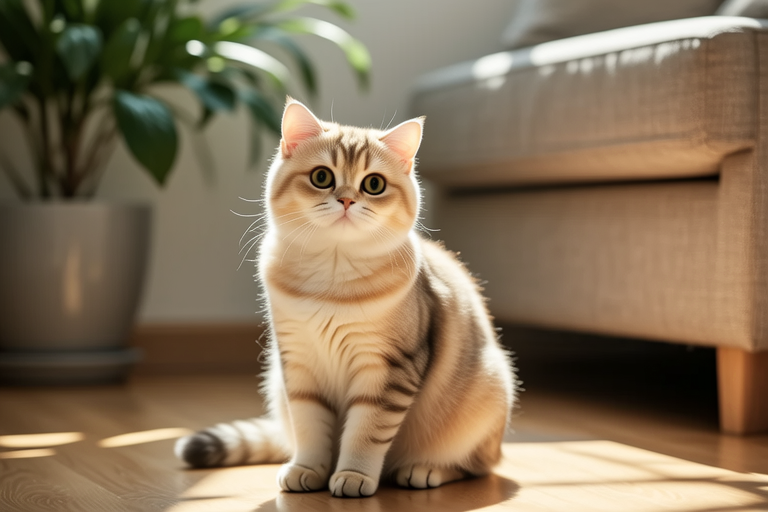
Adopting a Golden British Shorthair: Tips for Future Pet Parents
The Golden British Shorthair is a breed that has captured the hearts of many cat enthusiasts with its striking golden coat and gentle demeanor. Known for their calm and affectionate nature, these cats make wonderful companions for families and individuals alike. Their dense, plush fur requires minimal grooming but adds to their charm, making them a popular choice among cat lovers. This article aims to guide future pet parents through the process of adopting a Golden British Shorthair, offering valuable insights into their care and well-being.
Dietary Needs
Understanding the dietary needs of your Golden British Shorthair is crucial for their overall health and longevity. These cats have specific nutritional requirements that need to be met to maintain their muscle mass and energy levels. A balanced diet rich in proteins, fats, and carbohydrates is essential. High-quality commercial cat foods formulated for indoor cats or those with sensitive stomachs are recommended. Avoid feeding them table scraps or human food, as they can cause digestive issues. It’s important to consult with your veterinarian to determine the best diet for your cat based on age, activity level, and any existing health conditions.
Exercise Requirements
Golden British Shorthairs are known for their laid-back personalities, but they still require regular physical activity to stay healthy. Providing toys that encourage play and exploration is a great way to keep them active. Puzzle feeders and interactive toys can stimulate their minds while also providing some exercise. While they may not be as energetic as some other breeds, it’s important to engage them in play sessions daily to prevent obesity and promote mental stimulation. Consider incorporating short walks or playtime sessions twice a day to ensure they get the necessary exercise.
Grooming Essentials
Despite their thick coats, Golden British Shorthairs are relatively low-maintenance when it comes to grooming. Their dense fur naturally sheds less than other long-haired breeds, which makes them easier to care for. Regular brushing with a slicker brush once or twice a week will help remove loose hair and prevent matting. Bathing should only be done occasionally, typically every few months, unless there is a specific need such as after an accident or if they develop a skin condition. Additionally, trimming their nails every few weeks and cleaning their ears and teeth regularly will contribute to their overall hygiene.
Common Health Issues
Like all breeds, Golden British Shorthairs are prone to certain health issues that potential owners should be aware of. Common conditions include dental problems, obesity, and urinary tract infections. Regular veterinary check-ups are essential to catch and address any health concerns early. Obesity can be managed by monitoring their diet and ensuring they receive adequate exercise. Dental hygiene is vital; brushing their teeth daily and providing chew toys can help maintain oral health. Urinary tract issues can be mitigated by keeping their litter box clean and ensuring they have access to fresh water at all times.
Choosing the Right Vet
Selecting a veterinarian who specializes in feline care is crucial for the well-being of your Golden British Shorthair. Look for a clinic that offers comprehensive services including routine check-ups, vaccinations, and emergency care. Reading reviews and asking for recommendations from friends or fellow pet owners can provide insight into the quality of care offered by different clinics. It’s important to establish a relationship with your chosen vet before you adopt your cat, allowing time to build trust and familiarity. This will ensure that you have a reliable resource for any questions or concerns regarding your pet’s health.
Training Methods
Training your Golden British Shorthair can be both enjoyable and beneficial for both you and your cat. Positive reinforcement techniques, such as rewarding good behavior with treats or praise, are highly effective. Teaching basic commands like ‘come’ or ‘sit’ can help strengthen the bond between you and your pet. Consistency is key when training; using the same words and actions each time will help your cat understand what is expected of them. Patience and gentle encouragement will lead to successful training outcomes.
Creating a Safe Home Environment
Ensuring a safe and comfortable living space for your Golden British Shorthair is paramount. Secure windows and balconies to prevent accidental falls, and provide plenty of hiding spots and climbing areas to satisfy their natural instincts. Cat-proof your home by securing loose wires and hazardous substances out of reach. Installing scratching posts and providing soft bedding will offer comfort and entertainment. Creating a designated area for feeding and littering ensures cleanliness and organization within the household.
Rewarding Experience
Owning a Golden British Shorthair is a deeply rewarding experience filled with joy and companionship. Their affectionate nature and playful demeanor bring endless moments of happiness into your life. Watching them grow and thrive under your care is incredibly fulfilling. The bond formed with your pet becomes a cherished part of family life, adding warmth and love to every day. Embrace the journey of raising this magnificent breed, knowing that you are providing a loving home to a truly special animal.
Further Learning Resources
To deepen your knowledge about Golden British Shorthairs, consider exploring books, articles, and online forums dedicated to feline care. Local pet stores often carry informative literature, and websites offer valuable insights from experienced veterinarians and breeders. Engaging with communities of fellow cat owners can also provide support and practical advice tailored to your specific situation. By continuously educating yourself, you’ll be better equipped to meet the needs of your beloved pet.
