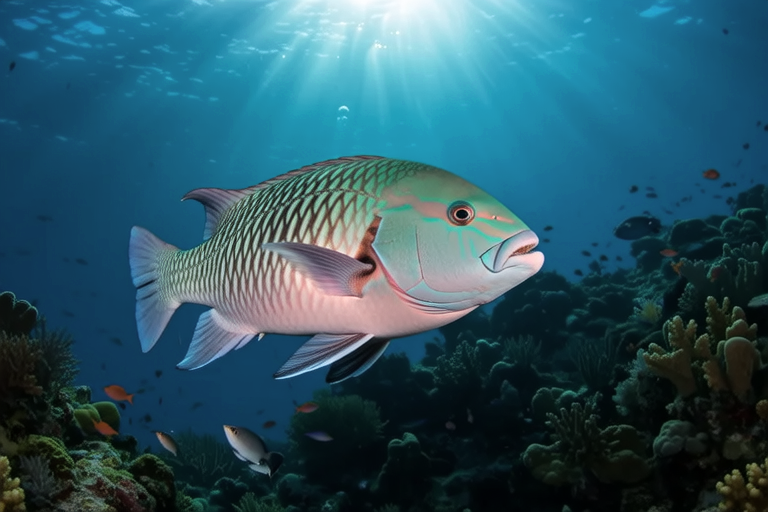
Parrot Fish: The Vibrant Underwater Stars of the Reef
In the vast and colorful world beneath the waves, few creatures stand out as brightly as the parrot fish. These marine marvels, adorned with striking hues and patterns, play a vital role in maintaining the health of coral reefs around the globe. Their vibrant appearance, coupled with fascinating behaviors and ecological significance, make them one of the most captivating species in underwater ecosystems.
A Kaleidoscope of Colors
The parrot fish’s most striking feature is undoubtedly its dazzling array of colors. Imagine a spectrum of the brightest crayons, each hue more vivid than the last. From electric blues and fiery oranges to soft pinks and deep purples, these fish are nature’s living watercolor paintings. Their bodies are often decorated with intricate patterns, ranging from delicate stripes to bold spots. The males, especially during mating season, can display an even more elaborate palette, with some species sporting bright yellow cheeks or electric blue eyes that seem to glow under the ocean’s surface.
But it’s not just about aesthetics; these vibrant displays serve important purposes. The bright colors help parrot fish communicate with each other, signaling readiness to mate or warning potential predators of their spiky defenses. In fact, the name “parrot fish” comes from their beak-like mouths, which they use to scrape algae off rocks and coral. This characteristic, combined with their colorful appearance, gives them an unmistakable identity in the aquatic world.
Behavioral Traits
Parrot fish are social creatures, often found swimming in schools that can number in the hundreds. They spend most of their day grazing on algae-covered surfaces, using their specialized teeth to scrape away at rocks and corals. These teeth grow continuously throughout their lives, ensuring they always have sharp tools for feeding. Interestingly, instead of having individual teeth like humans, parrot fish have rows of tiny, tightly packed teeth fused together into plates, making their mouths look more like parrot beaks.
During the night, parrot fish take refuge in sandy areas where they secrete a mucus cocoon around themselves. This unique behavior serves multiple purposes. The cocoon helps protect them from nocturnal predators by masking their scent and providing camouflage. Additionally, it acts as a barrier against parasites and bacteria, keeping the fish healthy and safe as they rest. This nightly ritual is so effective that some species have been observed to produce new cocoons every evening, ensuring they remain protected throughout their sleep.
Ecological Role
Beyond their mesmerizing appearance and intriguing behaviors, parrot fish play a crucial role in maintaining the balance of coral reef ecosystems. By feeding on algae, they prevent overgrowth that could smother coral polyps and hinder their growth. This grazing activity also promotes the regeneration of coral skeletons, contributing to the overall health and resilience of the reef.
One of the most remarkable aspects of parrot fish is their contribution to the formation of sand. As they consume coral and algae, their digestive systems process these materials, excreting them as fine sand particles. It’s estimated that a single large parrot fish can produce up to 90 kilograms of sand per year! Over time, this accumulation helps build and maintain the sandy beaches that many islands rely on for tourism and coastal protection. Thus, these seemingly small fish have a significant impact on both marine and terrestrial environments.
Diet and Feeding Habits
The diet of parrot fish consists primarily of algae, which they scrape from rocks and coral using their powerful beak-like mouths. However, their menu isn’t limited to just plant matter. Some species also include small invertebrates such as sea urchins and mollusks in their diet. This diverse feeding strategy allows them to adapt to different environmental conditions and ensures they receive a balanced intake of nutrients.
Parrot fish have evolved specialized adaptations to facilitate their feeding habits. For instance, their pharyngeal jaws – located in the throat – allow them to grind up tough algae and coral before swallowing. This mechanism enables them to efficiently digest their food without damaging their delicate gills. Additionally, their strong beaks enable them to break through hard surfaces, accessing nutrients hidden beneath layers of sediment or encrusting organisms.
Interaction with Their Environment
Parrot fish interact closely with their environment, influencing both the physical structure and biological composition of coral reefs. Through their constant grazing, they help maintain the delicate balance between coral growth and algal competition. This activity prevents the dominance of certain algal species, promoting biodiversity within the reef community.
Moreover, parrot fish contribute to nutrient cycling within the ecosystem. As they feed on algae and process coral, they release essential nutrients back into the water column. These nutrients support the growth of other organisms, creating a ripple effect throughout the entire food web. Their presence thus fosters a thriving and interconnected reef system.
Dispelling Myths
Despite their importance, there are several misconceptions surrounding parrot fish. One common myth is that they pose a threat to coral reefs due to their feeding habits. While it’s true that excessive grazing could potentially harm reefs if left unchecked, studies show that parrot fish actually promote reef health by controlling algal growth. Another misconception is that all parrot fish are herbivores. While most species primarily eat algae, some do incorporate small animals into their diet.
It’s also worth noting that not all parrot fish species exhibit the same level of coloration or behavior. Some may appear duller or less active compared to others, but this doesn’t diminish their ecological importance. Each species plays a unique role within its habitat, contributing to the overall stability and diversity of coral reef ecosystems.
Conservation Efforts
Given their critical role in reef ecosystems, conservation efforts aimed at protecting parrot fish populations are increasingly important. Overfishing poses a significant threat to these vibrant fish, as they are highly valued for human consumption in many parts of the world. Additionally, habitat destruction caused by climate change, pollution, and coastal development further exacerbates the challenges faced by parrot fish.
To address these issues, various initiatives focus on sustainable fishing practices, marine protected areas, and public education campaigns. By raising awareness about the value of parrot fish and the threats they face, we can work towards preserving these magnificent creatures and the reefs they call home.
Conclusion
Parrot fish are truly the vibrant stars of the reef, captivating divers and scientists alike with their beauty and importance. Their kaleidoscopic colors, social behaviors, and ecological roles make them indispensable members of marine communities. As we continue to explore and understand these fascinating creatures, it becomes clear that their preservation is crucial for maintaining the health and diversity of our oceans. Let us celebrate these underwater wonders and commit to safeguarding their future for generations to come.
