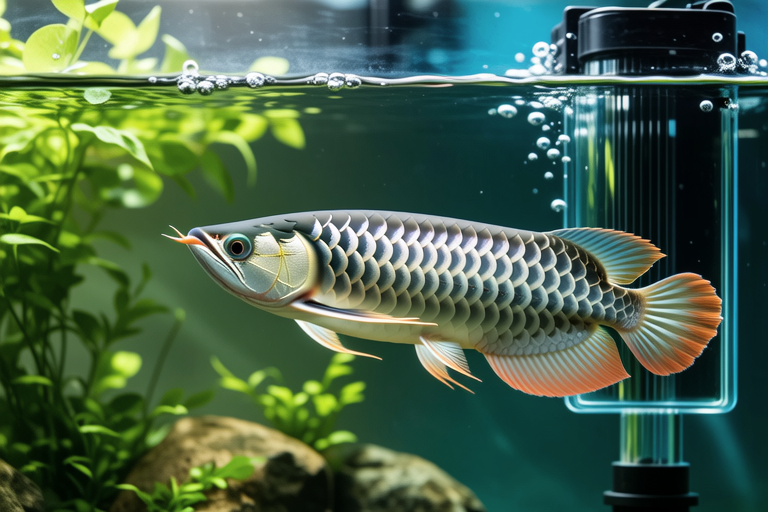
From Jungle to Tank: How to Care for Your Exotic Arowana Pet
Arowanas are some of the most exotic and captivating fish that can be found in aquariums today. These prehistoric-looking creatures, known for their long, sleek bodies and shiny scales, have been revered in many cultures for their beauty and mystique. Their natural habitats are primarily found in the tropical regions of South America, Africa, and parts of Asia. In this article, we will explore the unique characteristics of arowanas, their care requirements, and what it takes to keep these magnificent creatures healthy and thriving in your home.
The Exotic Appeal of Arowanas
Arowanas are often referred to as ‘Dragon Fish’ due to their striking appearance and behavior. They are highly sought after by aquarists who appreciate the challenge of caring for a species that is both beautiful and demanding. Their ability to leap out of the water to catch prey adds to their allure, making them a fascinating addition to any aquarium.
These fish are known for their intelligence and strong predatory instincts. They are active swimmers and can grow quite large, reaching lengths of up to three feet in some species. This makes them a perfect fit for larger aquarium setups, where they can swim freely and display their natural behaviors.
Natural Habitat and Adaptation
In the wild, arowanas inhabit slow-moving rivers, flooded forests, and swamps. They prefer environments with plenty of vegetation and hiding spots. The water in their natural habitat is typically warm and slightly acidic. Understanding these conditions is crucial for replicating a suitable environment in captivity.
Adapting to life in an aquarium requires careful planning and attention to detail. Arowanas are sensitive to changes in their environment, so it’s important to provide them with stable water parameters and ample space to thrive.
Tank Requirements
Size Matters
One of the most critical factors in keeping arowanas healthy is providing them with an appropriately sized tank. Due to their large size and active nature, arowanas require a minimum tank size of 150 gallons for a single fish. For multiple arowanas, the tank should be proportionally larger, ideally around 250 gallons or more. This ensures that they have enough space to swim and explore without feeling cramped.
Water Conditions
Water quality is paramount for the health of arowanas. They prefer water temperatures between 78°F and 84°F (25°C to 29°C). The pH level should be maintained between 6.0 and 7.5, and the hardness should be kept soft to moderate. Regular water testing is essential to monitor these parameters and ensure they remain within the recommended range.
Filtration Systems
Efficient filtration is crucial for maintaining water quality. Arowanas produce a significant amount of waste, so a high-quality external filter is necessary. The filter should be capable of handling the volume of water in the tank while also providing mechanical, biological, and chemical filtration. Additionally, regular water changes should be performed to remove accumulated toxins and maintain optimal water conditions.
Dietary Needs and Feeding Habits
Arowanas are carnivorous fish that require a diet rich in protein. In the wild, they feed on insects, small fish, and crustaceans. In captivity, they can be fed a variety of foods, including pellets, frozen or live fish, and feeder goldfish. It’s important to provide a balanced diet that includes a mix of these food types to ensure proper nutrition.
Feeding habits should be monitored carefully. Overfeeding can lead to obesity and poor water quality, while underfeeding can result in malnutrition. Arowanas should be fed once or twice daily, offering as much food as they can consume in about five minutes. It’s also beneficial to vary their diet regularly to stimulate their appetite and promote overall health.
Maintaining Water Quality
Water quality is one of the most important aspects of arowana care. Poor water quality can lead to stress, illness, and even death. Regular monitoring of water parameters, including temperature, pH, ammonia, nitrite, and nitrate levels, is essential. Proper filtration, regular water changes, and the use of water conditioners can help maintain a healthy aquatic environment.
Bi-weekly partial water changes of about 20% of the total tank volume are recommended to remove accumulated toxins and replenish beneficial minerals. Always use dechlorinated water when performing water changes to avoid harming the fish.
Common Health Issues and Prevention
Despite being hardy fish, arowanas can still suffer from various health issues if not cared for properly. Some common problems include bacterial infections, fungal growth, and parasitic infestations. These issues can often be prevented by maintaining good water quality and providing a nutritious diet.
Regular observation of your arowana’s behavior and physical appearance can help detect potential health issues early. If you notice signs of distress, such as lethargy, loss of appetite, or visible lesions, it’s important to consult a veterinarian specializing in exotic fish.
Handling and Interacting Safely
While arowanas are generally peaceful fish, they can be quite aggressive towards other fish, especially those of similar size. Therefore, it’s important to house them with compatible tank mates. Avoid keeping them with smaller fish that may become prey.
When handling arowanas, always use a net designed for large fish to minimize stress and injury. Be gentle and avoid placing your hands directly into the tank to prevent accidental injuries. Interacting with your arowana can be a rewarding experience, but it should be done cautiously and only when necessary.
The Commitment Required
Owning an arowana is a significant responsibility that requires a long-term commitment. These fish can live for several decades, and their care demands time, effort, and financial investment. Before bringing an arowana into your home, consider whether you are prepared for the ongoing maintenance and expenses associated with their care.
It’s important to research thoroughly and ensure that you have the necessary resources and knowledge to provide a suitable environment for your arowana. Owning such a specialized pet is not just about having a beautiful fish; it’s about ensuring their well-being and happiness for years to come.
