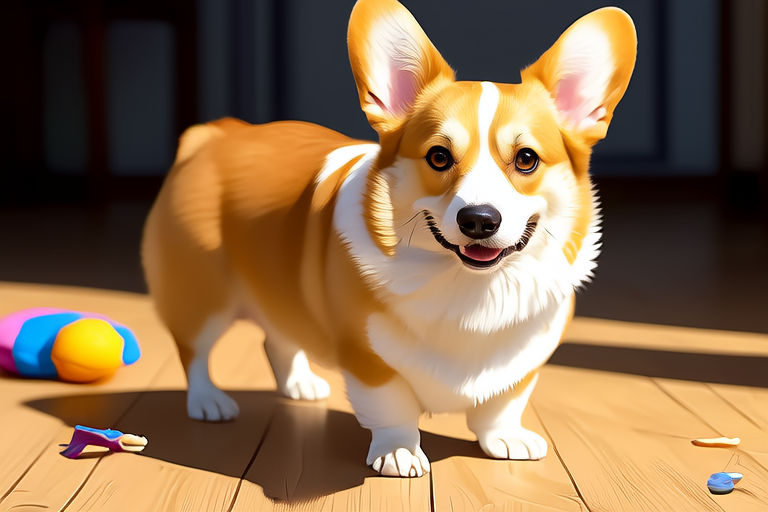
The Influence of Physical Attributes on Corgi Behavior
Welsh Corgis, with their unique blend of short legs and elongated bodies, have captured the hearts of many pet owners and enthusiasts alike. These small but sturdy dogs are known for their playful and often mischievous demeanor, which is intricately linked to their distinctive physical attributes. Understanding how their build shapes their behavior can greatly enhance your relationship with your Corgi, providing you with valuable insights into their needs, challenges, and joys.
The Short Legs and Long Bodies: A Unique Physique
Corgis possess a body that is both charming and functional. Their short legs, paired with their relatively long bodies, create a low center of gravity, making them exceptionally agile and nimble. This unique physique contributes significantly to their lively and energetic nature. The short legs, while appearing somewhat comical, are perfectly adapted for quick bursts of speed and sharp turns, essential for their herding heritage. Their elongated bodies provide a broader range of motion, allowing them to twist and turn with remarkable agility.
This combination of features also impacts their play style. Corgis are known for their love of games that involve chasing and retrieving, such as fetch. Their short legs don’t hinder their ability to move swiftly; instead, they make them adept at darting around corners and weaving through obstacles. This agility translates into an endless supply of energy that must be channeled properly to prevent behavioral issues. Providing ample opportunities for exercise and mental stimulation is crucial to keeping your Corgi happy and well-behaved.
Energetic Play Styles and Interaction with Environment
The physical structure of a Corgi influences not only their play styles but also their interactions with their environment. Their short legs and long bodies enable them to navigate through tight spaces and under furniture, making them adept at exploring every nook and cranny of their home. This trait can lead to behaviors that might seem mischievous, like digging under doors or hiding in unusual places.
Corgis are natural explorers, and their curiosity is often driven by their desire to investigate their surroundings. They will use their keen sense of smell and their nimble bodies to find hidden treasures or chase after small creatures. Owners may notice their Corgis trying to fit into small spaces or attempting to reach high shelves. This behavior is a testament to their adaptability and resourcefulness, but it can also present challenges in maintaining a tidy home.
To channel this energy and curiosity positively, it’s important to engage your Corgi in activities that challenge their minds and bodies. Puzzle toys, interactive games, and training sessions can provide the mental stimulation they need. Additionally, ensuring they have enough space to run and play outdoors will help satisfy their need for physical activity. Regular walks and playtime in safe environments will keep them physically healthy and mentally engaged.
Behavioral Implications and Training Challenges
The physical attributes of Corgis can influence their behavior in ways that may pose challenges during training and socialization. Their high energy levels and playful nature can sometimes translate into stubbornness or resistance to commands. Corgis are intelligent dogs, and their independent streak can make them less responsive to traditional training methods.
Understanding the connection between their physical attributes and behavior can help owners approach training more effectively. For instance, their agility and quick reflexes mean they can easily evade capture if they feel threatened or uncomfortable. Positive reinforcement techniques, such as rewarding desired behaviors with treats and praise, are highly effective with Corgis. This approach not only encourages good behavior but also strengthens the bond between owner and dog.
Socialization is equally important for Corgis, especially given their tendency to be protective of their territory. Early exposure to various people, animals, and environments can help mitigate potential aggression or shyness. Their herding instincts may manifest in attempts to herd children or other pets, so it’s crucial to redirect this behavior towards appropriate outlets, such as herding toys or obedience training.
Enhancing Care and Interaction with Corgis
By recognizing the impact of their physical attributes on behavior, owners can better meet the needs of their Corgis and foster a harmonious living environment. Providing a stimulating and enriching home life is key to preventing boredom-related behaviors, such as chewing or excessive barking. Interactive toys, training sessions, and regular exercise are all essential components of a well-rounded routine.
Owners should also be mindful of the potential health issues associated with their breed-specific traits. Corgis are prone to certain conditions, such as hip dysplasia and intervertebral disc disease, due to their unique build. Regular veterinary check-ups and maintaining a healthy weight are vital to ensuring their long-term well-being. Proper nutrition and exercise can help manage these risks and promote overall health.
In conclusion, the distinct physical attributes of Corgis, particularly their short legs and long bodies, play a significant role in shaping their playful and sometimes mischievous behavior. By understanding these connections, owners can better appreciate the unique qualities of their Corgis and provide them with the care and attention they deserve. Embracing their energy, intelligence, and curiosity will lead to a fulfilling and joyful companionship.
