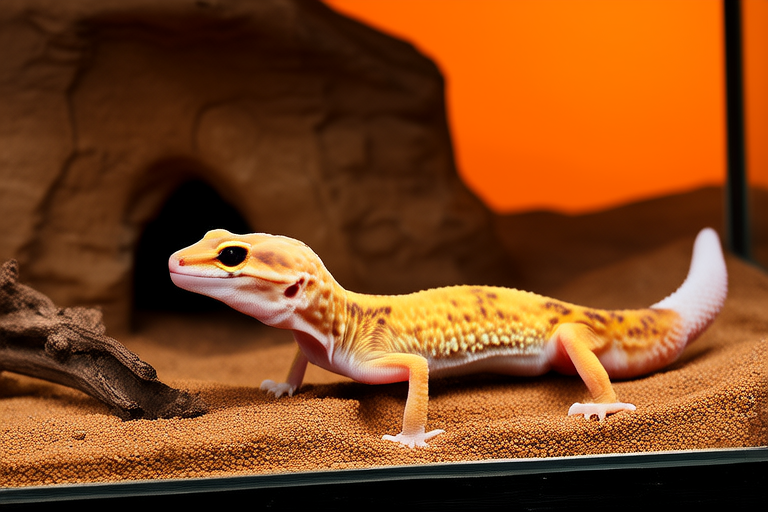
Transform Your Bearded Dragon’s Habitat: DIY Ideas for an Enriching Environment
Welcome to the world of bearded dragon ownership! Creating a well-designed habitat is crucial for the health and happiness of your scaly friend. A proper environment not only ensures their physical wellbeing but also contributes to their mental stimulation and overall quality of life. This guide will walk you through the essentials of designing a perfect habitat, complete with DIY instructions for each element. Let’s dive into how we can enrich your bearded dragon’s living space.
The Importance of a Well-Designed Habitat
A well-designed habitat is more than just a place for your bearded dragon to live; it’s a carefully crafted ecosystem that mimics their natural desert environment. Proper setup includes correct lighting, temperature gradients, hiding spots, and feeding areas. Each of these components plays a vital role in keeping your pet healthy and active. For instance, incorrect lighting can lead to metabolic bone disease, while inadequate temperatures might cause stress or even death. Thus, understanding and implementing these elements correctly is paramount.
Essential Habitat Elements
Lighting
Bearded dragons require UVB light to synthesize vitamin D3, which aids in calcium absorption. Without this, they risk developing metabolic bone disease. You’ll need a high-quality UVB bulb designed specifically for reptiles, ensuring it provides at least 10% UVB output. Position the light so that your dragon can bask under it for several hours daily. Remember to replace the bulb every six months as UVB intensity diminishes over time.
Temperature Gradients
Maintaining a basking spot around 95-100°F (35-38°C) and cooler areas between 75-85°F (24-29°C) is ideal. Use thermometers placed at different levels of the enclosure to monitor these temperatures accurately. Heat lamps or ceramic heat emitters work well for providing warmth, ensuring there’s no direct contact between your dragon and the heat source to prevent burns.
Hiding Spots
Providing multiple hiding spots allows your bearded dragon to feel secure and less stressed. These spots should vary in size and location throughout the tank, offering both privacy and comfort. They can be caves, tunnels, or simple cardboard boxes lined with soft bedding material.
Feeding Areas
A designated feeding area helps maintain cleanliness within the habitat. Place food dishes away from basking spots to avoid contamination from feces or shedding skin. Additionally, consider elevating the dish slightly off the ground to encourage better digestion.
DIY Instructions for Essential Habitat Elements
Creating a Basking Spot
- Materials: Heat lamp, reflector hood, thermometer.
- Steps:
- Choose a heat lamp with appropriate wattage based on the size of your enclosure.
- Install the reflector hood to focus heat directly onto one side of the tank.
- Place a thermometer near the basking area to ensure accurate temperature readings.
Building Hiding Spots
- Materials: Cardboard boxes, wooden logs, rocks.
- Steps:
- Cut holes in the sides of cardboard boxes for easy access.
- Arrange wooden logs or rocks to form cave-like structures.
- Line the inside with soft bedding material for added comfort.
Designing Feeding Areas
- Materials: Food dish, small platform.
- Steps:
- Select a shallow dish suitable for serving various foods.
- Elevate the dish using a small platform to keep it clean and accessible.
- Position the feeding area away from basking zones to minimize contamination risks.
Maintaining Hygiene and Safety
Regular cleaning is essential to prevent bacterial growth and keep your dragon healthy. Spot-clean daily by removing waste and uneaten food. Perform deep cleans weekly, washing all non-substrate items with reptile-safe disinfectants. Avoid using harsh chemicals that could harm your pet. Always handle your dragon gently during cleaning sessions to reduce stress.
Monitoring Your Bearded Dragon’s Behavior
Observe your bearded dragon regularly to ensure the habitat meets its needs. Healthy behaviors include regular basking, eating, and exploring. Signs of distress such as lethargy, loss of appetite, or unusual postures may indicate discomfort or illness. Adjust the habitat accordingly if any issues arise. Consult a veterinarian specializing in reptiles for professional advice if needed.
Conclusion
By following this guide, you’ve taken significant steps towards creating an enriching environment for your bearded dragon. Remember, the key lies in replicating their natural habitat as closely as possible. With careful planning and regular maintenance, you can provide your scaly companion with a safe, stimulating home that promotes longevity and happiness. Happy herping!
