Unveiling the Grace: Everything You Need to Know About Ragdolls
Ragdolls are one of the most beloved cat breeds worldwide, known for their gentle demeanor and striking appearance. Their name derives from their tendency to go limp when picked up, much like a rag doll. This article will guide you through everything you need to know about Ragdolls, from their physical characteristics and history to their care requirements and compatibility with different environments and family members.
The Fascinating History of Ragdolls
The Ragdoll breed was developed by Ann Baker, a breeder in Riverside, California, in the early 1960s. She selectively bred her cats to produce the desired traits, which include a docile nature, a semi-long coat, and a large size. The first official Ragdoll litter was born in 1965, and the breed quickly gained popularity due to its unique combination of beauty and temperament.
Physical Characteristics of Ragdolls
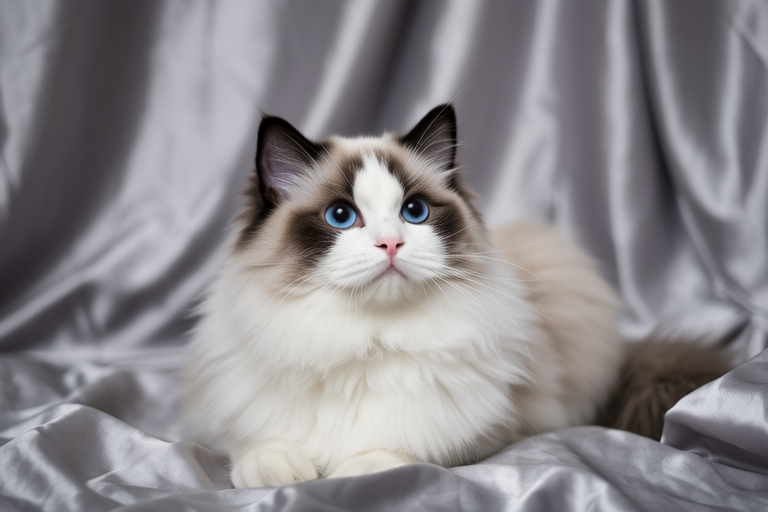
Ragdolls are medium to large-sized cats with a robust and muscular build. They have a broad chest and a long, well-proportioned body. Ragdolls come in several colors, including seal, chocolate, blue, and lilac, with points on the ears, face, paws, and tail. Their eyes are strikingly blue, adding to their overall charm. Ragdolls have a semi-long coat that requires regular grooming to prevent matting and tangles.
Temperament and Personality
One of the most endearing traits of Ragdolls is their laid-back and affectionate nature. They are often described as “dog-like” because they enjoy following their owners around the house and even learning simple commands. Ragdolls are incredibly patient and gentle, making them perfect companions for families with children. They tend to be less active than some other breeds, preferring to lounge and cuddle rather than engage in vigorous play.
Care Requirements
Diet
Ragdolls require a balanced diet to maintain their health and energy levels. High-quality cat food, rich in proteins and fats, is essential for their well-being. Consult with your veterinarian to determine the appropriate amount of food based on your cat’s age, weight, and activity level. Fresh water should always be available to keep your Ragdoll hydrated.
Exercise
Despite their relaxed demeanor, Ragdolls still need regular exercise to stay healthy and fit. Interactive toys, such as feather wands and laser pointers, can help stimulate their minds and bodies. Providing scratching posts and climbing structures can also encourage natural behaviors and physical activity. However, remember that Ragdolls may not be as energetic as other breeds, so moderate exercise is sufficient.
Grooming
Due to their semi-long coats, Ragdolls require regular grooming to keep their fur clean and free of mats. Brushing them at least twice a week will help remove loose hair and distribute skin oils. During shedding seasons, more frequent brushing may be necessary. Bathing is usually only required if your Ragdoll gets particularly dirty or has a medical condition. Regular nail trimming and ear cleaning are also important aspects of their grooming routine.
Health Considerations
Ragdolls are generally healthy cats, but they are prone to certain genetic conditions, such as hypertrophic cardiomyopathy (HCM), a heart disease. Regular veterinary check-ups are crucial to monitor their health and catch any issues early. Genetic testing can also help identify potential risks. Proper nutrition, exercise, and grooming contribute to their overall well-being.
Ideal Living Conditions
Ragdolls thrive in calm and peaceful environments. They are adaptable to various living spaces but prefer a quiet home without too many disturbances. They are indoor cats, as they are not very agile and can easily get lost or injured outside. Providing a safe, comfortable space with cozy beds, scratching posts, and toys will make your Ragdoll feel secure and happy.
Compatibility with Families, Children, and Other Pets
Ragdolls are excellent companions for families with children. Their gentle nature makes them tolerant of handling and roughhousing. They are also compatible with other pets, such as dogs and cats, as long as introductions are done gradually and under supervision. Early socialization can help ensure harmonious relationships between all household members.
Unique Behaviors and Traits
In addition to their tendency to go limp when picked up, Ragdolls exhibit other unique behaviors. They are known for their “follow-me” behavior, where they will follow their owner around the house, often lying down beside them. Ragdolls also enjoy being carried and held, which makes them great lap cats. They are intelligent and can learn tricks, such as sitting up or shaking hands, with positive reinforcement training.
Adopting a Ragdoll
If you’re considering adopting a Ragdoll, it’s important to research reputable breeders and shelters. Responsible breeding practices ensure the health and well-being of the kittens. Shelters and rescue organizations may also have Ragdolls available for adoption. When adopting, ask about the cat’s background, health status, and any special needs. Remember that adopting a pet is a lifelong commitment, so consider your lifestyle and ability to provide proper care.
Conclusion
Ragdolls are truly remarkable cats, combining grace, beauty, and affection into one package. Their gentle nature and unique behaviors make them cherished companions for many families. By understanding their care requirements and providing a loving environment, you can ensure a happy and healthy life for your Ragdoll. Embrace the joy and companionship that Ragdolls bring into your home and enjoy the journey of responsible pet ownership.
