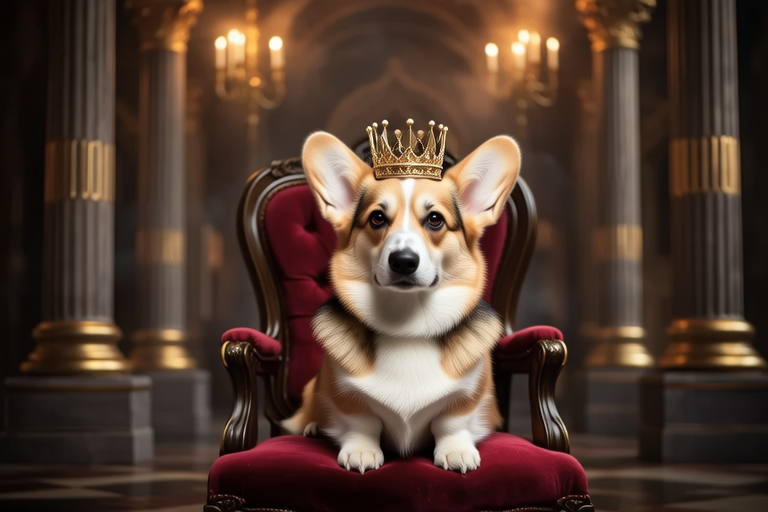
The Royal Corgi: From Peasant Dog to Regal Companion
The Pembroke Welsh Corgi, a breed known for its short stature and distinctive appearance, has long been associated with British royalty. This article explores the historical origins of Corgis within royal families, focusing on their transition from peasant dogs to beloved pets of royalty. It delves into the specific roles Corgis played in royal estates, their rise to prominence during Queen Elizabeth II’s reign, and how this legacy continues today. Additionally, it analyzes the characteristics that make Corgis ideal for royal companionship, linking these traits to their regal demeanor and unique gait. Anecdotes and lesser-known facts about famous royal Corgis are included to engage readers and provide insight into the breed’s enduring appeal within the royal family. Finally, the cultural impact of Corgis as symbols of heritage and loyalty is emphasized, reflecting the values they embody for their royal owners.
Origins and Early Roles
The Pembroke Welsh Corgi originated in Wales, where they were used by farmers and peasants to herd cattle and sheep. Their small size allowed them to maneuver easily between the animals’ legs, while their sharp instincts and vocal nature made them effective at controlling livestock. Despite their humble beginnings, Corgis were already valued for their intelligence and hardworking nature. In the late 19th century, the breed began to gain recognition among the upper classes, particularly in the United Kingdom. They were first shown at dog shows in the early 1920s, marking the beginning of their transition from working dogs to companions.
The exact moment when Corgis entered the royal fold is unclear, but they had become popular pets among the nobility by the early 20th century. King George VI, father of Queen Elizabeth II, was the first monarch to own Corgis. He received his first Corgi, Dookie, as a gift in 1933. This marked the beginning of the breed’s association with the British monarchy. However, it was Queen Elizabeth II who truly elevated the status of Corgis within the royal family.
Rise to Prominence During Queen Elizabeth II’s Reign
Queen Elizabeth II, who reigned for over seven decades, was an enthusiastic Corgi owner. She received her first Corgi, Susan, as a gift from her father, King George VI, in 1943. Over the years, she acquired many more Corgis, and they became a defining feature of her public image. The Queen’s love for the breed was well-documented, and she often appeared in photographs with her Corgis, which helped to solidify their place in royal culture.
Corgis played several roles within the royal estate. They were not just pets but also served as companions and protectors. Their loyalty and protective nature made them ideal for guarding the Queen’s privacy and security. Moreover, their playful and affectionate personalities made them excellent companions for the Queen, providing her with much-needed comfort and joy. The Corgis also participated in royal events and ceremonies, adding to their charm and popularity.
One lesser-known fact about Queen Elizabeth II’s Corgis is that she often named them after members of her staff. For instance, one of her Corgis was named after her private secretary, Martin Charteris. Another Corgi, Willow, was named after a member of her household staff. These names reflected the Queen’s deep connection with her Corgis and her appreciation for the people who worked alongside her.
Characteristics Ideal for Royal Companionship
The characteristics that make Corgis ideal for royal companionship include their loyalty, intelligence, and adaptability. Their loyalty is perhaps their most notable trait, and it is this quality that has endeared them to the royal family. Corgis are known for their strong bond with their owners, and they are fiercely protective of those they consider part of their pack. This makes them excellent companions for the Queen, who has relied on their loyalty throughout her reign.
Corgis are also highly intelligent dogs, which makes them easy to train and quick to learn new commands. Their intelligence is evident in their ability to herd livestock, but it also extends to their interactions with humans. They are adept at reading human emotions and responding appropriately, making them excellent companions for the Queen. Their adaptability is another important characteristic, allowing them to thrive in various environments, including the bustling atmosphere of Buckingham Palace.
The unique gait of Corgis, often referred to as “corgi shuffle,” is another trait that sets them apart. This gait is the result of their short legs and long bodies, which give them a distinctive rolling motion when they walk. While it may seem awkward to some, it is a source of pride for Corgi owners and adds to their charm. The Queen herself once remarked on the elegance of her Corgis’ gait, describing it as “graceful” despite its unusual appearance.
Cultural Impact and Enduring Appeal
The cultural impact of Corgis as symbols of heritage and loyalty cannot be overstated. They have become synonymous with the British monarchy, representing the values of tradition, loyalty, and devotion. The enduring appeal of Corgis lies in their ability to embody these values while remaining approachable and relatable. Their presence in royal households has helped to humanize the monarchy, making it more accessible to the public.
One anecdote that illustrates the enduring appeal of Corgis involves a visit by Queen Elizabeth II to the United States. During her visit, she brought two of her Corgis, Holly and Willow, with her. The dogs quickly became celebrities in their own right, charming Americans with their playful antics and endearing personalities. Their presence helped to soften the image of the British monarchy, making it more approachable and relatable to the American public.
The legacy of Corgis within the royal family continues today. Prince Charles, the current heir to the throne, has also owned Corgis, though he has chosen not to keep them after the death of his last Corgi, Willow. His son, Prince William, and his wife, Catherine, the Duke and Duchess of Cambridge, have expressed interest in acquiring Corgis, ensuring that the breed’s association with the royal family will continue for generations to come.
The cultural impact of Corgis extends beyond the royal family. They have become popular pets around the world, admired for their loyalty, intelligence, and unique appearance. Their enduring appeal lies in their ability to embody the values of tradition, loyalty, and devotion, making them ideal companions for the royal family and cherished pets for many others.
Conclusion
The Pembroke Welsh Corgi has come a long way from its origins as a working dog for Welsh farmers. Its transition from peasant dog to beloved pet of royalty is a testament to its loyalty, intelligence, and adaptability. The breed’s rise to prominence during Queen Elizabeth II’s reign has solidified its place within the royal family, and its enduring appeal ensures that it will continue to be a cherished companion for future generations. The cultural impact of Corgis as symbols of heritage and loyalty cannot be overstated, and their unique gait and regal demeanor add to their charm and appeal. Whether serving as companions, protectors, or simply sources of joy, Corgis have earned their place in the hearts of the royal family and the public alike.
